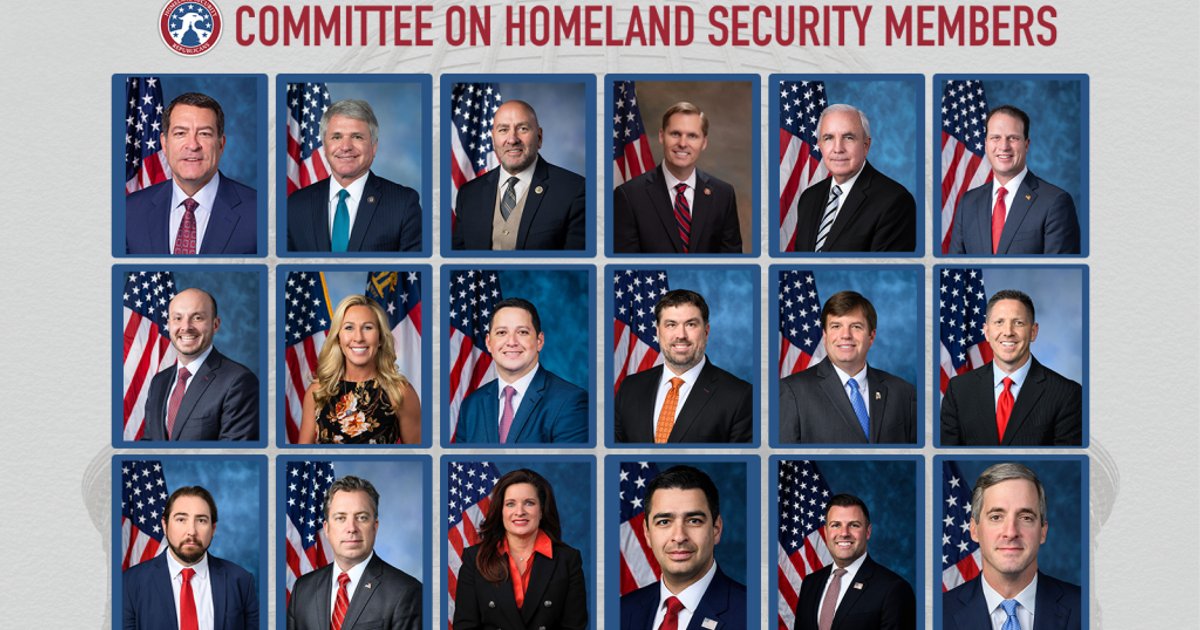
The collapse of the homeland security deal has exacerbated divisions among Republican leaders in the U.S. Congress, impacting the party's ability to achieve legislative goals. This situation arises at a critical time as Republicans seek to unify before the upcoming elections.
In recent days, negotiations regarding funding for the U.S. Department of Homeland Security have encountered significant complications, with Republican leaders disagreeing on how to address immigration and security issues. This division has led to a failure to reach an agreement, threatening government stability and increasing pressure on the Republican Party.
Details of the Event
Disagreements have resurfaced among Republican leaders on how to tackle security and immigration issues, with opinions divided between those advocating for stricter security measures and those favoring a more flexible approach. Some lawmakers have indicated that these divisions reflect an inability to make decisive decisions at a time when the security situation demands an effective response.
There are also concerns that this division could have dire consequences for the Republican Party's ability to achieve its legislative goals, especially with the midterm elections approaching. Some lawmakers have expressed worry that these divisions may lead to a loss of trust in the party among voters.
Background & Context
Historically, issues of homeland security and immigration have been sensitive topics in American politics, with opinions varying between parties on how to address them. Recent years have seen a rise in tensions surrounding these issues, particularly following an increase in the number of undocumented immigrants and growing concerns over security threats.
In past years, the Republican Party has attempted to focus on security issues as part of its electoral strategy, but internal divisions may hinder these efforts. Recently, there has also been an increase in pressure from certain groups within the party demanding stricter actions.
Impact & Consequences
The implications of the collapse of the homeland security deal extend beyond Congress, potentially affecting public policy and voter trends in the upcoming elections. If divisions persist, this could lead to the Republican Party losing its chances of achieving a majority in Congress, which would impact its ability to implement its political agenda.
Moreover, instability in domestic politics could negatively reflect on the United States' image on the international stage, where the country is viewed as a major supporter of security and stability worldwide. Thus, the current divisions could lead to far-reaching consequences on an international level.
Regional Significance
In light of these developments, divisions within the Republican Party may have direct effects on U.S. foreign policy towards the Arab region. Security and immigration issues are sensitive topics that affect relations between the United States and Arab countries. If these divisions continue, it could lead to instability in U.S. policy regarding Arab issues, negatively impacting security and economic cooperation between both sides.
In conclusion, the collapse of the homeland security deal signifies the challenges faced by the Republican Party in unifying its ranks and indicates the need to reassess its strategies before the upcoming elections. These divisions may also affect U.S. policy in general, necessitating lawmakers to work towards finding effective solutions.