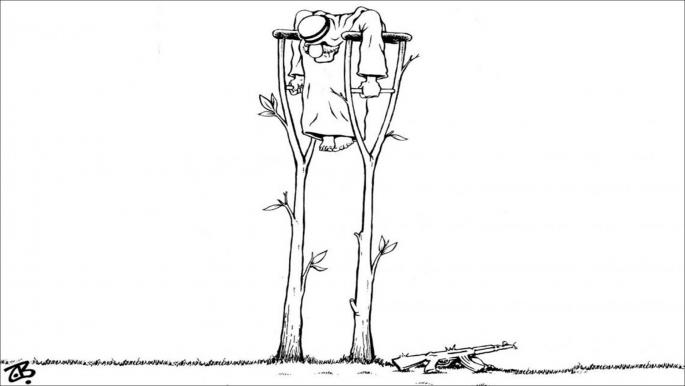
The traditional world is witnessing a significant collapse as its old values fade away without the establishment of modern societies that can meet contemporary needs. This situation necessitates a reevaluation of the values and principles that could form the foundation for a better future.
Manifestations of this collapse are evident in many communities that have suffered from a decline in traditional values, leading to a loss of cultural and social identity. As global challenges increase, we find that societies have not evolved sufficiently to keep pace with these changes.
Details of the Event
The effects of the collapse of traditional values are reflected in various aspects of daily life, from family structures to educational institutions. Values that were once considered fundamental, such as respect and cooperation, are fading under the pressures of globalization and modern technology. These transformations directly impact social relationships and lead to the disintegration of family bonds.
Moreover, the absence of advanced modern societies exacerbates this crisis. Instead of building communities capable of providing positive alternatives, many societies remain trapped in the constraints of the past, hindering their development.
Background & Context
Historically, traditional values represented the backbone of many societies, reinforcing identity and belonging. However, the social and economic changes experienced worldwide in recent decades have led to a reevaluation of these values. Globalization, for instance, has contributed to the spread of new cultures, but at the same time, it has led to the erosion of traditional values.
This phenomenon is part of a broader process related to changes in cultural identity, as individuals strive to adapt to the demands of modern times. However, this adaptation does not always yield positive results; it may lead to a loss of original cultural identity.
Impact & Consequences
The consequences of the collapse of traditional values are manifold, affecting individuals and communities at large. The loss of cultural identity can lead to the proliferation of negative phenomena such as violence and extremism, as individuals seek to find meaning in unhealthy contexts.
Additionally, the absence of advanced modern societies contributes to the exacerbation of social and economic crises, increasing poverty and unemployment rates. These crises, in turn, affect political stability, making it difficult to achieve sustainable development.
Regional Significance
In the Arab region, the effects of the collapse of traditional values are clearly evident, as many countries face multiple challenges. Political and economic crises have led to the disintegration of communities, affecting social and cultural ties.
The region needs to rebuild its cultural identity by promoting positive values that can contribute to the formation of modern societies capable of facing challenges. This requires collective efforts from governments and civil societies to enhance education and culture.
In conclusion, the collapse of traditional values without the establishment of modern societies represents a significant challenge that requires deep reflection and reevaluation. We must all work to promote values that can contribute to building a better future.