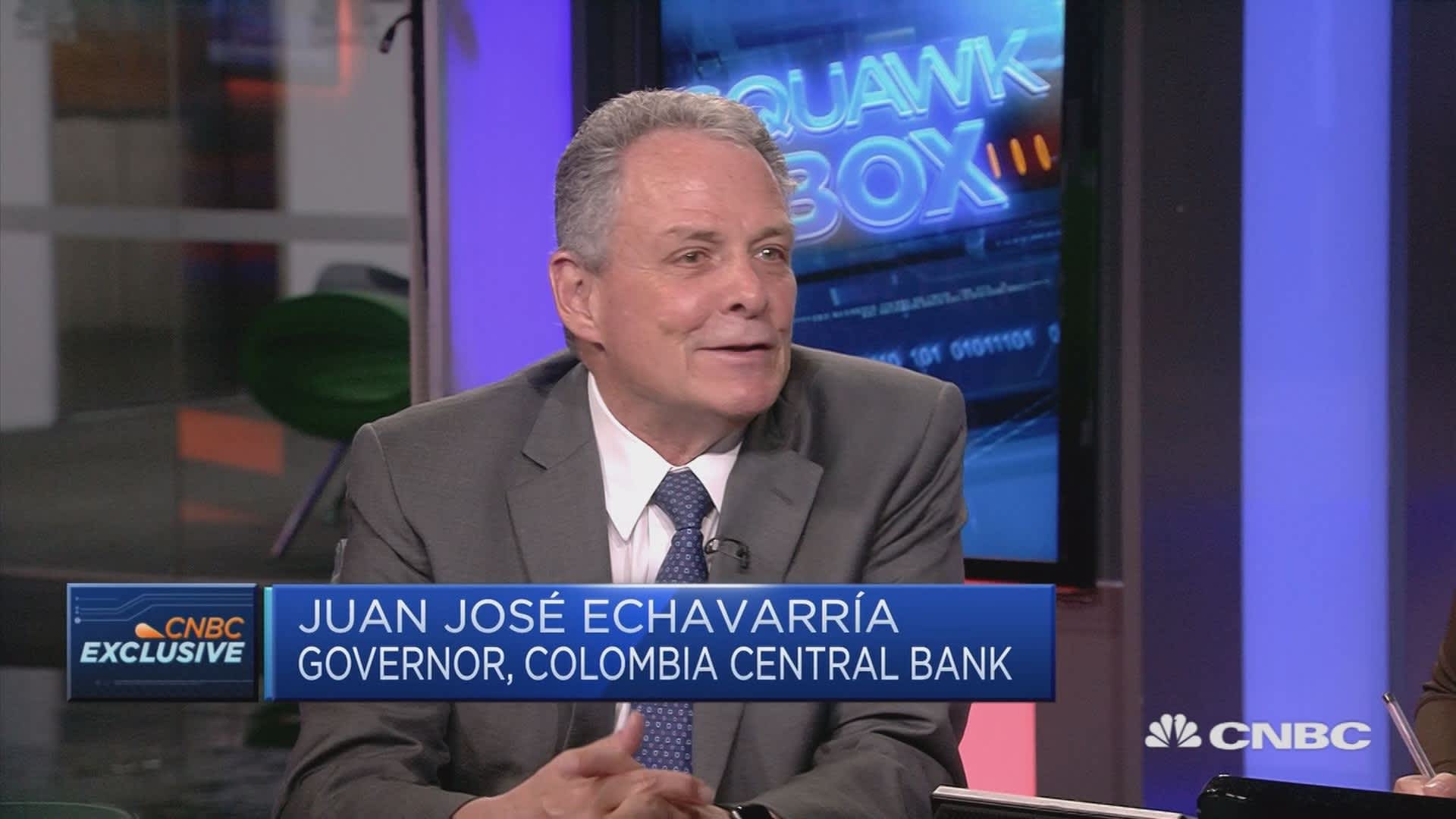
The withdrawal of the Colombian Finance Minister from the recent Central Bank meeting has raised serious questions about policymakers' ability to manage monetary policy in the country. The minister, who left the meeting in protest against the decision to raise interest rates, has cast doubt on the future of upcoming Central Bank meetings, with another scheduled in less than a month.
This withdrawal comes at a sensitive time for the Colombian economy, which is facing multiple challenges, including rising inflation and global economic pressures. The decision to raise interest rates was made by the Central Bank Board as a step to address these challenges; however, the minister believes this move could have negative repercussions on economic growth.
Details of the Event
In the last meeting, the Colombian Central Bank Board decided to raise interest rates by 25 basis points, bringing the rate to 5.25%. This decision came at a time when inflation is increasing, having reached 9.2% last month, the highest level in several years. However, the Finance Minister considered that this increase could exacerbate economic conditions rather than improve them, prompting his withdrawal from the meeting.
The withdrawal was not merely a fleeting protest; it indicated divisions within the government regarding how to handle monetary policy. This has raised concerns among investors and economic observers, who fear that these divisions could lead to instability in the country's economic policy.
Background & Context
Historically, Colombia has experienced significant economic fluctuations, directly affected by global economic crises. In recent years, the country has faced numerous challenges, including falling oil prices, which are a major source of revenue. Additionally, political and social crises have also impacted economic stability.
In 2021, Colombia witnessed widespread protests against the government, leading to changes in economic policy. The new government, led by President Gustavo Petro, has attempted to improve the economic situation through comprehensive reforms, but challenges remain.
Impact & Consequences
This withdrawal could have significant implications for monetary policy in Colombia. As the next meeting approaches, the lack of consensus among policymakers may delay important decision-making, potentially worsening economic conditions. Investors may also hesitate to make new investment decisions amid this uncertainty.
Furthermore, the increase in interest rates could affect citizens' purchasing power, leading to a decline in domestic consumption. This, in turn, could impact economic growth, making it essential for the government to find a balance between controlling inflation and stimulating growth.
Regional Significance
Colombia is considered one of the countries monitored by global markets, as any changes in its monetary policy could affect other emerging markets. For Arab countries, the economic situation in Colombia may reflect similar challenges faced by some Arab nations, especially those reliant on oil exports and natural resources.
Additionally, Arab investments in Colombia may be affected by these developments, prompting Arab investors to closely monitor the economic situation in Colombia.
In conclusion, the withdrawal of the Colombian Finance Minister from the recent meeting reflects a state of uncertainty in monetary policy, raising concerns among investors and observers. As the next meeting approaches, it remains to be seen how these developments will impact the Colombian economy and global markets.