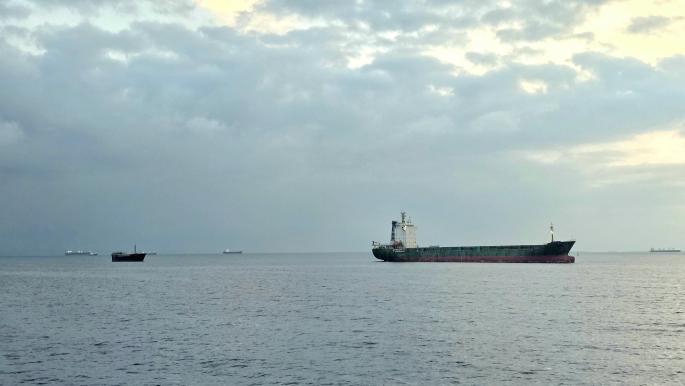
Commercial shipping in the Strait of Hormuz has sharply slowed down, with the number of vessels crossing at extremely limited levels today, raising concerns about the implications for global trade.
The Strait of Hormuz is one of the most important waterways in the world, through which approximately 20% of total global oil trade passes. This slowdown in shipping activity could significantly impact oil prices and global markets.
Details of the Event
Reports indicate that the number of vessels that crossed the strait today has decreased markedly compared to previous days. Some experts attribute this decline to the tense geopolitical conditions in the region, which may affect maritime trade.
Additionally, reports have noted an increase in the number of ships waiting in the territorial waters of the strait, adding to the challenges facing shipping operations. These conditions may lead to increased shipping costs, negatively impacting global commodity prices.
Background & Context
The Strait of Hormuz has long been a point of tension in international relations, having witnessed numerous maritime incidents in recent years. Military escalation among competing nations in the region, along with economic sanctions, has contributed to heightened risks associated with navigation in this vital corridor.
In recent years, shipping activity in the strait has experienced significant fluctuations, directly influenced by political events such as armed conflicts and security threats, complicating the trade situation further.
Impact & Consequences
The current slowdown in shipping activity may lead to rising oil prices, as many countries rely on oil supplies from the Arabian Gulf. If this slowdown continues, we may witness negative effects on the global economy, especially amid current economic crises.
Moreover, delays in shipments of essential goods could impact local markets, increasing inflationary pressures. Companies that depend on supplies from the region may face challenges in meeting demand, potentially leading to shortages of certain products.
Regional Significance
Arab oil-producing countries are the most affected by fluctuations in shipping activity in the Strait of Hormuz. Any decline in shipping could impact the revenues of these countries, adversely affecting their economic development plans.
Furthermore, regional tensions may lead to increased political divisions, complicating efforts for regional cooperation. Arab nations need to enhance their security strategies to ensure the safety of navigation in this vital area.
In conclusion, the Strait of Hormuz remains at the heart of global events, requiring a swift response from the concerned nations to ensure the stability of shipping and avoid any negative impacts on the global economy.