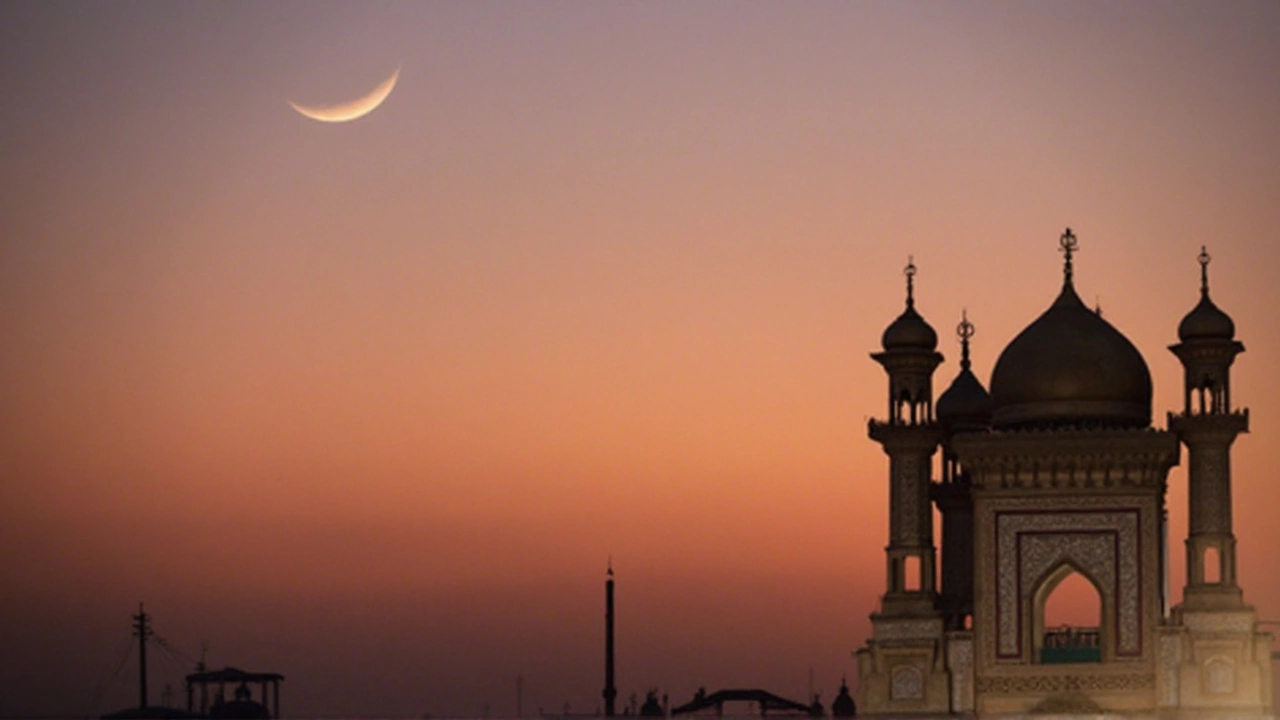
The committee responsible for sighting the crescent of Shawwal 1447 will hold a meeting tomorrow evening, where the date for Eid al-Fitr is expected to be announced following the sighting of the crescent. This meeting is part of the traditions followed in Islamic countries to determine the beginning of the lunar month.
The committee consists of several scholars and specialists in astronomy, who will monitor the crescent in various regions. This meeting is one of the significant events awaited by Muslims worldwide, as it marks the beginning of the month of Shawwal and the celebration of Eid al-Fitr.
Event Details
The committee will convene at several designated locations to observe the crescent, utilizing modern techniques and astronomical tools to ensure accurate sighting. It is noteworthy that the visibility of the crescent depends on weather conditions, so the committee will consider all influencing factors.
After the meeting concludes, the results will be announced through official media, allowing Muslims around the world to know the date of Eid al-Fitr. This tradition reflects the importance of unity among Muslims in celebrating holidays.
Background & Context
Historically, the sighting of the crescent relied on visual observation, but with advancements in technology, there are now more accurate methods to determine the beginning of lunar months. In recent years, some countries have begun using astronomical calculations to determine holiday dates, sparking discussions about the best ways to achieve consensus among Islamic nations.
The sighting of the crescent is part of the cultural and religious identity of Muslims, as everyone eagerly anticipates this event. Additionally, determining the date of Eid al-Fitr signifies the end of the blessed month of Ramadan, which is considered a month of drawing closer to God through fasting and worship.
Impact & Consequences
The results of the crescent sighting have significant social and economic implications. The date of Eid al-Fitr marks the beginning of family celebrations and gatherings, contributing to strengthening social ties among Muslims. This date also has a substantial impact on markets, as demand for holiday-related goods and products increases.
Moreover, accurately determining the date of Eid helps alleviate confusion that may arise among Muslims, especially in countries that rely on crescent sighting. This aspect enhances unity among Islamic communities and reduces disputes over holiday dates.
Regional Significance
Arab countries are among the regions that closely monitor the crescent sighting, with diverse traditions and practices across nations. In some countries, Eid al-Fitr is celebrated in a traditional manner, while in others, special events and festivals are organized.
This meeting also reflects the importance of cooperation among Arab countries in religious matters, as everyone strives to achieve consensus on dates. Celebrating Eid al-Fitr is considered an opportunity to strengthen ties between Arab nations and peoples.
In conclusion, the meeting of the committee to determine the crescent of Shawwal 1447 represents an important event awaited by Muslims worldwide, as everyone looks forward to the announcement of the date for Eid al-Fitr.