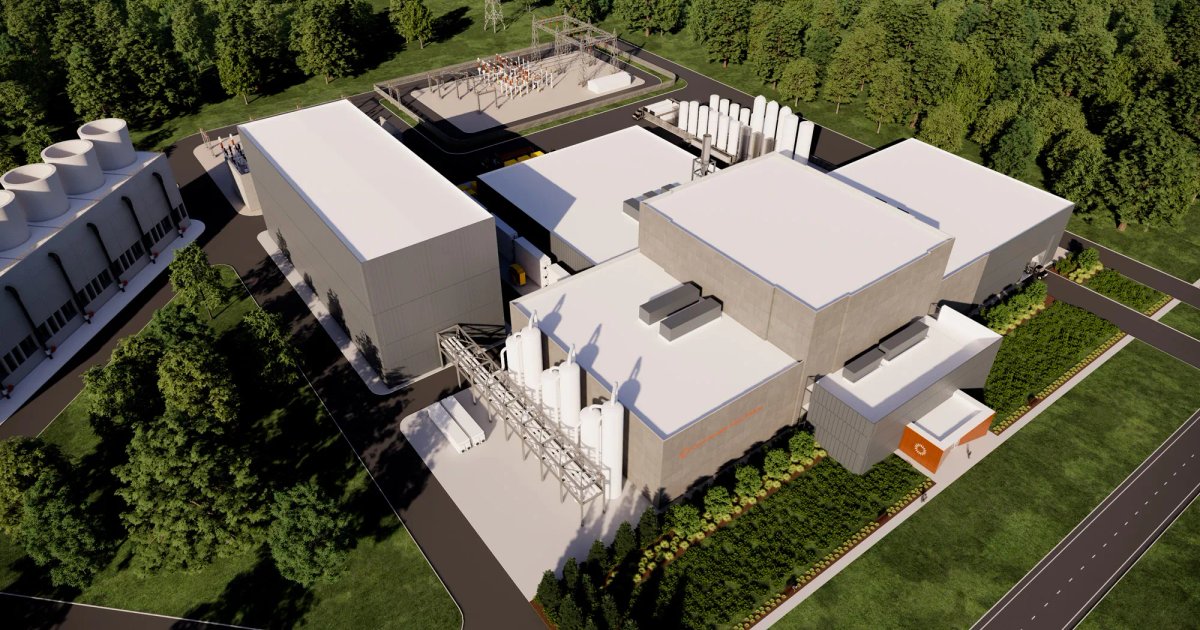
Commonwealth Virginia, a private American company aiming to build the first fusion energy power plant, has announced that it is the first company in this field to apply for membership in the major U.S. power grid known as PJM. This announcement comes at a time when the United States is experiencing an increase in energy demand, reflecting the significance of this step in achieving sustainable energy goals.
The company plans to open the plant in Virginia by the early 2030s, with the approval process expected to take around four to six years. This project is a crucial step towards achieving clean energy, as it relies on a process similar to that which occurs in the sun.
Details of the Project
Commonwealth aims to build a power plant with a capacity of 400 megawatts, with construction expected to start in 2027 or possibly later this year. This plant will be half the size of a traditional nuclear power plant that relies on nuclear fission, showcasing innovation in the energy sector.
It is noteworthy that Commonwealth has raised investments exceeding $3 billion, placing it at the forefront of investments in this sector. Meanwhile, the PJM network is addressing a large number of projects that require evaluation, indicating the challenges the company may face in the future.
Background & Context
Historically, fusion energy has been a topic of great interest in scientific circles, representing hope for a clean and sustainable energy source. However, scientists have yet to achieve this goal commercially. Commonwealth's progress in this field could change the game in the energy industry, especially in light of the global shift towards reducing reliance on fossil fuels.
This step comes at a time when energy demand in the United States is increasing, with the sector experiencing notable growth due to the rising use of data centers linked to artificial intelligence, along with the shift towards electric transportation and digital currencies. These factors enhance the need for new and sustainable energy sources.
Impact & Consequences
If Commonwealth succeeds in achieving its goals, it could open the doors for new investments in fusion energy, potentially leading to radical changes in how energy is produced and consumed. Success in this project may also encourage other companies to explore this field, fostering innovation and technological advancement.
On the other hand, these developments could lead to a reduction in reliance on traditional energy sources, contributing to lower carbon emissions and achieving environmental sustainability goals. Achieving these objectives would have a significant impact on environmental and economic policies in the United States and around the world.
Regional Significance
In light of the global shift towards clean energy, Arab countries could benefit from successful experiences in fusion energy. The region is rich in natural resources but faces significant challenges in achieving environmental sustainability. Commonwealth's success could serve as a model for Arab nations seeking to develop alternative energy sources.
Furthermore, these developments could open new avenues for cooperation between Arab countries and the United States in the energy sector, enhancing economic and trade relations between the two sides.