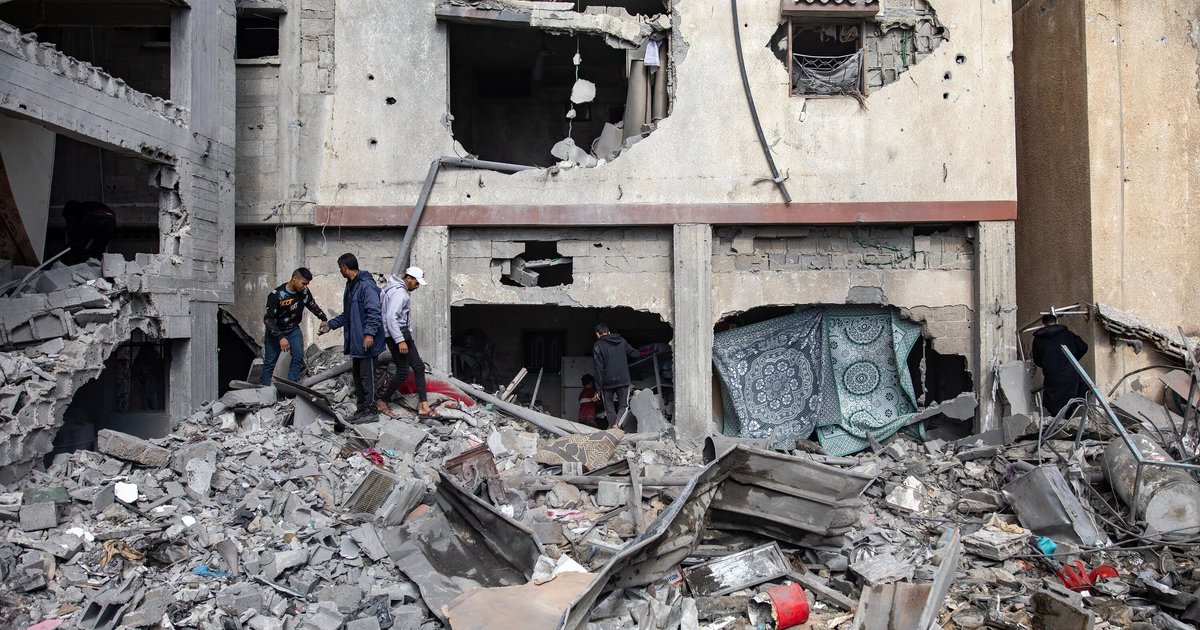
The communication crisis in Gaza continues for the fifth consecutive day, obstructing efforts to recover the deceased and injured. Amid the challenging conditions in the region, the need for effective communication between medical and humanitarian teams is increasing, yet the ongoing communication disruption complicates these efforts.
Reports indicate that the communication breakdown has significantly impacted the medical teams' ability to coordinate with each other, resulting in delays in rescue and relief operations. While volunteers and medical teams strive to reach affected areas, the absence of effective communication means exacerbates the humanitarian situation.
Details of the Incident
Since the escalation in Gaza began, the region has witnessed a significant deterioration in infrastructure, including communication networks. This disruption has made it difficult to access critical information regarding the locations of the deceased and injured, increasing the suffering of affected families.
Humanitarian organizations and local authorities continue to appeal for alternative communication means, as the situation requires a swift and effective response. Residents of Gaza are suffering from a severe shortage of medical and food resources, further complicating the humanitarian crisis.
Background & Context
Gaza, which has been under a continuous blockade for years, faces significant challenges in providing basic services. These challenges have worsened with the escalation of conflict, leading to the destruction of many vital facilities. In this context, the communication disruption becomes an additional barrier to relief efforts.
Historically, Gaza has experienced numerous humanitarian crises due to recurring conflicts, with infrastructure suffering considerable damage. With each escalation, humanitarian suffering renews, and the need for international and local support increases.
Impact & Consequences
The communication disruption exacerbates humanitarian conditions, making it difficult for medical teams to reach the injured and provide necessary care. This situation also hinders relief efforts and increases the suffering of civilians, who rely on humanitarian aid to survive.
Concerns are growing over the potential outbreak of diseases due to a lack of healthcare, which could lead to a larger health crisis in the region. Additionally, the communication breakdown may affect humanitarian organizations' ability to deliver necessary assistance, further complicating the situation.
Regional Significance
The Gaza crisis exemplifies the humanitarian challenges faced by many Arab countries amid ongoing conflicts. The continuation of the situation in Gaza may impact regional stability, as humanitarian crises often lead to political and social repercussions.
These crises require an immediate response from the international community, as ignoring them may exacerbate conditions and increase suffering. Supporting Gaza during these critical times is a collective responsibility that requires the concerted efforts of all parties.
In conclusion, the situation in Gaza remains in urgent need of support and assistance, as the communication disruption hinders relief efforts and increases civilian suffering. An urgent response is necessary to meet the needs of the affected population.