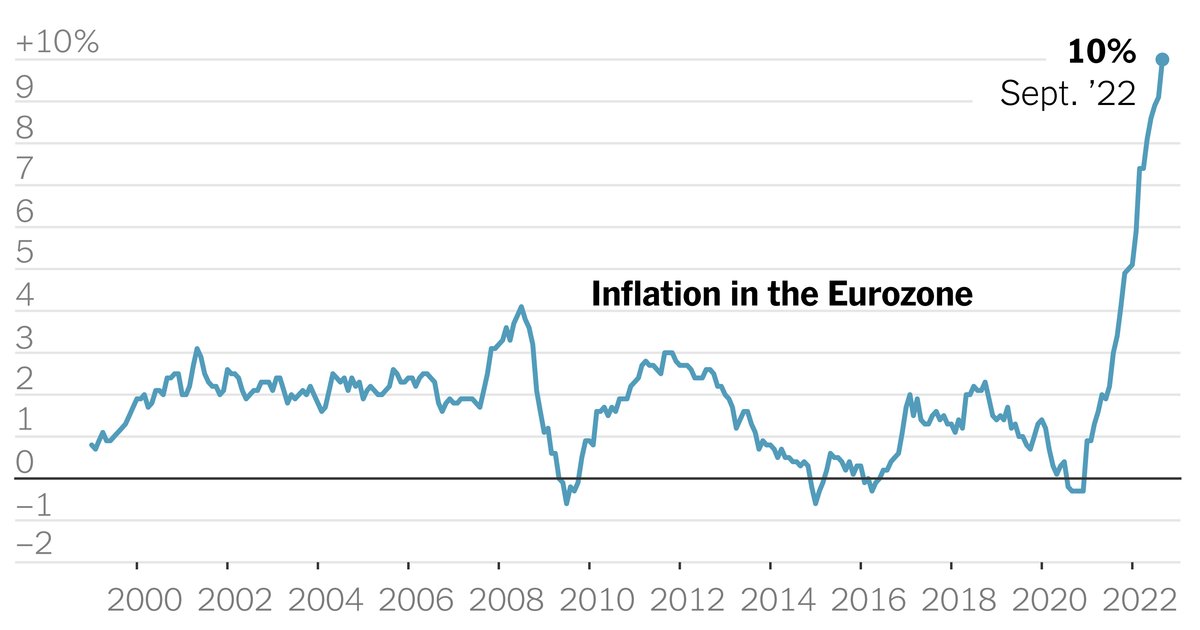
Companies in the Eurozone anticipate a substantial increase in selling prices and input costs as a result of the ongoing conflict in Iran. This trend emerges at a sensitive time for the European economy, where the European Central Bank is striving to control rising inflation. Reports indicate that businesses expect a hike in costs, which will directly impact the final prices of products and services.
According to a survey conducted by a group of financial institutions, companies reported that the conflict in Iran has exacerbated economic conditions, negatively affecting their ability to manage costs. Many analysts predict that this price increase will exert additional pressure on the European Central Bank, which is working diligently to achieve price stability.
Details of the Situation
Data shows that companies across various sectors, including industry and services, are expecting a rise in raw material and transportation costs. This reflects the negative impacts that geopolitical conflicts can have, as production costs rise amid instability. Additionally, companies anticipate that this will be reflected in the prices of final products, further heightening inflation fears.
The European Central Bank, which is closely monitoring these developments, may be compelled to take further action to address these challenges. Currently, the bank is trying to strike a balance between supporting economic growth and combating inflation, a task that may become increasingly complex under the current circumstances.
Background & Context
Historically, the Eurozone has faced multiple economic crises, but the current situation is distinct due to the effects of the conflict in Iran. This war is not merely a regional dispute; it has global repercussions that affect energy and commodity markets. In recent years, oil and gas prices have experienced significant fluctuations, impacting the European economy, which heavily relies on these resources.
Moreover, geopolitical tensions in the region could exacerbate economic crises, putting additional pressure on governments and businesses. In this context, European policymakers must consider new strategies to address these challenges effectively.
Impact & Consequences
The anticipated rise in prices may lead to a decline in consumers' purchasing power, adversely affecting economic activity. If companies continue to raise prices, this could result in decreased demand, which would reflect negatively on overall economic growth. Additionally, rising costs may lead to reduced investments, potentially impacting the future of the European economy.
On the other hand, the European Central Bank may be forced to raise interest rates to combat rising inflation, which could increase borrowing costs and affect growth. This trend may lead to a decline in market investments, further complicating the economic situation.
Regional Significance
The expected price increases are indicative of the economic pressures facing the Eurozone, warranting special attention from policymakers. The interplay between geopolitical conflicts and economic stability is critical, as it shapes the future trajectory of the region's economy.
In conclusion, the situation requires a proactive approach from decision-makers to mitigate the potential adverse effects on consumers and the broader economy.