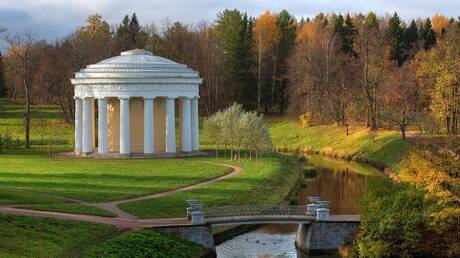
The Pavlovsk Museum has announced the completion of restoration work on the historic 'Friendship Temple,' a significant architectural masterpiece by Charles Cameron. This restoration is part of the preparations for the 250th anniversary celebration of the complex, which is listed as a UNESCO World Heritage site.
The 'Friendship Temple' is considered one of the important cultural landmarks in Russia, reflecting a rich history and unique architecture. Designed in the 18th century, it showcases the classical architectural style that prevailed during that period. It has been included in the UNESCO World Heritage list due to its historical and cultural value.
Event Details
The restoration work involved a comprehensive rehabilitation of the pavilion, utilizing modern techniques to preserve the temple's original character. The efforts included restoring both the interior and exterior surfaces, enhancing lighting, and updating security systems. The project aims to provide visitors with a unique experience that reflects the aesthetics of classical architecture.
This restoration is expected to attract more tourists to Pavlovsk, as the temple is a major attraction in the area. The 250th anniversary celebration will include a series of cultural and artistic events aimed at raising awareness of the importance of cultural heritage.
Background & Context
The Pavlovsk complex was established in 1777 and is considered one of the most prominent tourist attractions in Russia. It was designed by the renowned architect Charles Cameron, who played a significant role in the development of classical architecture in Russia. The complex reflects the influences of European culture during that time and serves as a symbol of cultural exchange between Russia and Western countries.
Over the years, the complex has faced numerous challenges, including wars and political changes. However, the ongoing efforts to preserve this heritage reflect Russia's commitment to maintaining its cultural identity. The 'Friendship Temple' is an integral part of this effort, representing a symbol of friendship and cooperation among peoples.
Impact & Consequences
The restoration of the 'Friendship Temple' is an important step towards enhancing cultural tourism in Russia. By improving the site's infrastructure, it can contribute to an increase in visitor numbers, benefiting the local economy. Additionally, the events associated with the 250th anniversary will enhance Pavlovsk's status as a major tourist destination.
Furthermore, this restoration reflects Russia's commitment to preserving its cultural heritage, which can serve as a model for other countries facing similar challenges in maintaining their historical sites. Raising awareness of the importance of cultural heritage can contribute to strengthening national identity and fostering cultural pride among citizens.
Regional Significance
Although this event pertains to Russia, it has broader implications regarding global cultural heritage. Arab countries are also rich in cultural and historical heritage, making it essential to enhance efforts to preserve this heritage. Russian experiences in restoring historical landmarks can serve as a model for Arab nations seeking to maintain their historical sites.
Enhancing cultural cooperation among nations can contribute to mutual understanding and strengthen relationships between peoples. By leveraging global experiences in heritage preservation, Arab countries can enhance their cultural standing on the international stage.