Attention is focused on three main paths that are redrawing the map of the Middle East, including US-Iran negotiations, developments in Lebanon, and unprecedented integration between the US and Israel.
During an episode of the program "From Washington," experts and political analysts reviewed these paths, highlighting the complexities that make achieving any 'victory' from this phase extremely difficult for all parties involved.
Details of the Event
Regarding the Iranian strategy, researcher Trita Parsi, an expert in US-Iranian relations, believes that Tehran thinks time is on its side, having succeeded in inflicting a "strategic defeat" on the US and Israel, as these countries have not achieved their declared objectives in the war.
However, Parsi warned that Iran might overextend its leverage, especially after escalating its responses to US strikes in the Gulf, reflecting its desire to demonstrate its ability to control the escalation threshold. He also noted that negotiations have not ceased, keeping the door open for dialogue despite all developments.
Context and Background
In this context, political analyst Amanda Maki believes that President Donald Trump is exerting economic pressure as a bargaining chip, as the sanctions imposed on Iran give him an advantage in extracting further concessions.
However, she points out that the electoral considerations for the upcoming November elections are pushing Trump to prefer the "form of exit" over its substance, meaning he is looking for an agreement that can be presented as an achievement rather than seeking substantive points for which the Iranians might concede.
Implications and Effects
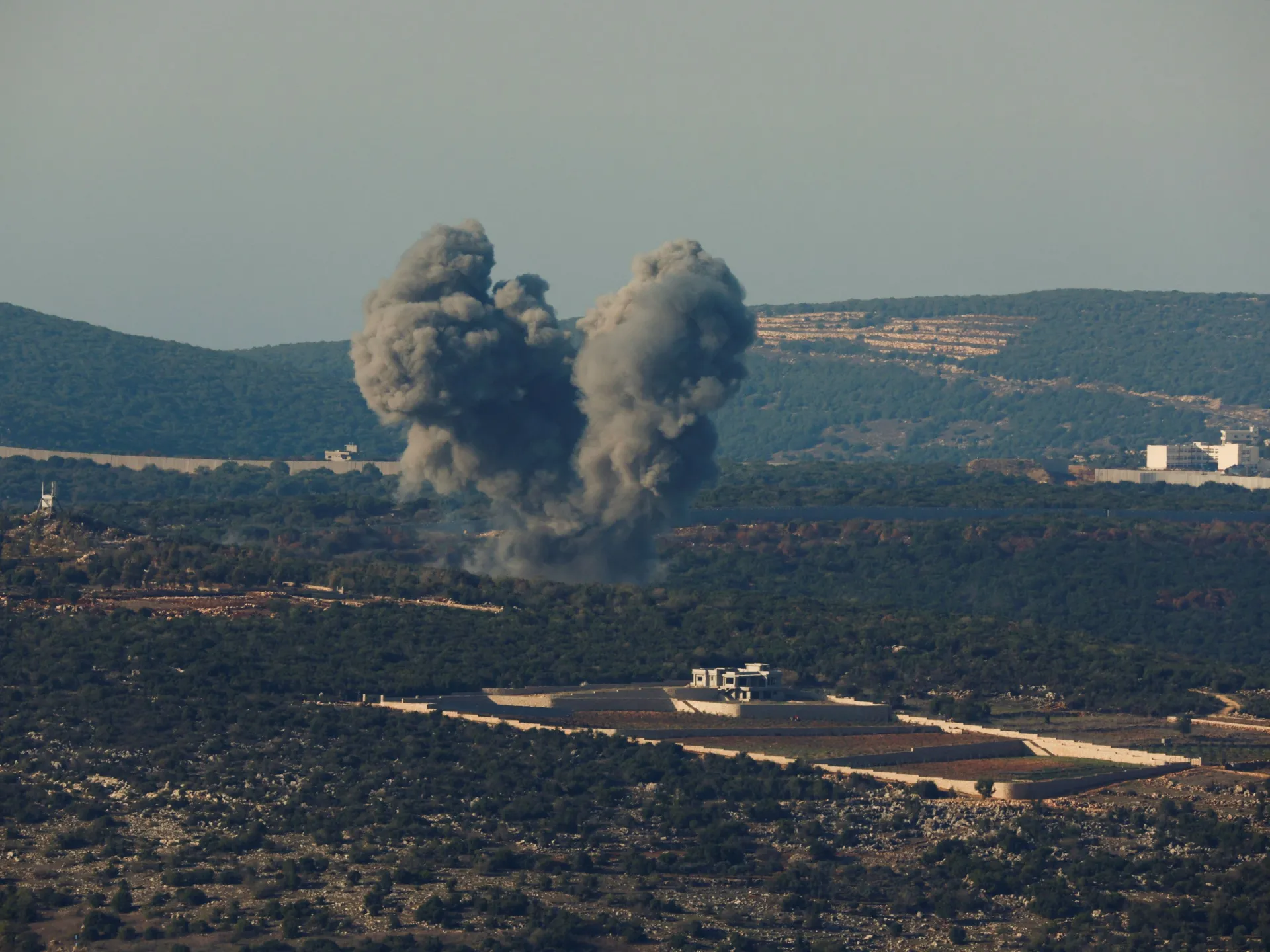
As for the Lebanese situation, former US Ambassador Edward Gabriel pointed out that the Israeli forces' control over the historic Shakif Castle represents the deepest Israeli incursion into Lebanon in over a quarter of a century. Additionally, direct military negotiations between the Lebanese and Israeli armies represent an unprecedented step in building trust.
Gabriel emphasized that the core dilemma remains, as the Lebanese require a ceasefire first before disarmament, while the Israelis reflect this equation entirely.
Impact on the Arab Region
From another angle, researcher Randa Salim notes that two "clocks" are controlling the course of the crisis: Washington's clock, which seeks to expedite a settlement, and the field's clock, where both Benjamin Netanyahu and Hezbollah see their interests in continuing the fight for different reasons.
In this context, Netanyahu faces upcoming elections, and his war enjoys domestic popularity, while Hezbollah links its operations to the outcomes of the US-Iran negotiations.
Away from the battlefields, military affairs expert Ben Freeman highlighted the proposal for the "US-Israeli Defense Technology Cooperation Initiative" presented in Congress, a project that goes beyond traditional aid to include integrating research and weapon development.
However, Freeman warned that this integration "is irreversible," as separating the US and Israeli paths in the future would be a process taking years and costing billions, raising risks related to US national security.