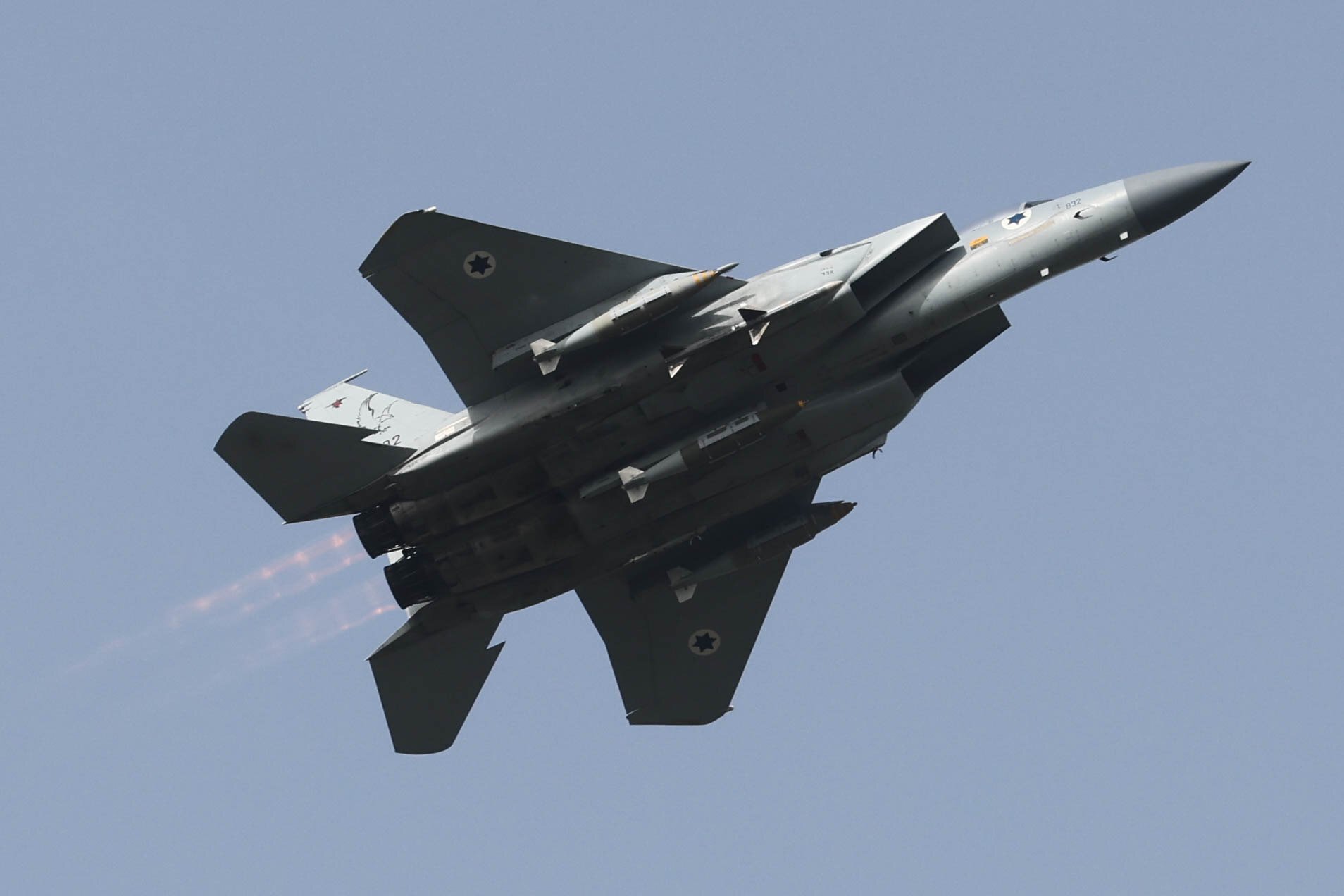
US rescue teams are actively searching for a crew member of the F-15 fighter jet that was downed in Iran, following the successful rescue of the first pilot. If confirmed, this incident will be part of a long history of combat search and rescue operations conducted by the United States over the decades.
Reports indicate that the search operations are taking place deep within Iranian territory, making these missions among the most complex and sensitive in military operations. Combat Search and Rescue (CSAR) teams are specialized military operations that require specific preparation, with elite units of the US Air Force trained to execute them.
Details of the Incident
Combat search and rescue operations are military missions aimed at locating missing personnel, providing assistance, and potentially rescuing them. These operations differ from traditional search and rescue missions that may occur in humanitarian contexts or after disasters, as they take place in hostile or contested environments.
In the case of the recent incident in Iran, operations may occur deep within enemy territory, adding to their complexity. According to sources, the rescue operations may involve the use of helicopters, with support aircraft for refueling and others for monitoring the area.
Background & Context
The roots of combat search and rescue operations date back to World War I, when pilots made unplanned landings in France to rescue their comrades. Additionally, American combat rescue units trace back to a mission in 1943, where two military surgeons parachuted into Burma to assist wounded soldiers.
These operations have significantly evolved during the Vietnam War, leading to an expansion and complexity of missions. These military experiences have helped improve the tactics and procedures that form the basis of modern rescue operations.
Impact & Consequences
Combat search and rescue operations are a fundamental part of the US armed forces' commitment to their personnel, ensuring that no one is left behind. The motto of the combat rescue teams, "These things we do, so that others may live," embodies this commitment.
These operations require intensive training, with individuals undergoing a selection and training process lasting about two years, which includes parachuting, diving skills, and specialized medical courses.
Regional Significance
This incident is directly related to the ongoing tensions in the region, highlighting the importance of search and rescue operations in the context of military conflicts. It also points to the challenges faced by US forces in executing their missions in complex environments.
These operations exemplify how military events in the Middle East impact regional stability, necessitating attention to future developments.