BP BUMN President Doni Oskaria announced the initiation of a comprehensive review of railway operations in Indonesia after a horrific collision between the Argo Bromo Anggrek train and the KRL Commuter Line train in East Bekasi. The incident, which occurred last Monday, resulted in the deaths of 14 individuals, raising significant concerns about the safety of the country's public transport system.
During his remarks at the Jakarta Globe Insight event, Oskaria emphasized that the review will encompass all operational aspects, with a particular focus on enhancing safety standards. He noted that there are approximately 1800 railway crossings that require improvements to prevent the recurrence of such tragic incidents.
Details of the Incident
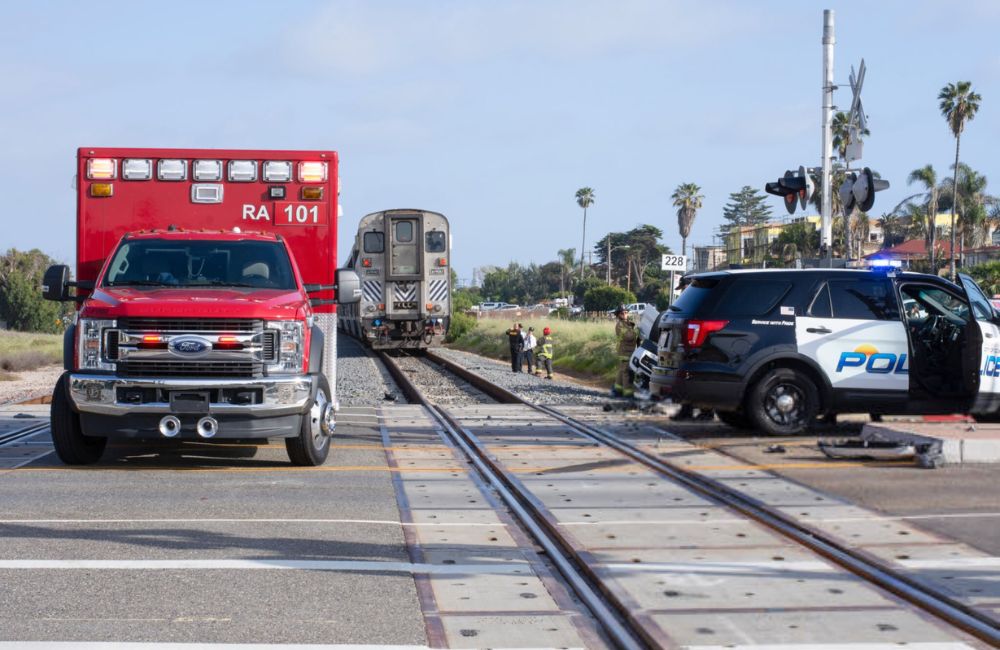
The accident took place at the East Bekasi station, where the Argo Bromo train collided with a stationary KRL Commuter Line train. Reports indicate that the collision followed a taxi crashing into the stationary train at the crossing area. This incident caused panic and anxiety among passengers, with the injured being transported to nearby hospitals for treatment.
It is noteworthy that the incident has drawn the attention of President Joko Widodo, who has directed the allocation of a budget to enhance all crossings, either through the construction of guard points or the establishment of overpasses. The estimated budget required for these improvements is around 4 trillion Indonesian Rupiah.
Background & Context
Historically, Indonesia has experienced numerous incidents related to public transport, prompting the government to take steps to improve safety. Railways are a vital means of transportation in the country, contributing to the connectivity of cities and facilitating the movement of citizens. However, recurring accidents indicate gaps in the safety system, necessitating urgent intervention.
In recent years, significant investments have been made in developing railway infrastructure, yet incidents like the Bekasi accident highlight the urgent need for further enhancements. A strong commitment from the government and involved companies is required to ensure passenger safety.
Impact & Consequences
This incident could have a substantial impact on public confidence in the public transport system. If effective measures are not taken to improve safety, citizens may avoid using trains, leading to a decline in ridership and a negative impact on the economy. Additionally, similar accidents may increase pressure on the government to enhance infrastructure and provide better services.
Furthermore, the incident underscores the importance of collaboration between the government and the private sector in transportation. Improving safety requires significant investments and strategic planning, necessitating active participation from all stakeholders.
Regional Significance
Safety issues in public transport are a significant concern not only in Indonesia but also in many Arab countries. Numerous Arab nations face similar challenges in transportation, striving to improve infrastructure and provide safe and reliable services for their citizens. The experiences and lessons learned from Indonesia could be beneficial for Arab countries in their efforts to enhance their transport systems.
In conclusion, the recent incident in Indonesia highlights the urgent need to improve safety standards in public transport. The government and relevant companies must take immediate steps to ensure passenger safety and prevent the recurrence of such tragic events.