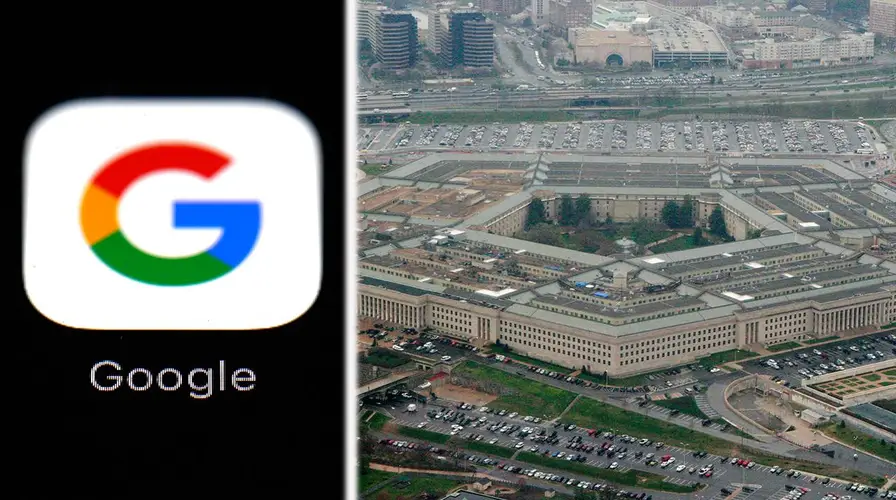
Over 600 employees at Google have voiced their opposition to a proposed agreement with the U.S. Department of Defense, which permits the use of artificial intelligence technologies in covert military operations. This action is a manifestation of increasing concern among technology workers, many of whom believe that utilizing AI in military operations could lead to dire consequences.
The employees pointed out that this agreement contradicts the company's values, which consistently promote responsible innovation. The proposed agreement was presented by the Pentagon, involving the use of AI technologies developed by Google in sensitive military operations. This proposal has sparked strong reactions from employees, who have signed a petition urging the company's upper management to reject this collaboration.
Details of the Agreement
This protest comes at a sensitive time, as there is mounting pressure on major technology companies to be more transparent about how their technologies are used. Some employees have indicated that such agreements could lead to the deployment of advanced technologies in warfare, raising concerns about ethics and humanitarian implications.
Historically, major tech companies like Google have been at the forefront of innovation, but they now face new challenges regarding the application of their technologies. In recent years, there has been an escalation in the use of artificial intelligence across various fields, including defense and security. However, the use of these technologies in military operations raises questions about ethical responsibility.
Background & Context
The debate surrounding the use of AI in military contexts is not new, but it has gained significant traction as AI capabilities have advanced. Employees argue that the potential for AI to make life-and-death decisions in combat scenarios poses a moral dilemma. The technology sector is increasingly scrutinized for its role in contributing to military capabilities, which can lead to unintended consequences.
Moreover, the ethical implications of using AI in warfare extend beyond the battlefield. There are concerns about accountability, transparency, and the potential for misuse of technology. As AI systems become more autonomous, the risk of errors and unintended harm increases, prompting calls for stricter regulations and oversight.
Impact & Consequences
The backlash from Google employees highlights a broader movement within the tech industry advocating for ethical considerations in technology development. This incident may influence other tech companies to reconsider their partnerships with military organizations and to prioritize ethical standards in their operations.
Furthermore, the growing opposition from employees could lead to a shift in corporate policies regarding military contracts. Companies may feel compelled to engage in more dialogue with their workforce about the implications of their technologies, fostering a culture of accountability and ethical awareness.
Regional Significance
This issue resonates beyond Google, as it reflects a larger trend of tech workers advocating for ethical practices within their industries. As the military increasingly seeks to leverage cutting-edge technologies, the voices of employees will play a crucial role in shaping the future of AI applications in warfare.
In conclusion, the opposition from Google employees serves as a reminder of the ethical responsibilities that come with technological advancements. As the conversation around AI in military operations continues, it is essential for companies to engage with their employees and consider the broader implications of their work.