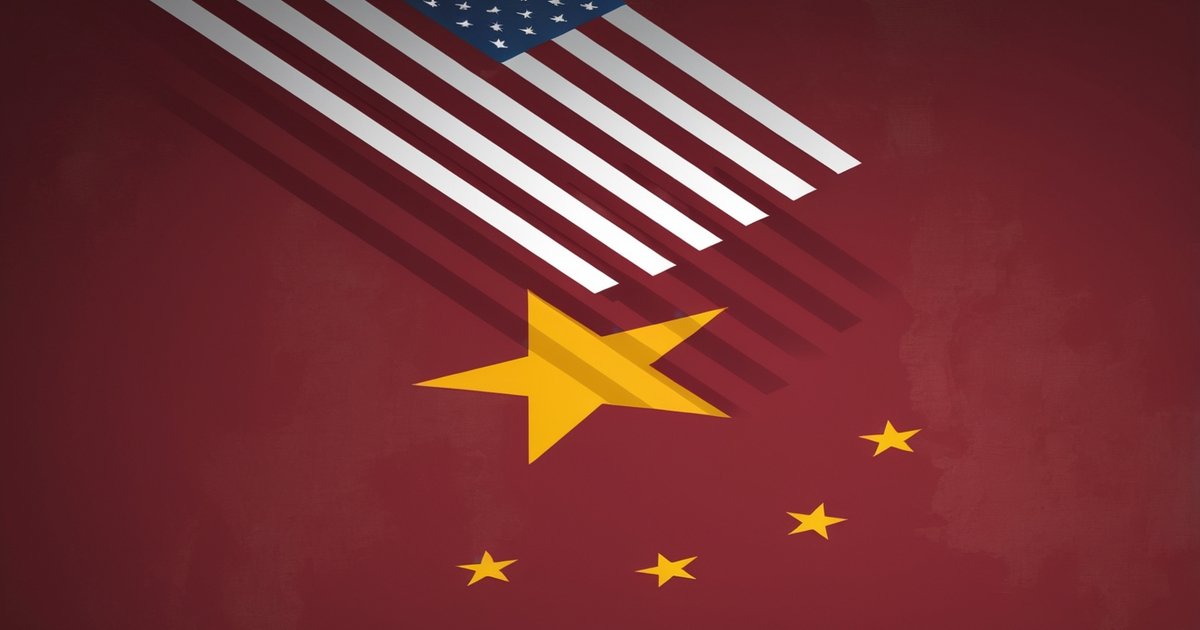
The international arena has recently seen a marked escalation in the struggle among giants, as major powers compete for influence and control in various fields. This competition extends beyond military aspects to include economics, technology, and culture, creating a state of tension and instability in many regions.
Manifestations of this struggle are evident in several international crises, where major countries seek to strengthen their strategic positions through new alliances and military operations. Additionally, the economic rivalry among these powers is intensifying, affecting global trade relations and leading to changes in supply chains.
Details of the Event
In recent years, we have witnessed numerous events reflecting this struggle, such as conflicts in regions like the Middle East and Asia. Major powers are striving to impose their control over natural resources and vital trade routes. Furthermore, tensions between the United States and China have reached unprecedented levels, with both vying for dominance in technology and economics.
Moreover, regional conflicts such as the dispute in Ukraine and conflicts in the Middle East also reflect the impact of this competition. Major powers are seeking to support their allies in these disputes, complicating situations further and exacerbating humanitarian crises.
Background & Context
The struggle among giants dates back decades, with the Cold War between the United States and the Soviet Union serving as a clear model of this competition. With the collapse of the Soviet Union, many believed that the world had witnessed the end of this struggle, but reality proved otherwise. New conflicts emerged, and new powers began to assert themselves on the international stage.
Today, we find that major powers such as the United States, China, and Russia play key roles in shaping global policies. The emergence of new powers like India and Brazil further complicates the international landscape, making it difficult to predict future events.
Impact & Consequences
The struggle among giants has significant implications for global security and stability. Tensions between these powers could lead to armed conflicts, threatening peace in many areas. Economic competition can also result in financial crises, particularly affecting developing countries.
Furthermore, the environmental and social impacts of this struggle cannot be overlooked. Conflicts over natural resources may lead to environmental degradation and increased poverty in affected areas, exacerbating the suffering of local populations.
Regional Significance
The Arab region is significantly affected by the struggle among giants, as major powers play a pivotal role in regional conflicts. Military and political interventions by these powers impact the stability of Arab countries and complicate existing crises.
Additionally, competition for resources such as oil and gas makes the region a focal point for major powers, leading to new conflicts that may affect the national security of Arab states. Therefore, understanding this struggle is crucial for determining future policies in the region.
In conclusion, the struggle among giants remains a central issue affecting the entire world. As tensions rise, countries must work to enhance international cooperation to ensure security and stability amid this escalating competition.