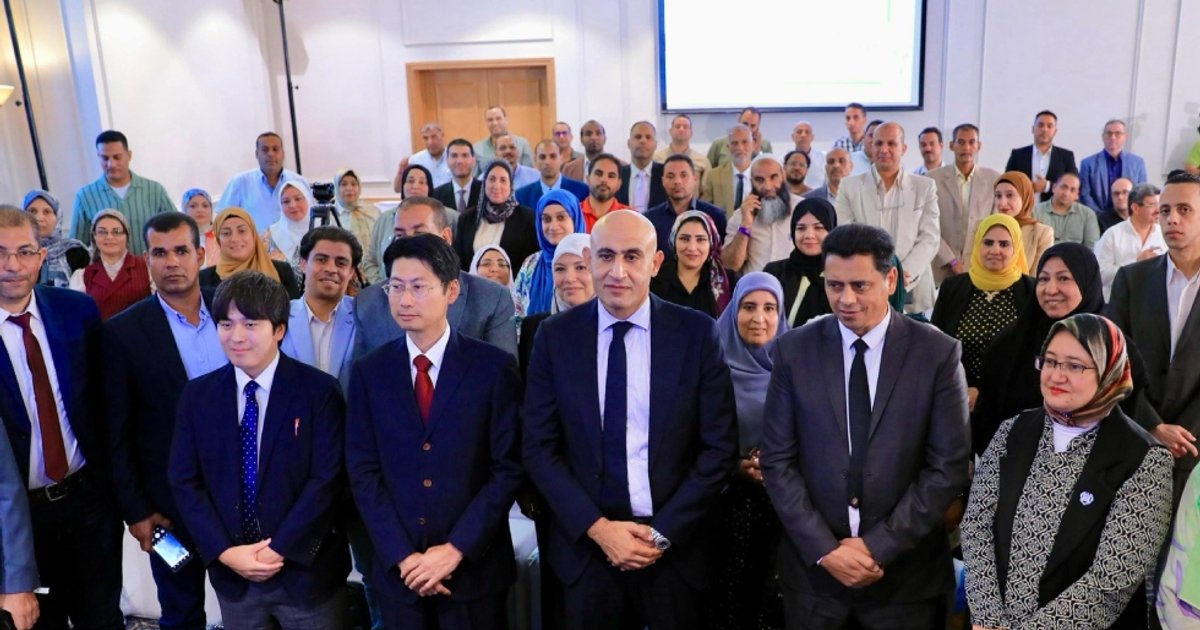
The Egyptian Minister of Education reported that more than one million students have studied programming during the current academic year, noting that approximately 500,000 students have successfully completed the program. This initiative is part of the ministry's efforts to develop educational curricula and equip students with the necessary skills to face the challenges of the digital age.
The Ministry of Education aims to integrate programming into the curricula as part of a comprehensive vision aimed at improving the quality of education and providing future job opportunities for students. The program has been designed to be engaging for students, including practical activities and interactive projects.
Details of the Initiative
The minister clarified that the program includes students from all educational stages, from primary to secondary, reflecting the ministry's commitment to enhancing technological education at all levels. The program has been implemented in collaboration with several leading technology companies, which provided technical and training support for teachers and students.
The minister also indicated that the ministry is working to provide more educational resources, including online platforms and training courses, to ensure the continuity of learning and skill development. This program is part of a broader strategy aimed at transforming Egypt into a regional hub for technological education.
Background & Context
This step comes at a time when the world is witnessing a rapid digital transformation, increasing the demand for technological skills in the labor market. Many countries, including Egypt, have recognized the importance of teaching programming as a fundamental tool to prepare youth for future challenges.
In recent years, several Arab countries have begun to incorporate programming into their educational curricula, as these skills are deemed essential in the modern technology era. This trend reflects the governments' desire to foster innovation and creativity among the youth.
Impact & Consequences
This program is expected to have a positive impact on the labor market in Egypt, as it will provide students with the necessary skills to enter advanced technology fields. It will also help reduce the gap between education and the labor market, enhancing employment opportunities for graduates.
Furthermore, enhancing programming education can contribute to stimulating local innovation, as students can develop new technological projects that may improve the national economy. This program may also encourage entrepreneurship among the youth.
Regional Significance
Egypt's experience in teaching programming serves as a model for the Arab region, potentially inspiring other countries to adopt similar strategies. Enhancing technological education in Arab countries can contribute to achieving sustainable development and strengthen the youth's ability to compete in the global market.
In light of the economic and social challenges facing the region, investing in technological education is a strategic step towards building a better future. Empowering youth with digital skills can contribute to achieving stability and growth in Arab communities.