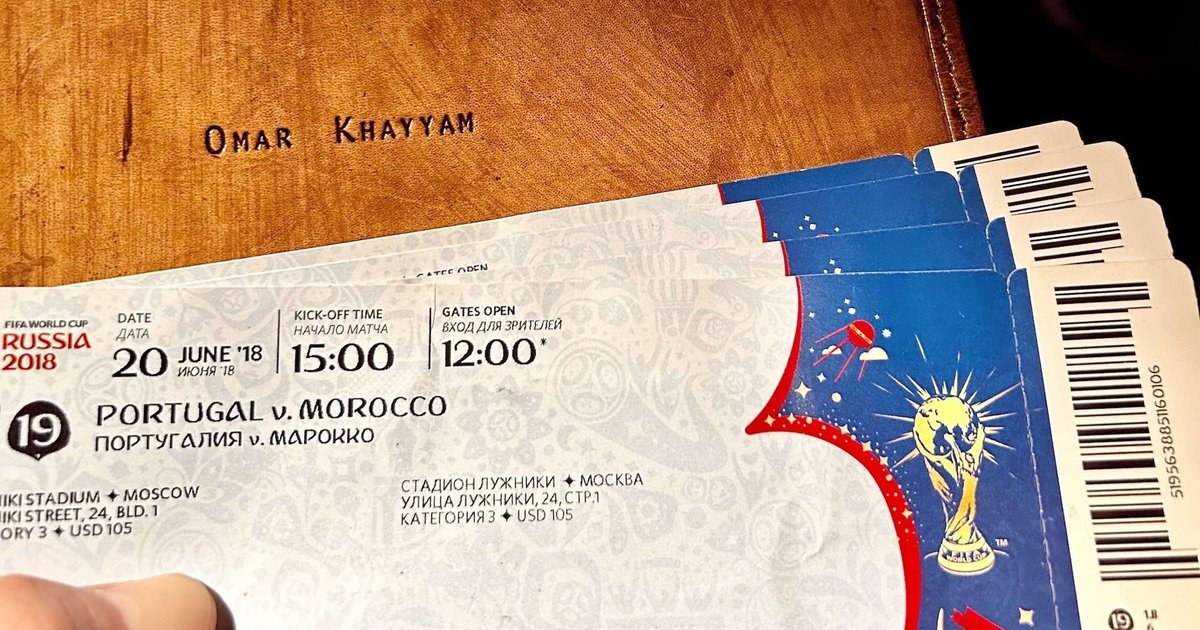
As the world turns its attention to the 2026 World Cup, questions arise about the future of football as a popular sport. Will the game become exclusive to the wealthy? Historically known as the "game of the poor," football has been followed passionately from rooftops and local cafes. However, the upcoming edition of the global tournament may signal an end to this era.
Concerns are growing that football is heading towards a monopoly by the wealthy, particularly with rising ticket and facility costs. In recent years, major tournaments have seen a significant increase in ticket prices, making it difficult for average fans to attend matches. This trend could lead to a decline in attendance from lower-income groups, threatening the essence of the game.
Event Details
The 2026 World Cup will be unique, taking place across three countries: the United States, Canada, and Mexico. This event is expected to be the largest in World Cup history, featuring 48 teams, which increases competitive opportunities and enhances fan attendance. However, with this expansion, questions arise about how to manage the soaring costs.
Reports indicate that ticket prices may reach unprecedented levels, raising concerns among game enthusiasts. While FIFA aims for substantial profits, it may overlook the needs of ordinary fans, threatening to empty stadiums of traditional supporters.
Background & Context
Historically, football has represented the voice of the poor, played in streets and alleys. However, as the game has evolved into a massive industry, we are witnessing radical changes. Major clubs now rely on substantial investments, leading to a widening gap between the rich and the poor in the football world.
In recent years, we have seen record transfer deals and astronomical salaries for players, distancing the game from many. This shift may affect how fans perceive the sport, as some may feel unwelcome in the world of football.
Impact & Consequences
If these trends continue, we may witness a fundamental change in how tournaments are organized. Rising ticket costs could lead to a decline in fan attendance, affecting the atmosphere inside stadiums. Additionally, the absence of ordinary fans may diminish the spirit of competition, making matches appear as events solely for the elite.
Furthermore, this shift could impact the development of young talent, as opportunities will become limited for players from economically disadvantaged backgrounds. If these individuals cannot access the stadiums, we may lose many talents that could enrich the game.
Regional Significance
Football is an essential part of Arab culture, with fans passionately following local and international tournaments. If current trends persist, Arab fans may be significantly affected, finding it challenging to follow or attend matches. This could lead to a decline in interest in tournaments, impacting club and player investments in the region.
Ultimately, FIFA and major clubs must reconsider their policies to ensure that football remains a game for everyone, not just the wealthy. Efforts must be made to preserve the spirit of the game and ensure it stays close to the hearts of fans.