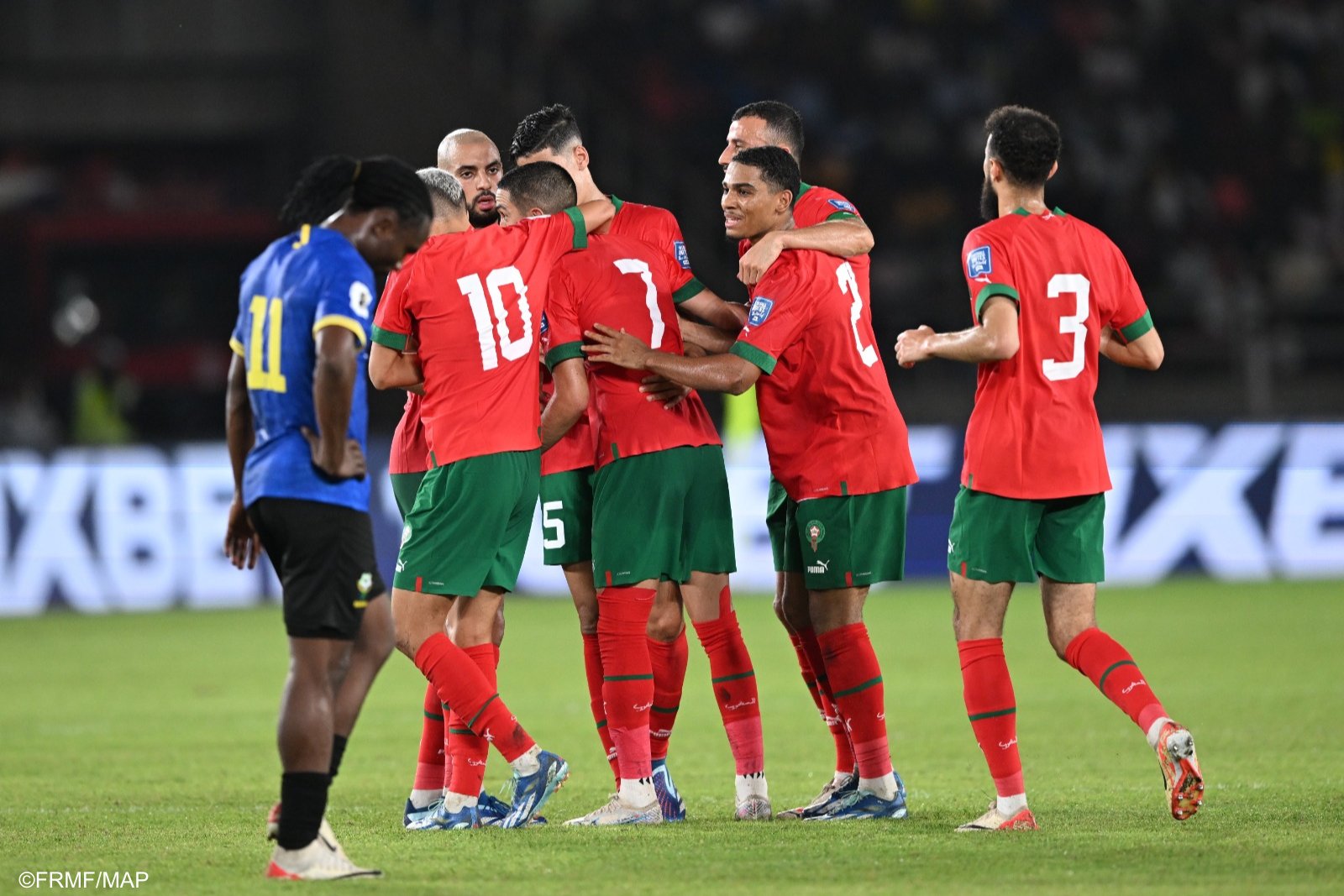
Reports are increasing regarding tensions among some prominent players in Morocco's national team, raising concerns among fans as new coach Mohamed Wahbi prepares to finalize the roster for the World Cup. This charged atmosphere could adversely affect the team's performance in the anticipated tournament.
Under these circumstances, Wahbi faces significant challenges related to team management and achieving harmony among players. The World Cup represents a golden opportunity for the Moroccan team to showcase its potential, but these tensions could hinder the coach's efforts in building a cohesive squad.
Details of the Situation
Reports indicate that some key figures in the locker room have expressed discomfort with certain tactical decisions made by the coach. This could lead to divisions within the team, negatively reflecting on the players' morale. Additionally, this atmosphere may impact the team's psychological and physical readiness before the tournament begins.
Currently, Mohamed Wahbi is working on determining the final roster that will participate in the World Cup, and it seems that these tensions may complicate his task. While the coach strives to unify the team's ranks, these tensions remain a significant concern for the officials in charge of the national team.
Background & Context
This situation comes against a backdrop of a long history of challenges faced by the Moroccan national team in international competitions. Although Morocco has achieved some success in the past, internal tensions have often hindered its progress. Historically, there have been similar cases in other national teams, where internal disputes led to negative outcomes in major tournaments.
The World Cup is an important opportunity for the Moroccan team to prove itself on the global stage, but its success heavily relies on Coach Wahbi's ability to manage this charged atmosphere and achieve harmony among the players.
Impact & Consequences
If these tensions persist, they could significantly affect the team's performance in the World Cup. A lack of cohesion among players may lead to unsatisfactory results, which could negatively impact the Moroccan national team's reputation on the international stage. Furthermore, these tensions may influence fan support, who hope to see their team perform exceptionally in the tournament.
Moreover, this atmosphere could affect Coach Wahbi's plans for team formation and gameplay strategies. If he cannot address these issues, he may find himself forced to change his plans at the last minute, potentially leading to confusion within the team.
Regional Significance
The Moroccan national team's participation in the World Cup is a significant event not only for Morocco but for the entire Arab region. The team's success could enhance the spirit of sportsmanship in Arab countries and motivate other teams to achieve better results in international competitions. Conversely, failure could negatively impact Arab fans' morale and reflect a negative image of football in the region.
In conclusion, hope remains pinned on Coach Mohamed Wahbi's ability to overcome these challenges and build a cohesive team capable of competing in the World Cup. Fans eagerly await to see how events will unfold in the coming days.