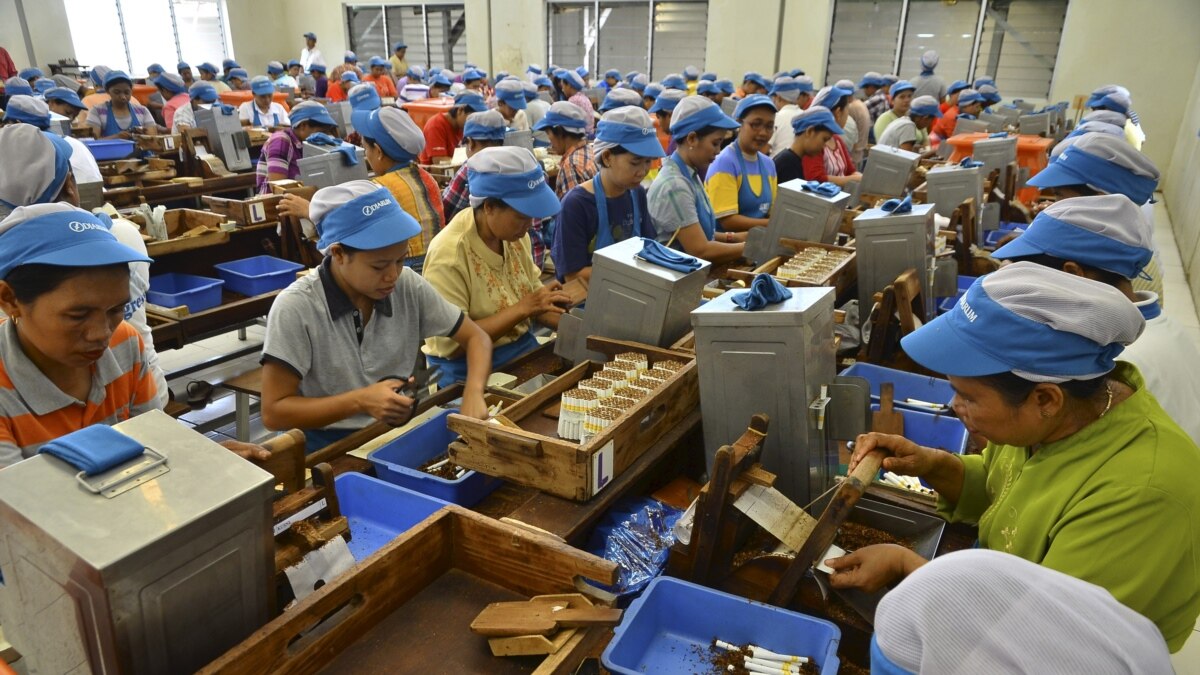
The Indonesian Tobacco Producers Association (Gapero) has voiced its concerns about the impact of the Ministry of Health's policy to ban additives in tobacco products, noting that this decision could significantly affect the national tobacco industry. This announcement comes at a sensitive time for the sector, which relies heavily on these substances to preserve the flavor and quality of its products.
In statements made by Gapero's Surabaya branch head, Sulaiman Bahar, he emphasized that this policy could lead to dual negative effects on the industry, as the ban on additives may threaten the sustainability of the legal cigarette industry, particularly the kretek cigarettes, which are considered part of Indonesia's cultural heritage.
Details of the Ban
Bahar explained that the implementation of this ban could result in the shutdown of many cigarette factories, as they would be unable to comply with the new requirements. He also pointed out that the Ministry of Coordinating Human Development and Culture plans to set limits on nicotine and tar levels, which could further complicate the industry's ability to meet these standards.
Kretek cigarettes, which account for 97% of national production, are made from local tobacco and cloves, which naturally contain higher levels of nicotine compared to imported tobacco. Therefore, these new requirements may be unachievable for many local producers.
Background & Context
Historically, the tobacco industry in Indonesia has played a significant role in the national economy, providing jobs for over 186,000 people, which represents 60% of the total workforce in this sector. With approximately 920 legal factories, this industry contributes significantly to national revenues.
However, with increasing global pressure to reduce tobacco consumption, the Indonesian government has begun taking stricter steps to regulate this sector. Nevertheless, these measures must balance public health protection with business sustainability.
Impact & Consequences
The ban on additives could lead to an increase in the prevalence of illegal cigarettes, as consumers may seek cheaper alternatives. This, in turn, could harm the legal industry, necessitating the government to consider clear transitional solutions to support local producers.
Additionally, these policies may affect investments in this sector, potentially leading to further job losses. Therefore, it is crucial that the new policies involve industrial associations in the law-making process to ensure a balance between public health and business continuity.
Regional Significance
This issue highlights the challenges facing the tobacco industry in Indonesia and the impact of health policies on the local economy. The potential job losses and the threat to cultural products like kretek cigarettes underscore the need for careful consideration in policy formulation.
In conclusion, the Indonesian tobacco industry stands at a crossroads, where health policies must be carefully weighed against the economic realities of a sector that has long been a cornerstone of the national economy.