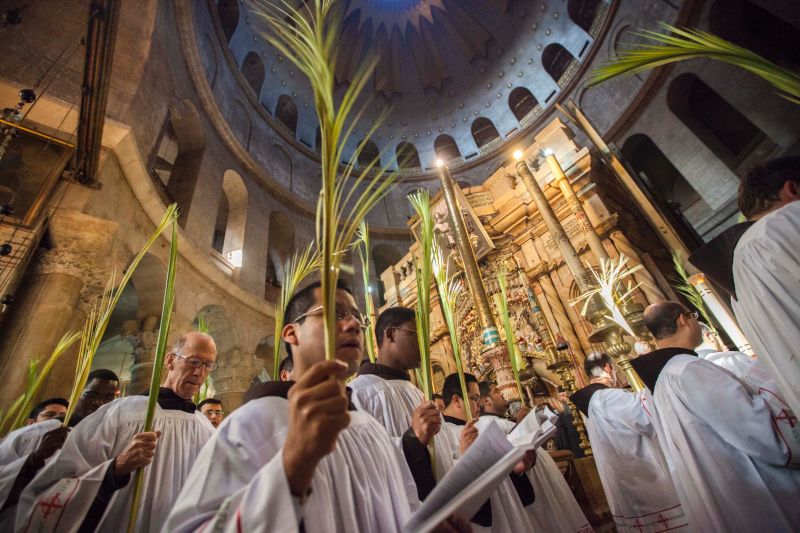
Today, the church concluded the Holy Lent, announcing the start of Passion Week, which represents an important phase in the Christian calendar. This week includes many rituals and celebrations that reflect the depth of faith and religious traditions.
The Friday marking the end of Lent is one of the prominent occasions celebrated by Christians worldwide, symbolizing the end of a fasting period lasting for forty days. During this time, believers focus on meditation, prayer, and repentance in preparation for the celebration of Easter.
Details of the Event
In these days, the church celebrates the Friday marking the end of Lent, where special masses and prayers are held to express gratitude to God for His blessings. This day is an opportunity for believers to reflect on the meanings of fasting and its importance in enhancing spirituality and drawing closer to God.
The rituals of the Friday marking the end of Lent include readings from the Bible, in addition to special hymns that express joy and gratitude. Believers are also encouraged to participate in social and charitable activities, reflecting the spirit of love and giving that fasting promotes.
Background & Context
The Holy Lent is an ancient tradition dating back to the early centuries of Christianity, considered a period of spiritual preparation before Easter. It is believed that Jesus Christ fasted for forty days in the desert before beginning His ministry, making this period a symbol of repentance and contemplation.
Methods of celebrating Lent vary from church to church, with each denomination adopting its own traditions. However, the primary goal remains the enhancement of spirituality and drawing closer to God through fasting and prayer.
Impact & Consequences
The beginning of Passion Week represents an important shift in the lives of believers, enhancing the spirit of community and solidarity among individuals. The rituals and celebrations during this week provide an opportunity to renew faith and strengthen social bonds.
This period is also seen as an occasion to promote human values such as love and tolerance, which enhances peaceful coexistence among different sects and communities. This spirit can contribute to fostering peace and stability in diverse societies.
Regional Significance
In the Arab region, the celebration of Lent and Passion Week is part of the cultural and religious heritage. This celebration enhances Christian identity and contributes to fostering understanding between different religions.
Churches in Arab countries serve as cultural and social centers, organizing numerous events that bring together various sects. These events can contribute to enhancing interfaith dialogue and providing a model for peaceful coexistence.
In conclusion, the Holy Lent and Passion Week represent an opportunity for believers to reflect on the meanings of faith and draw closer to God, thereby strengthening social and human bonds in communities.