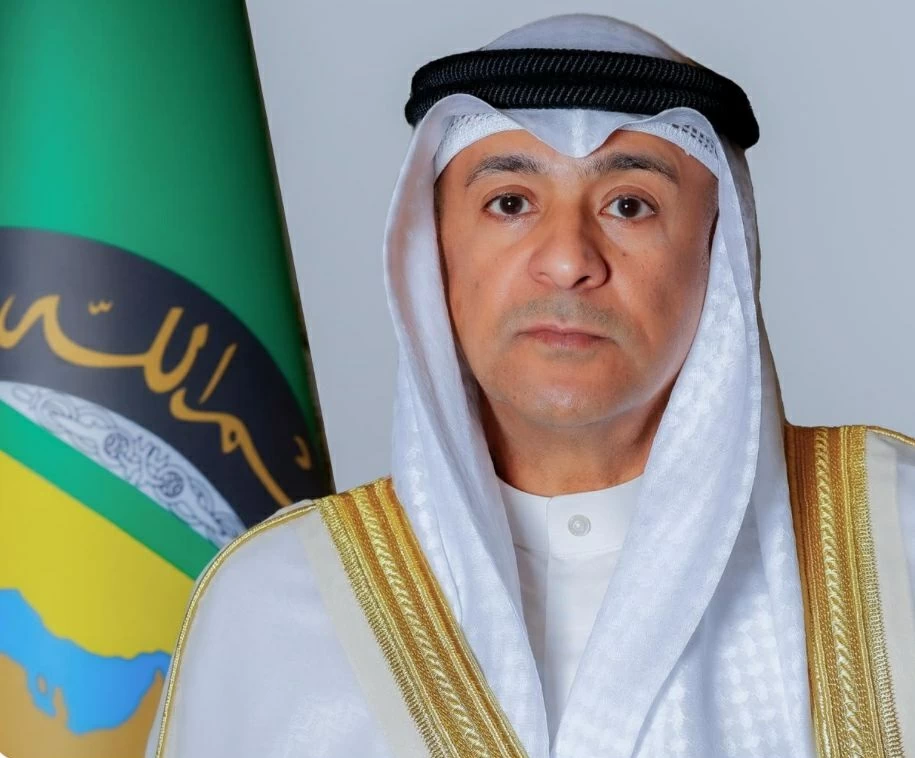
The Secretary-General of the Gulf Cooperation Council, Jasem Al-Budaiwi, condemned in the strongest terms the Iranian attacks that targeted the UAE and Kuwait. In a press statement, Al-Budaiwi emphasized that "the treacherous Iranian approach systematically seeks to destabilize the security of the region and undermine regional security, in a blatant violation of international law, the United Nations Charter, and the principles of good neighborliness."
He stressed that the Council's member states support the UAE and Kuwait in all measures they take to maintain their security, stability, and the safety of citizens and residents on their territories. These statements come at a sensitive time, as tensions in the region have increased amid escalating Iranian military activities.
Details of the Incident
In a related context, the UAE Ministry of Defense announced that it dealt with two drones coming from Iran today (Sunday), with no injuries reported. The ministry clarified in its statement that since the outbreak of the war on February 28, it has dealt with 551 ballistic missiles and 29 cruise missiles, reflecting the scale of the threats facing the state.
At the same time, the Kuwaiti army announced that it dealt with several hostile drones early this morning after they were detected in the country's airspace. Colonel Saud Al-Attawan, the spokesperson for the Ministry of Defense, stated that the Kuwaiti armed forces detected a number of hostile drones and dealt with them according to established procedures.
Background & Context
These attacks are part of a series of escalating tensions between Iran and Gulf states, as Iran seeks to enhance its influence in the region, raising concerns among neighboring countries. In recent years, there has been a rise in Iranian military activities, including attacks on oil facilities in Saudi Arabia, prompting Gulf states to bolster their military defenses.
Recent statements from the Secretary-General of the Gulf Cooperation Council reflect an increasing concern among member states regarding Iranian threats and underscore the importance of security cooperation among Gulf countries to address these challenges.
Impact & Consequences
These events highlight the importance of enhancing defense cooperation among Gulf states to confront common threats. The military escalation could exacerbate the situation in the region, impacting regional security and stability. Under these circumstances, Gulf states must work together to coordinate their defense strategies and share intelligence information.
These tensions are likely to affect the regional economy, particularly in the oil and energy sectors, where many countries rely on regional stability to ensure supply flow. Any escalation could lead to rising oil prices, impacting the global economy.
Regional Significance
These events serve as a reminder of the importance of Arab unity in facing common challenges. The military escalation in the Gulf may affect the national security of other Arab states, necessitating enhanced Arab cooperation to address these threats. Other Arab countries may need to take proactive steps to ensure their security and stability amid these changing circumstances.
In conclusion, tensions in the region remain under observation, as Gulf states must take effective steps to ensure their security and stability in the face of increasing Iranian threats.