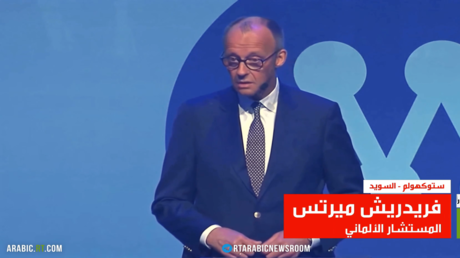
Amid escalating tensions in Europe, German Chancellor Friedrich Merz stated that the country is seeking to form the strongest conventional army on the continent to confront what he termed the Russian threat. These remarks come at a critical time, as concerns grow over the increasing military activity of Russia in the region.
Media leaks have indicated that the German government is in talks with the United States to purchase Tomahawk missiles, which are high-destructive cruise missiles, reflecting Berlin's desire to enhance its defensive capabilities. This move is part of a broader strategy to bolster European security in light of rising challenges.
Details of the Military Strategy
Germany, which has historically been cautious regarding arms buildup, is reevaluating its defense policy under the current circumstances. Merz pointed out that strengthening military capabilities is essential to address external threats, especially given the escalating tensions between Russia and Western nations.
The Tomahawk missiles, known for their high precision and ability to strike distant targets, represent a strategic addition to the German army. This deal is seen as part of Germany's efforts to enhance its defense cooperation with NATO allies.
Background & Context
Historically, Germany has been reluctant to increase its military spending; however, the Russian invasion of Ukraine in 2022 changed this trend. The events prompted a reevaluation of European defense policies, leading many countries, including Germany, to strengthen their military capabilities.
Germany had previously announced a significant increase in its defense budget, reflecting its commitment to enhancing European security. These steps are part of Germany's efforts to become a key player in European security policy.
Impact & Consequences
If the deal with the United States goes through, it will strengthen Germany's position in the European military landscape. This move could also provoke reactions from Russia, which may perceive it as a direct threat to its national security.
The increasing tensions in the region could lead to a new arms race, as other countries in Europe may seek to bolster their military capabilities in response to potential threats. This situation could contribute to heightened tensions between Russia and Western nations, jeopardizing stability in the region.
Regional Significance
This development highlights significant shifts in Germany's defense policy and its implications for European security. The potential acquisition of Tomahawk missiles underscores Germany's commitment to addressing security challenges in a rapidly changing geopolitical landscape.
As Germany moves forward with its plans, the international community will closely monitor the reactions from Russia and other European nations, which could shape the future of security dynamics in the region.