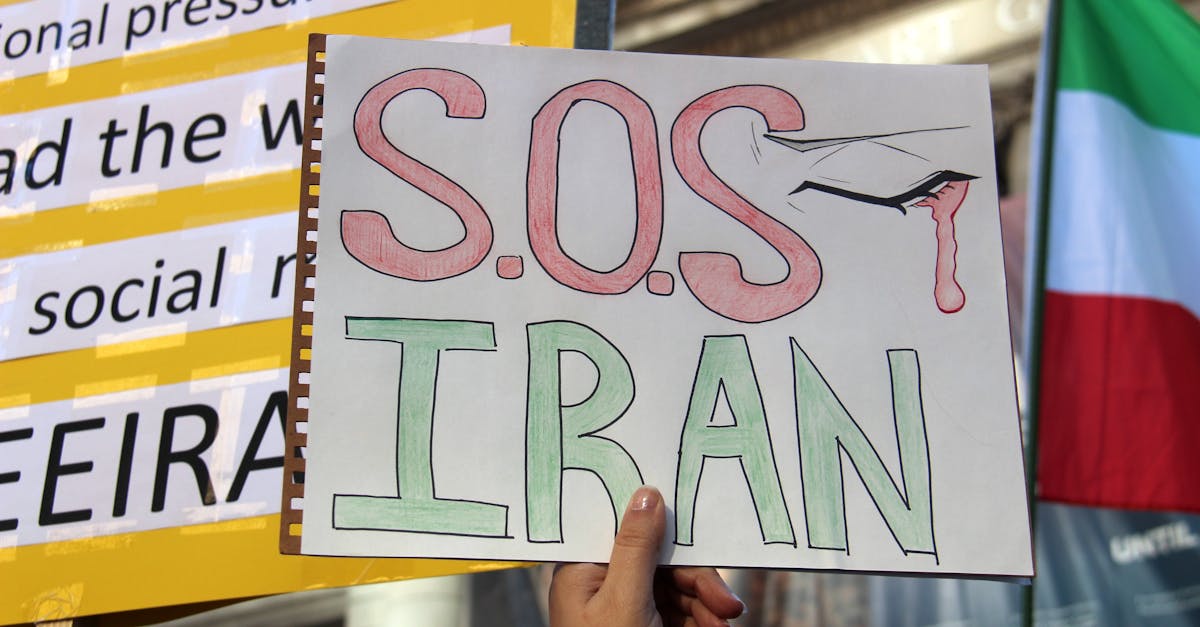
Iran and the United States are seeking to extend the current ceasefire for an additional 30 days, in an effort to alleviate the rising tensions between the two nations. The talks also address the possibility of reopening the Strait of Hormuz, which is a vital strategic point through which approximately 20% of the world's oil passes.
These developments come amid military escalations and mutual threats, as both parties strive to find common ground for de-escalation. The Strait of Hormuz is a critical point that significantly impacts the global economy.
Details of the Ongoing Talks
Reports indicate that discussions have been underway for several weeks, with both sides aiming to reach an agreement that ensures regional stability. The Iranian proposal includes extending the previous ceasefire that was intended to halt hostilities.
The negotiations are expected to cover other issues related to regional security, including the role of major powers and their influence on inter-state relations. This dialogue is viewed as a positive step towards reducing tensions, despite ongoing challenges.
Background & Context
Relations between Iran and the United States have been marked by severe tensions since the Iranian Revolution in 1979, which led to the imposition of economic sanctions by the United States against Iran, exacerbating the economic and political situation. In recent years, tensions have intensified due to Iran's nuclear program and military activities in the region.
The current situation reflects a complex web of geopolitical interests, where both nations are navigating a landscape fraught with historical grievances and strategic calculations.
Impact & Consequences
If an agreement is reached regarding the extension of the ceasefire and the reopening of the Strait of Hormuz, it could lead to improved economic conditions in the region and ensure the safe flow of oil, positively affecting global oil prices. However, Iran may face internal challenges related to responding to international demands, particularly concerning its nuclear program.
The implications of these talks extend beyond bilateral relations, potentially influencing the broader Middle Eastern geopolitical landscape and the stability of oil markets worldwide.
Regional Significance
The Strait of Hormuz is considered one of the most important maritime passages globally, making any developments regarding its status crucial for international trade and energy security. The outcome of the negotiations could reshape the dynamics of power in the Gulf region.
In conclusion, the ongoing discussions between Iran and the United States represent a critical juncture in addressing regional tensions and fostering a more stable economic environment in the Middle East.