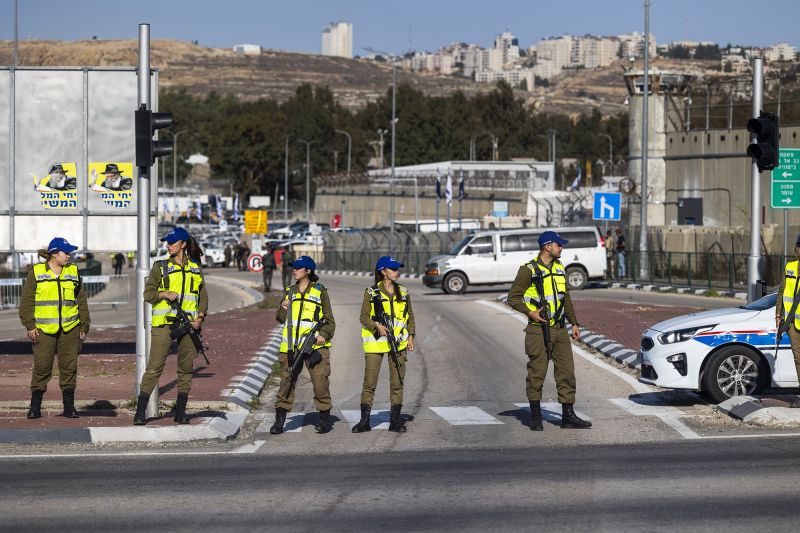
Jordanian MP Khalil Atiyeh condemned the Israeli legislation aimed at executing Palestinian prisoners, calling it a "complete crime." These statements come at a time when tensions in the region are escalating, raising concerns about human rights and avenues for achieving justice.
In his statements, Atiyeh emphasized that this legislation reflects the oppressive policies of the Israeli occupation towards Palestinians and exacerbates the suffering of prisoners and their families. He also urged the international community to take a firm stance against these practices that violate human rights.
Details of the Legislation
The new Israeli legislation, which was introduced in the Knesset, aims to permit the execution of Palestinian prisoners convicted of crimes related to attacks on Israelis. This law has sparked angry reactions from many human rights and political organizations, which argue that such measures contradict international laws.
Atiyeh, who represents the Karak district in the Jordanian parliament, pointed out that this legislation is part of a systematic policy by the Israeli government to escalate violence against Palestinians. He affirmed that this step could worsen the situation in the occupied territories, increasing the chances of further conflicts.
Background & Context
Historically, the Palestinian issue has witnessed numerous human rights violations, including arbitrary arrests and executions. The ongoing Israeli occupation since 1967 has exacerbated the humanitarian situation in the Palestinian territories, making it essential for the international community to intervene to protect Palestinian rights.
Israeli legislation targeting Palestinians is not new, but it has notably increased in recent years, reflecting the policies of the far-right Israeli government. Many Arab and international countries have expressed concern over these policies, calling for the necessity of respecting human rights.
Impact & Consequences
The legislation allowing the execution of Palestinian prisoners could have serious repercussions at both the regional and international levels. It is likely to lead to an escalation of violence in the occupied territories, threatening security and stability in the region. Additionally, this legislation may provoke strong reactions from Palestinians and their supporters, further intensifying tensions.
Moreover, this legislation could affect relations between Jordan and Israel, as Jordan is one of the countries hosting a large number of Palestinian refugees. It may require the Jordanian government to adopt a firmer stance against these Israeli policies.
Regional Significance
The Palestinian issue is considered one of the central issues in the Arab world, and any escalation in the situation could impact stability in the countries of the region. These Israeli policies may enhance feelings of anger and resentment among Arab populations, which could reflect on relations between Arab countries and Israel.
In conclusion, the international community must act swiftly to halt these Israeli policies that violate human rights and work towards finding a fair and comprehensive solution to the Palestinian issue. The escalation of the situation could lead to catastrophic outcomes, necessitating collective responsibility and efforts towards peace.