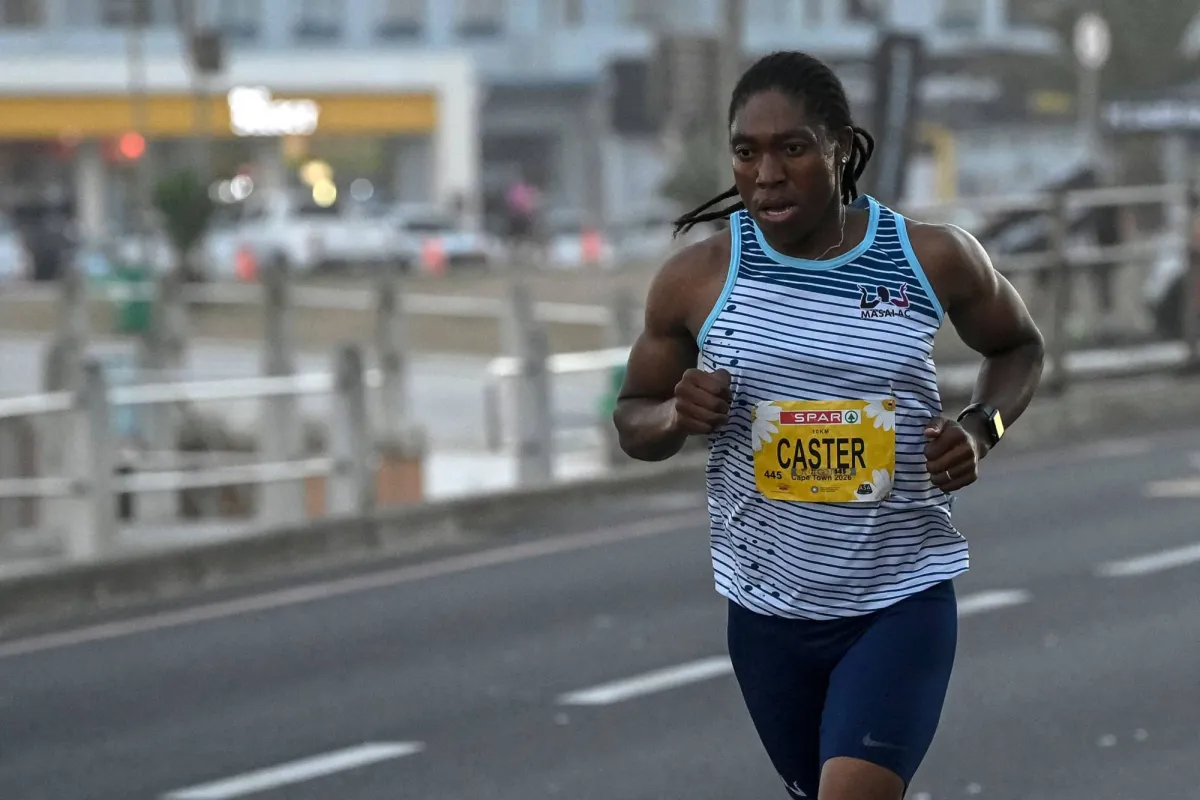
South African athlete Caster Semenya, a two-time Olympic gold medalist in the 800m, has condemned the International Olympic Committee's decision to reinstate genetic testing to determine gender starting from the 2028 Los Angeles Olympics, stating that this decision represents a lack of respect for women.
Semenya, who has been classified as hyperandrogenic, expressed her disappointment that this decision was made under the leadership of the new President of the International Olympic Committee, Zimbabwean Kristy Coventry. During a press conference in Cape Town, she said, "For me personally, to see this step come from a woman, from Africa, knowing how women in Africa or in the Global South are affected by these measures, it certainly causes harm."
Details of the Event
After nearly thirty years of abandoning gender testing, the International Olympic Committee announced the reinstatement of these tests, which effectively means the exclusion of transgender athletes and a significant number of intersex athletes from the women's category in the 2028 Los Angeles Olympics. The International Olympic Committee previously used chromosomal tests to determine gender between 1968 and 1996, before abandoning them in 1999 under pressure from the scientific community.
Semenya, who has become a symbol of the struggle for the rights of hyperandrogenic athletes, has fought a long battle to defend her rights since her first world title in the 800m in 2009 in Berlin. She questioned: "As a woman, why must you be tested to prove you are in the right place?" adding, "It feels like we are now forced to prove that we, as women, deserve to participate in sports. It is a lack of respect towards women."
Background & Context
This move comes at a sensitive time, as the International Olympic Committee faces increasing pressure from some countries, including the United States, which promotes more restrictive policies towards transgender athletes. Some observers have noted that the reinstatement of gender testing may be an attempt to avoid a potential clash with President Donald Trump, who had banned transgender athletes from participating in women's sports.
While Washington may welcome this move, many warnings have emerged over the past months from scientists, UN rapporteurs, lawyers, and human rights organizations, cautioning against the return of genetic testing to sports, as they believe these tests could lead to discrimination against transgender athletes.
Impact & Consequences
This issue raises widespread debate about women's rights in sports, with some arguing that these tests reinforce discrimination against women, while others see them as necessary to maintain the integrity of competition. The International Olympic Committee's decision is viewed as a step backward in the women's rights movement, demonstrating a lack of respect for women's efforts in sports.
Semenya is considered one of the most prominent figures in this discussion, having faced significant legal challenges due to her classification as a hyperandrogenic athlete. Her cases have sparked numerous discussions about athletes' rights and the necessity of providing a fair environment for all.
Regional Significance
In the Arab region, this decision could have significant impacts on athletes, as issues related to discrimination and human rights remain central. This issue may spark discussions about women's rights in sports in Arab countries, highlighting the need to support the rights of all athletes regardless of their gender identity.
In conclusion, it seems that the International Olympic Committee's decision to reinstate gender testing will remain a focal point of controversy and discussion in sports and legal circles, as calls for respecting the rights of women and female athletes grow worldwide.