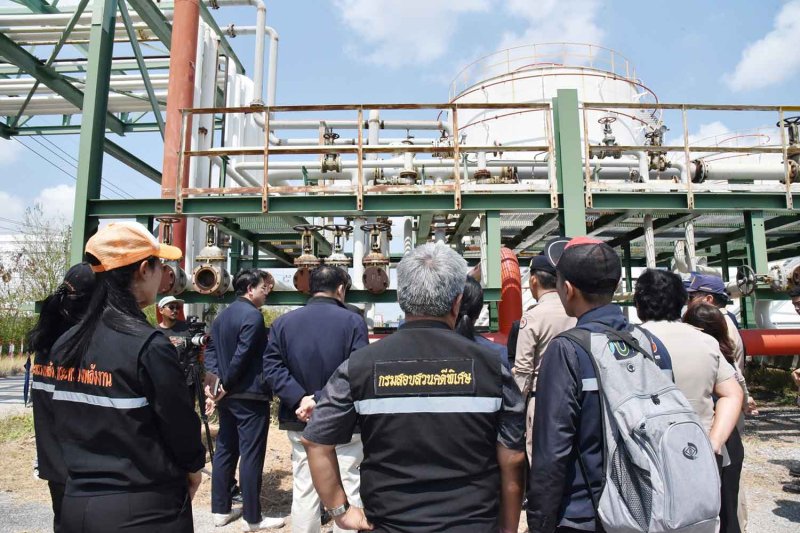
In an effort to combat monopolistic practices and price exploitation, Thai authorities have initiated a comprehensive inspection of oil warehouses and pipeline operators across three major provinces. This action follows reports indicating irregular fuel levels, raising suspicions about monopolistic practices amid a persistent supply shortage.
Under the supervision of Lieutenant General Nopasin Polsawat, advisor to the National Police Chief, the operation involves multi-agency teams that include officials from the Ministry of Energy, regional commercial offices, and tax departments. Inspections have been conducted at seven strategic locations across the provinces of Khaon Khen, Samut Sakhon, and Saraburi, where pipeline operators, oil traders, and warehouse management units have been examined.
Details of the Inspections
The investigations aim to scrutinize discrepancies in reported fuel quantities to determine whether operators have engaged in fuel hoarding to exploit price fluctuations during the current crisis. At one inspected site in the Sao Hai area of Saraburi, a pipeline transportation company cooperated with officials, allowing them access for the inspection.
Initial findings suggest that the company operates solely as a pipeline transporter, with fuel being owned by four to five major oil companies. In addition to pipeline transport, fuel is also delivered by tanker trucks to retail stations. Officials are reviewing purchase records, daily fuel consumption logs, inventory data, truck registration records, delivery documents, as well as surveillance footage and electricity consumption data from March, particularly during the period from March 20 to 25 when the supply shortage intensified due to geopolitical tensions in the Middle East.
Background & Context
These operations are part of a broader government directive to review all of the country's 92 oil warehouses. This initiative comes at a sensitive time as the world faces an escalating energy crisis due to political and economic tensions, increasing the importance of market monitoring to ensure consumers are not exploited. Historically, Thailand has experienced multiple energy crises, and there has always been concern regarding monopolistic practices in the oil market. These operations are a direct response to those concerns, as the government seeks to enhance transparency and accountability in the energy sector.
Impact & Consequences
The implications of these operations extend beyond monitoring the local market, as they could affect fuel prices across the entire region. If monopolistic practices are proven, the government may take stringent action against violators, potentially leading to changes in how the oil market is managed in the country. Furthermore, these measures could bolster consumer confidence in the government's ability to protect their interests.
Regional Significance
The significance of these inspections is not limited to Thailand alone; they reflect a growing trend in the region to ensure fair market practices amid rising energy prices. As countries grapple with similar challenges, the outcomes of these inspections could serve as a benchmark for other nations facing energy supply issues. The government's proactive stance may encourage neighboring countries to adopt similar measures, fostering a more stable and transparent energy market across Southeast Asia.
In conclusion, the comprehensive inspections of oil warehouses in Thailand represent a critical step in safeguarding consumer interests during economic crises. They reflect the government's commitment to combating monopolistic practices and ensuring a fair and transparent energy sector.