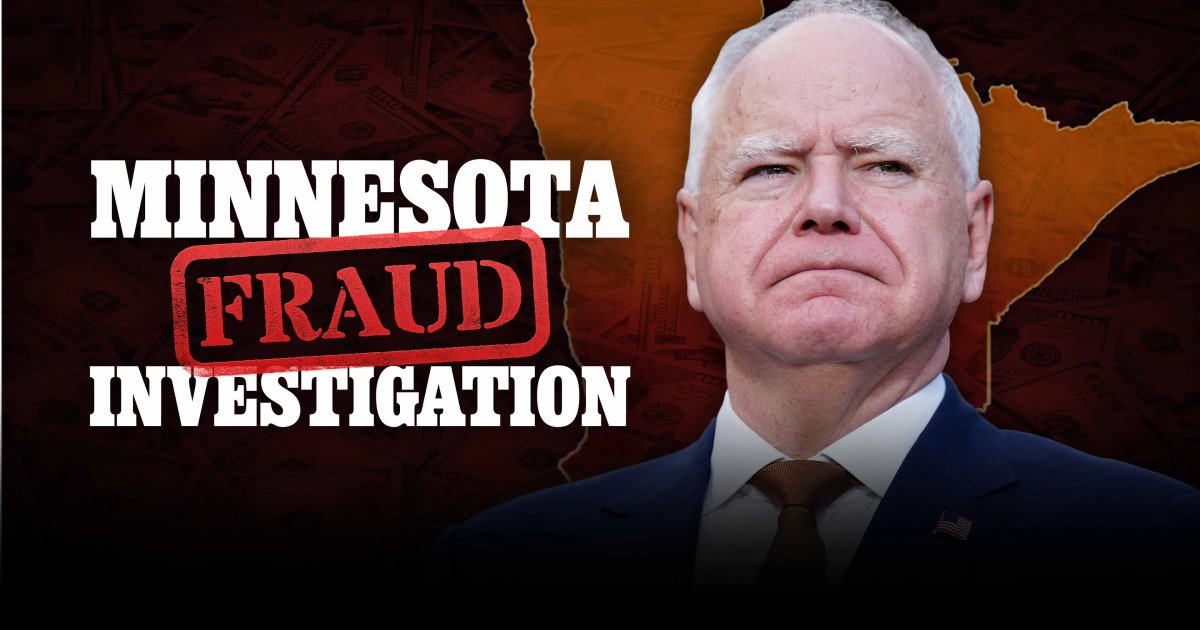
On Tuesday, U.S. authorities executed raids at 22 different locations in Minnesota as part of investigations into fraud cases related to social welfare programs. These raids occur at a sensitive time when concerns are rising about the exploitation of social support programs by certain individuals.
Agents from the Federal Bureau of Investigation (FBI) participated in these raids alongside local agencies, targeting locations associated with individuals suspected of involvement in large-scale fraud operations. This action is part of the U.S. government's efforts to combat corruption and ensure the integrity of social welfare programs.
Details of the Operation
The raids included a variety of sites, such as offices and residential apartments, where evidence was found indicating fraudulent activities through misleading information to obtain undeserved benefits. Several individuals were arrested during these operations, while investigations are ongoing to determine the extent of this network.
These raids come at a time when many U.S. states are facing financial pressures, increasing the importance of maintaining the integrity of social welfare programs. Officials have expressed concern that fraud in these programs could negatively impact the most vulnerable populations in need of support.
Background & Context
Historically, the United States has witnessed numerous cases of fraud in social welfare programs, prompting the government to enhance oversight and legal measures. In recent years, multiple steps have been taken to update the systems and technologies used in managing these programs, aiming to reduce opportunities for fraud.
Minnesota is one of the states that has seen a rise in fraud cases, making it a focal point for federal authorities. Additional resources have been directed to investigate these issues, reflecting the government's commitment to combating corruption.
Impact & Consequences
These raids represent a significant step in the U.S. government's efforts to combat fraud, as they are expected to improve trust in social welfare programs. Additionally, these operations may encourage other states to take similar actions against corruption.
While these raids may lead to arrests, they could also raise concerns among individuals who rely on these programs. Therefore, it is crucial for the government to ensure that social support programs remain accessible to those most in need.
Regional Significance
These events highlight the importance of combating corruption worldwide, including in Arab countries. Many nations face similar issues regarding the misuse of public resources, necessitating enhanced transparency and accountability.
Arab countries can benefit from American experiences in this field by developing effective mechanisms to monitor social support programs and ensure they reach the deserving.
In conclusion, the Minnesota raids represent an important step in the U.S. government's efforts to combat fraud, reflecting its commitment to protecting social welfare programs. Other countries should learn from this experience to ensure the integrity of their own programs.