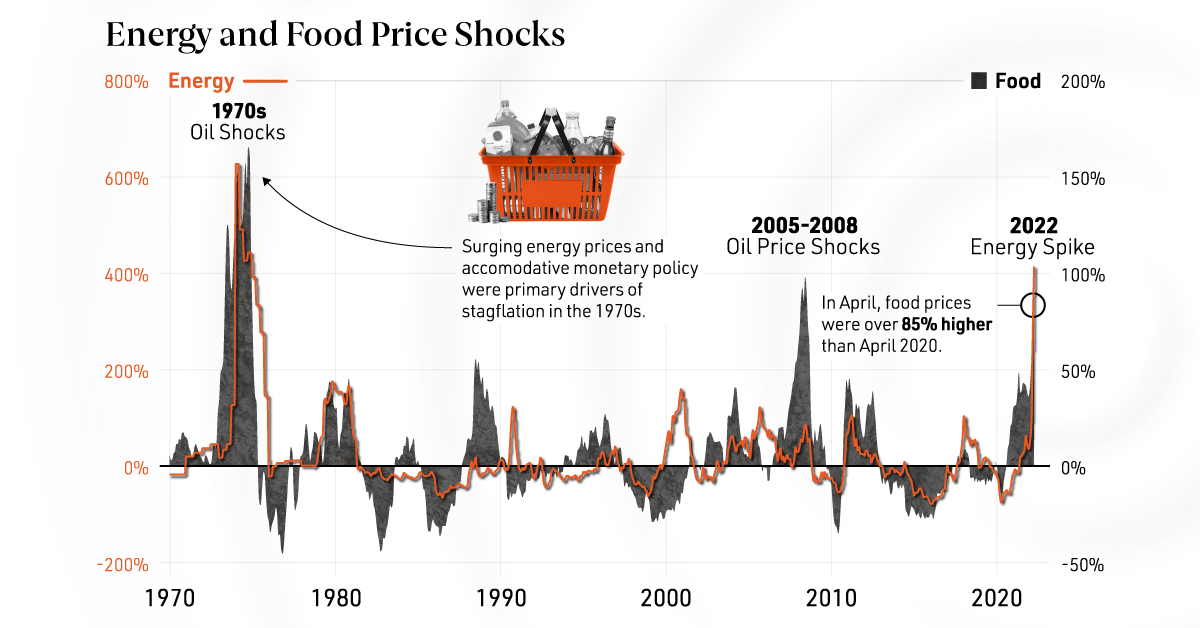
Global markets are currently in a state of anxiety due to the ongoing rise in inflation rates, coupled with sharp fluctuations in energy prices. These factors have led to economic uncertainty, prompting investors to exercise caution in their decision-making.
Attention is now focused on statements from the Chair of the U.S. Federal Reserve, Jerome Powell, which are expected to shed light on future monetary policy. These remarks come at a critical time, as investors seek to understand how they will affect interest rates and inflation.
Details of the Event
Economic data indicates that inflation in the United States has reached record levels, raising fears that the Federal Reserve may take more aggressive steps in its monetary policy. Simultaneously, energy prices have shown significant volatility, with oil and natural gas prices rising sharply, further increasing inflationary pressures.
Markets anticipate that Powell's statements will have a substantial impact on financial markets, potentially influencing investor decisions regarding stocks and bonds. Under these circumstances, there is increasing pressure on the Federal Reserve to make swift and effective decisions to address economic challenges.
Background & Context
Historically, global markets have experienced similar fluctuations during times of economic crises. In recent years, several factors have contributed to rising inflation rates, including the COVID-19 pandemic, which disrupted supply chains and increased demand for goods.
Geopolitical tensions, such as conflicts in the Middle East and the Ukraine crisis, have also contributed to rising energy prices, directly impacting the global economy. These combined factors make it difficult to predict the future of the global economy.
Impact & Consequences
If inflation continues to rise, it could lead to a slowdown in economic growth, affecting investments and jobs. Additionally, rising energy prices may increase living costs, placing further pressure on households.
Many financial institutions expect these conditions to result in greater volatility in financial markets, as investors seek to protect their assets from increasing risks. In this context, there may be a need for stimulus measures from governments to bolster economic growth.
Regional Significance
Arab countries are particularly affected by fluctuations in energy prices, as many of their economies rely on oil exports. Rising energy prices could lead to increased government revenues, but they may also cause a rise in living costs for citizens.
Under these circumstances, Arab governments need effective strategies to address inflation and ensure the stability of their economies. There should also be efforts to enhance economic diversification and reduce reliance on oil as a primary source of revenue.
The global economic situation remains complex, with many factors intertwining. Investors and analysts must closely monitor developments, especially with Powell's upcoming statements that could define the course of monetary policy in the near future.