The significant increase in fuel prices, resulting from the closure of the Strait of Hormuz, has greatly impacted low-cost airlines, prompting them to cancel a number of flights. These airlines, which represent over a third of the global market, find themselves in a difficult position due to their business model that relies on low ticket prices.
The closure of the strait, a strategic passage through which one-fifth of the world's oil and natural gas production flows, has disrupted oil supplies, causing a spike in jet fuel prices. This situation has raised concerns about a potential fuel shortage, which could force companies to make tough decisions regarding their flight schedules.
Details of the Situation
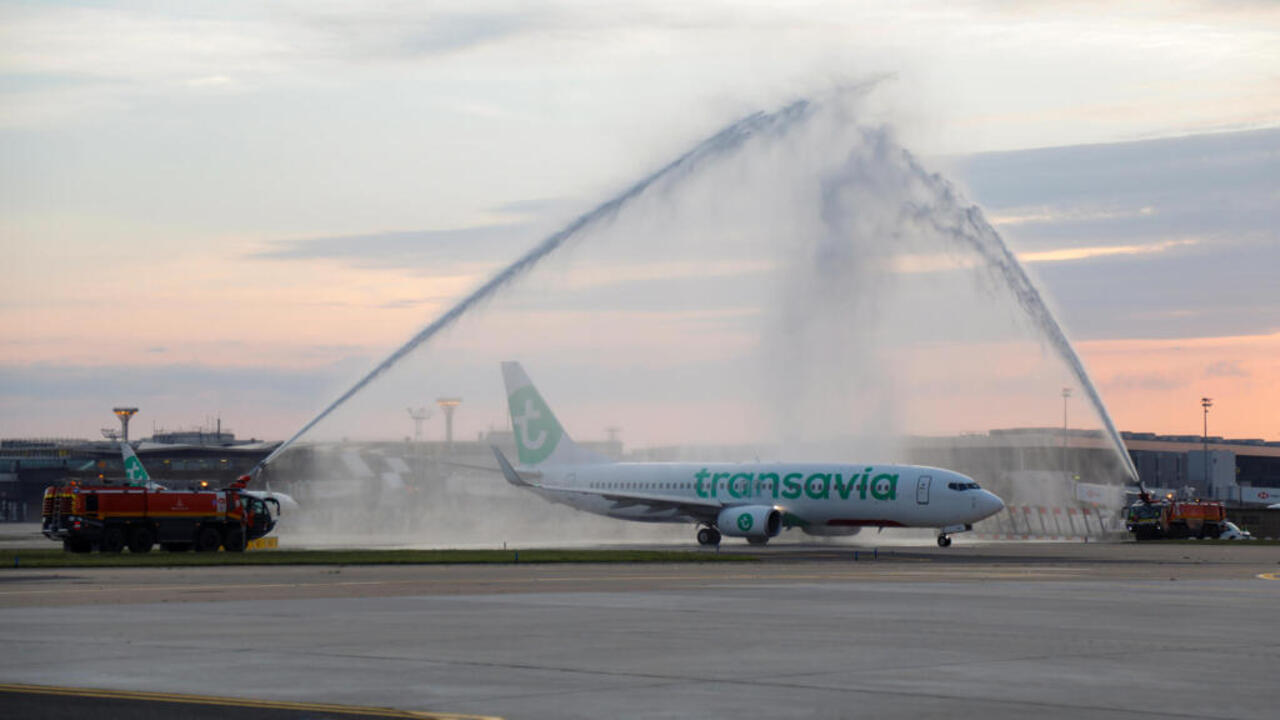
Airlines such as Ryanair, Transavia, and Volotea did not wait for a supply shortage to occur; they have already begun taking measures to mitigate the impact of the crisis. Karen Skaller, host of the Instagram show "Travel Therapy," warned travelers that airlines would be reducing the number of flights, necessitating early bookings.
Earlier this month, Ryanair's CEO, Michael O'Leary, expressed concern that rising fuel prices might lead people to postpone booking their flights, negatively affecting travel traffic. As ticket prices decline, companies find themselves unable to absorb the increase in fuel costs, which adds to the pressure on them.
Background & Context
Before the outbreak of the crisis, low-cost airlines were able to maintain profitable routes with limited margins. However, with the significant rise in fuel prices, these companies face difficult choices, especially with the summer travel season approaching. Financial analyst Dudley Shanley noted that adjusting flight schedules is not unusual at this time of year, but he warned that continued price increases might necessitate further adjustments.
The response of airlines varies based on how they secured their fuel supplies in advance. European airlines tend to do this more than their counterparts elsewhere. For instance, Canadian airline Air Transat has reduced its flight schedule by 6% from May to October.
Impact & Consequences
AirAsia, the largest low-cost airline in Southeast Asia, announced it would reduce the number of its flights, including transit flights. The Malaysian airline also announced it would raise ticket prices by up to 40% while cutting a corresponding percentage of flights. In contrast, Hungarian airline Wizz Air has not reduced its flights, as its director stated they intend to maintain their operational capacity.
On the other hand, the Lufthansa Group announced the cancellation of 20,000 flights until October, while the Air France-KLM Group reduced its flights by 2% through its low-cost subsidiary Transavia. Ryanair also announced a reduction in flights to and from Berlin due to rising costs.
Regional Significance
The Arab region is directly affected by this crisis, as low-cost airlines play a significant role in travel within the area. With rising fuel prices, Arab travelers may face difficulties booking their flights, which could impact travel plans during the summer season. These challenges may also lead to increased ticket prices, negatively affecting tourism and travel in the region.
In conclusion, it appears that rising fuel prices due to the closure of the Strait of Hormuz will continue to impact the aviation industry, placing low-cost airlines in front of significant challenges in the near future.