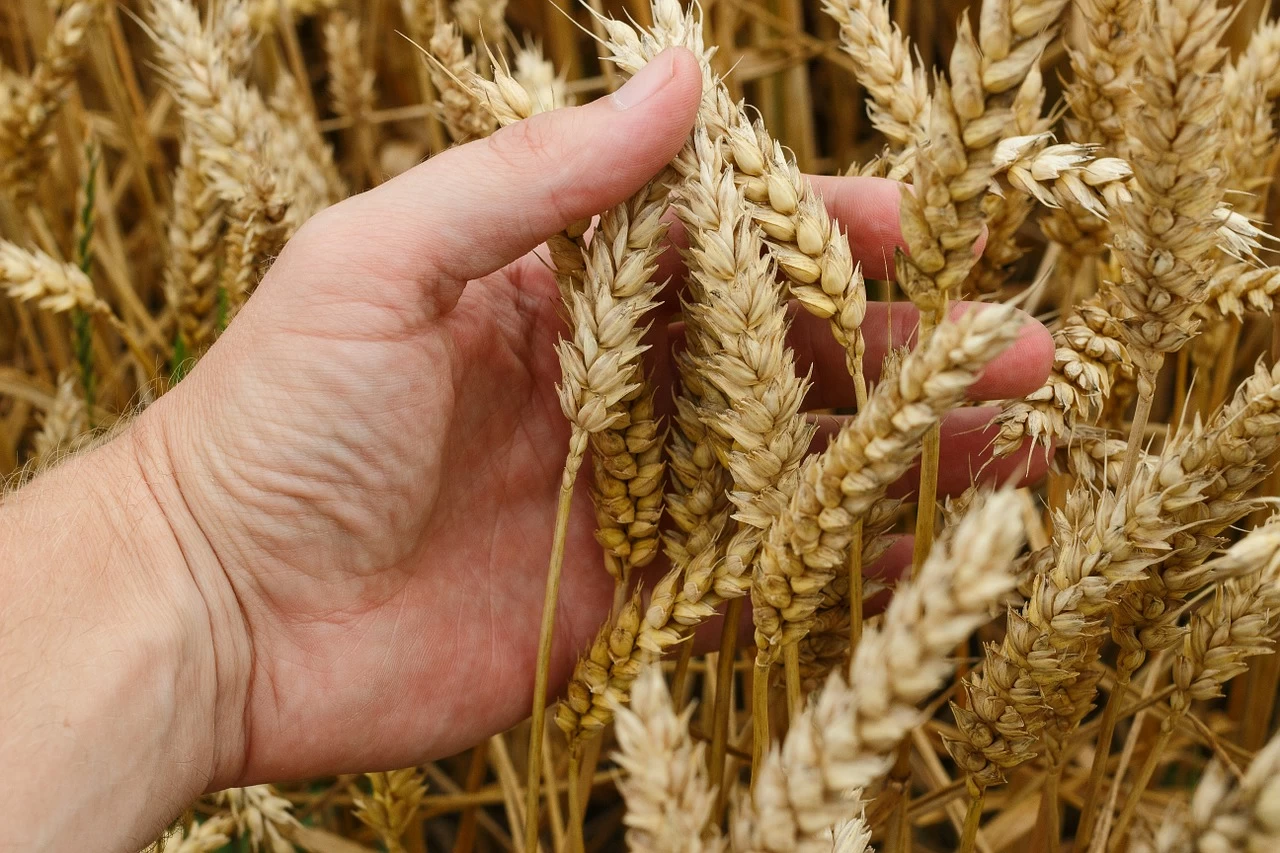
Wheat prices have risen sharply, with red winter wheat futures in Chicago increasing by 4.1%, marking the highest level since June 2024. This surge comes amid ongoing drought conditions adversely affecting crops in the United States, where wheat fields in the American plains are wilting due to a lack of rainfall.
In a related context, the U.S. Department of Agriculture has kept crop ratings unchanged, with only 30% of crops classified as good or excellent, while the percentage of wheat rated poor or very poor has increased. These figures reflect the challenging situation farmers face under severe climatic conditions.
Event Details
Reports indicate that accurately predicting the high-quality wheat harvest is difficult, but current indicators confirm it will be significantly lower than last year. Experts expect global wheat production to experience slight pressures due to rising input costs, particularly fertilizer supply issues.
These problems are exacerbated in major producing countries like Australia and Argentina, where it is anticipated that these nations will reduce their planting areas due to economic and climatic challenges. This could lead to a contraction in global wheat supply, increasing price pressures.
Background & Context
Historically, wheat prices have experienced significant fluctuations due to various factors, including climate changes and agricultural policies. The current drought affecting the United States is considered one of the main factors impacting production, as this country is among the largest wheat producers in the world.
In recent years, wheat markets have undergone substantial changes, with climatic and political crises leading to repeated price increases. These changes directly affect food security in many countries, especially those that heavily rely on wheat imports.
Impact & Consequences
The rise in wheat prices is expected to increase food costs in global markets, which will affect consumers worldwide. Countries that depend on wheat imports will face greater challenges in securing their food needs, potentially leading to increased inflation.
Moreover, these conditions may increase pressures on farmers, who may find themselves forced to reduce crop planting due to rising production costs. This situation could negatively impact the agricultural economy in producing countries.
Regional Significance
Arab countries are among the largest wheat importers in the world, with many nations relying on imports to meet their food needs. The rise in wheat prices may lead to increased food costs, adversely affecting food security in the region.
Under these circumstances, governments may need to take urgent measures to mitigate the effects of rising prices, such as supporting farmers or seeking alternative sources of wheat. This requires international coordination to ensure the stability of food markets.
In conclusion, the rise in wheat prices is an indicator of the challenges facing global markets, and concerned countries must take proactive steps to address these crises.