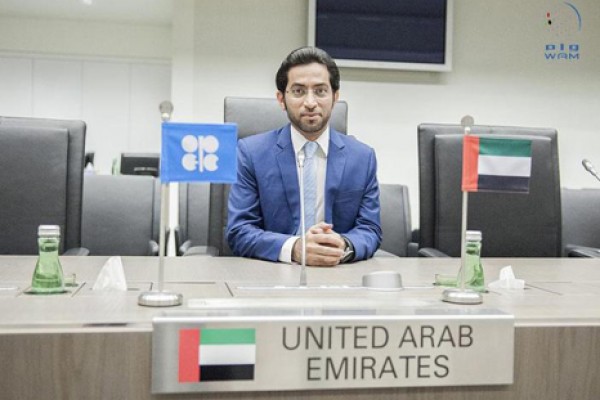
The announcement by the United Arab Emirates regarding its withdrawal from OPEC and the OPEC+ alliance has ushered the energy markets into a new phase of uncertainty. This decision, which will take effect on May 1, 2026, represents more than just a departure of a nation from two oil organizations; it raises questions about the ability of OPEC and OPEC+ to manage supply and control prices.
This move comes at a critical juncture, as the region continues to experience political and security disturbances, particularly in the Strait of Hormuz. While the UAE has reiterated its commitment to market stability and gradual production increases, the timing of the withdrawal and the size of the departing nation make this decision distinct from previous withdrawals by countries like Angola and Ecuador.
Details of the Event
Economic researcher specializing in energy affairs, Amer Al-Shoubki, believes that the UAE's withdrawal cannot simply be viewed as a departure from an oil organization; rather, it reflects a deeper struggle over who has the right to lead the oil market in the coming phase. He points out that this decision undermines one of the organization's most important assets, which is the image of cohesion and collective discipline.
The UAE is the third-largest oil producer within OPEC, and thus its withdrawal will lead to confusion and destabilization within the alliance. In recent years, the UAE has expressed its objections to OPEC+ restrictions and has demanded larger production quotas that align with its ambitions.
Background & Context
OPEC was established in 1960 and has since witnessed multiple withdrawals, but the UAE's exit comes under sensitive geopolitical circumstances. Qatar was among the countries that withdrew in December 2018, while Angola and Ecuador left for reasons related to production quotas.
OPEC alone contributes about 26% to 30% of global oil supply, while this figure rises to 48% when including non-OPEC countries like Russia. This highlights the importance of the UAE as a major producing nation in this context.
Impact & Consequences
Al-Shoubki emphasizes that the UAE's withdrawal could weaken OPEC+'s ability to manage supply, especially if Abu Dhabi decides to increase its production outside the quota system. This could lead to downward pressure on prices in global markets once conditions stabilize.
On the other hand, energy expert Mamdouh Salameh believes that the impact of the UAE's exit on OPEC's status will be limited, as the UAE will continue to produce similar quantities to what it was producing within the organization. However, any weakening of OPEC+'s coordination capacity may provide other producers with a greater opportunity to influence prices.
Regional Significance
The UAE's withdrawal raises questions about the future of cooperation among oil-producing countries in the region. This decision may encourage other countries to reconsider their commitments within OPEC, potentially altering the dynamics of the oil market.
Ultimately, the UAE's decision reflects a desire for greater independence in oil production, which may impact energy investment strategies in the Gulf. This shift could change how producing countries engage with global oil markets in the future.