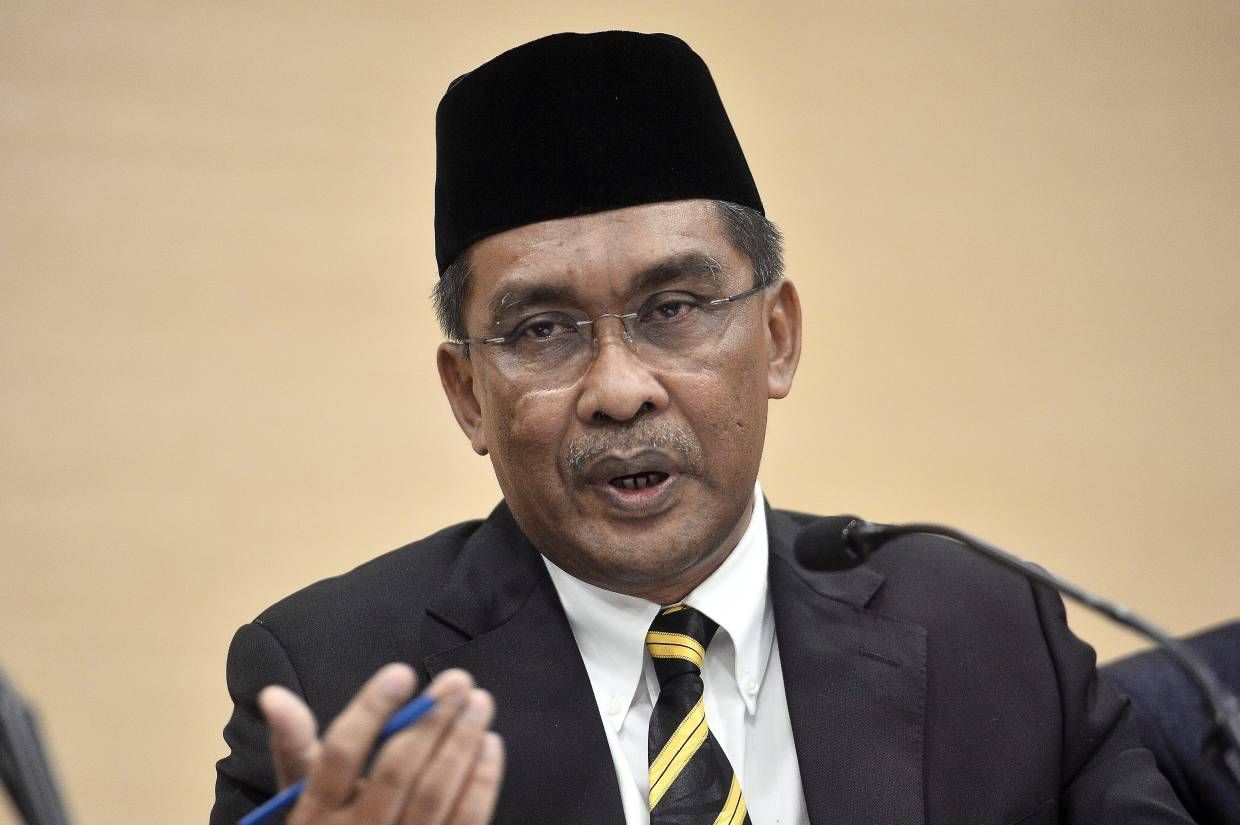
The Secretary-General of the Perikatan Nasional coalition, Datuk Seri Takiyuddin Hassan, has confirmed that the PAS party will retain the position of opposition leader in the Malaysian Parliament. He explained that this decision is part of a political leadership restructuring in the country following the recent general elections. The confirmation of this appointment is anticipated by June, which reflects the stability of the political coalition led by the party.
This move comes at a sensitive time for Malaysian politics, as PAS seeks to strengthen its position in the political arena following the mixed results achieved by parties in the recent elections. This appointment is seen as a strategic step to enhance the party's influence in Parliament and provide a strong alternative to the current government.
Event Details
During a press conference held in Kota Bharu, Takiyuddin announced that the party would name the new opposition leader in due time. He noted that the party is working to identify the right person to effectively lead the opposition. This announcement comes amid the political challenges facing the country, including economic and social issues affecting citizens.
It is worth mentioning that PAS achieved good results in the recent elections, reflecting increasing support from voters. The party is one of the major political parties in Malaysia, enjoying a broad base of support in the northern regions of the country. The party is expected to seek to enhance this support by presenting a clear vision for the opposition.
Background & Context
Historically, the PAS party is one of the oldest political parties in Malaysia, established in 1951. It has played a prominent role in shaping Malaysian politics over the decades. With the increasing political challenges, including corruption and internal divisions, the party aims to rebuild itself as a major political force.
In recent years, Malaysia has witnessed significant political changes, including shifts in government and the formation of new coalitions. These changes have contributed to creating a dynamic political environment that requires parties to reassess their strategies and set new priorities.
Impact & Consequences
The appointment of a new opposition leader from the PAS party is expected to significantly impact the political landscape in Malaysia. With a strong leader, the party can adopt a more effective strategy to confront the current government. This could lead to increased pressure on the government to meet the people's demands and improve economic and social conditions.
Additionally, this appointment may contribute to strengthening the unity of the opposition, enabling it to present a strong alternative to the government. If the party succeeds in achieving its goals, it could lead to significant changes in Malaysian politics in the near future.
Regional Significance
The political experience in Malaysia is an interesting model for many Arab countries facing similar challenges. With increasing calls for political reform and the enhancement of democracy, the PAS experience could serve as an inspiration for political parties in the region. Furthermore, strengthening the role of the opposition in Malaysia may contribute to enhancing political dialogue in Arab countries.
In conclusion, the appointment of the opposition leader from the PAS party represents an important step in reshaping the political landscape in Malaysia. This decision is expected to have wide-ranging effects on local and regional politics, reflecting the significance of the role that political parties play in promoting democracy and political participation.