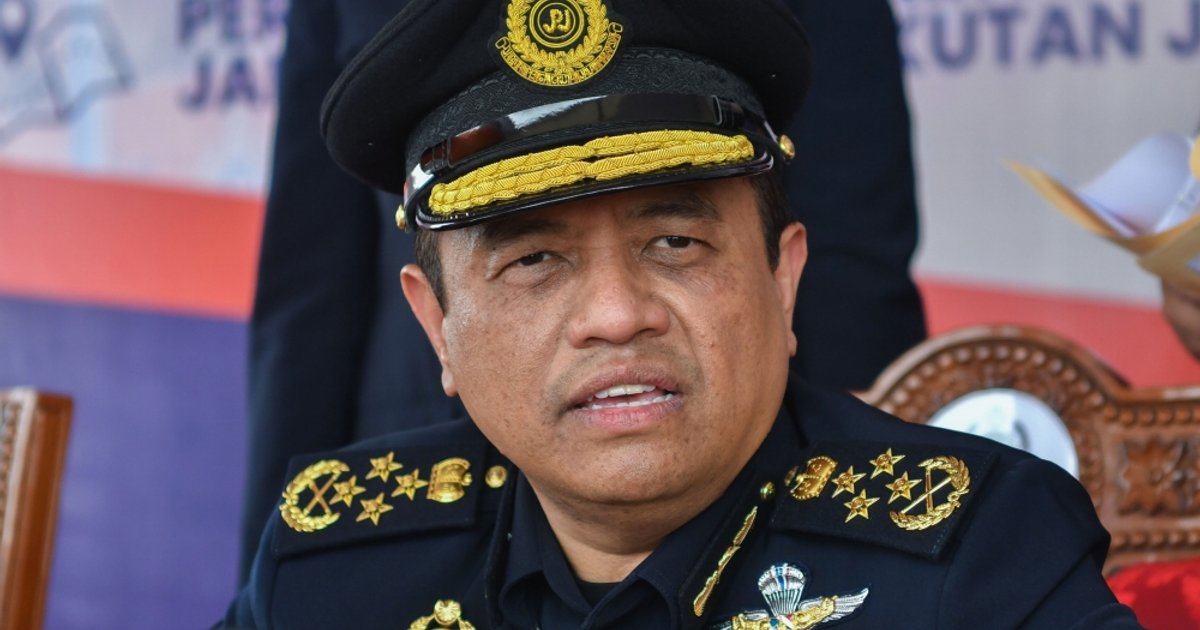
Malaysian Minister of Sabah, Dato' Sri Hajiji Noor, affirmed that Sabah's status as part of the Malaysian federation is final and internationally recognized, pointing out that claims regarding it are often used as a political tactic in the Philippines during election seasons. This statement was made during his remarks to reporters after attending the Eid al-Fitr celebration at the Sabah International Conference Centre.
Hajiji explained that these issues typically arise close to elections in the Philippines, but the people of Sabah made their decision long ago to be part of Malaysia. He emphasized that this matter is not open for discussion, noting that Malaysia is a sovereign state recognized by the United Nations.
Event Details
In his statements, Hajiji expressed concern over attempts by certain parties in the Philippines to revive claims regarding Sabah, indicating that these attempts could lead to confusion and harm the bilateral relations between the two countries. He also called on all parties to respect Malaysia's sovereignty and territorial integrity, and not to use this issue for political gain.
These remarks come at a sensitive time, as media reports indicated that Filipino Senator Robin Padilla has called on President Ferdinand Marcos Jr. to reactivate claims regarding Sabah, citing the potential presence of oil and gas resources in the state.
Background & Context
Historically, Sabah has been a subject of dispute between Malaysia and the Philippines for a long time, with the Philippines claiming that the state is part of its territory. However, Sabah's status as part of Malaysia has been recognized since 1963, a fact confirmed by the international community, including the United Nations. This dispute dates back to the colonial era when Sabah was under British control before becoming part of the Malaysian federation.
Over the years, some political parties in the Philippines have used the Sabah issue as a means to attract voters, especially during elections. However, this raises concerns in Malaysia, where any discussion of claims is seen as a threat to its sovereignty.
Impact & Consequences
These statements carry significant implications for relations between Malaysia and the Philippines, as any attempt to revive claims regarding Sabah could lead to diplomatic tensions between the two countries. This situation may also affect economic and security cooperation between them, especially amid increasing regional challenges.
Moreover, using this issue as a political tactic could lead to heightened internal tensions in the Philippines, where political parties might exploit this issue to boost their popularity at the expense of foreign relations.
Regional Significance
Considering the situation in the Arab region, this issue can serve as a lesson on how regional disputes affect international relations. Just as in Sabah, historical issues can lead to new tensions between countries, necessitating dialogue and understanding to resolve conflicts peacefully.
In conclusion, the Sabah issue remains an example of how regional matters can be used as political tools, requiring the involved countries to work on strengthening bilateral relations and avoiding escalation.