Ahmad Rizal Ramdhani, the director-general of the Indonesian Bulog company, confirmed that the storage capacity remains adequate to accommodate national rice and corn reserves during a working meeting with the agricultural committee in the Indonesian parliament in Jakarta.
Ramdhani explained that the current government rice reserves amount to approximately 4.59 million tons, with a remaining storage capacity of 1.07 million tons, allowing for optimal accommodation of local crops during the harvest season.
Details of the Meeting
During the meeting, Ramdhani noted that the Indonesian government is striving to enhance food security by ensuring sufficient reserves of rice and corn. He also added that Bulog has a network of rented warehouses with a capacity of up to 2 million tons, which strengthens its ability to store crops.
He mentioned that there are plans to build 100 new facilities to enhance post-harvest storage, in accordance with the directives of the Indonesian president, aimed at improving logistics systems and increasing the efficiency of managing national food reserves.
Background & Context
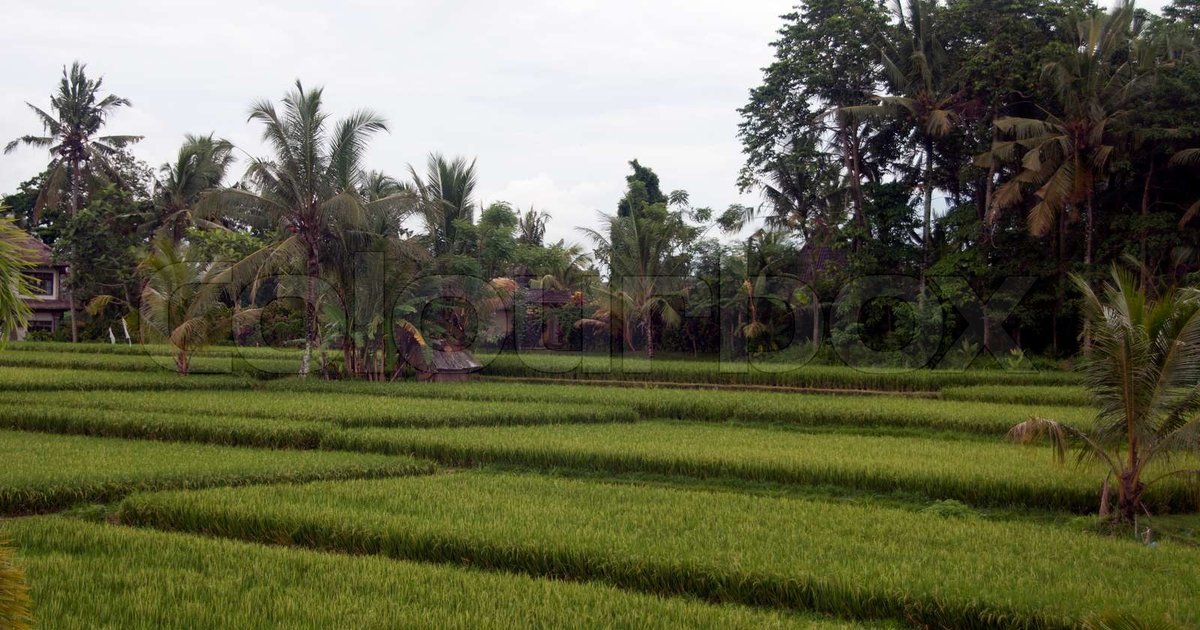
Indonesia is one of the countries that heavily relies on agriculture, with crops such as rice and corn forming an essential part of the population's diet. Historically, the country has faced challenges in securing food supplies, prompting the government to continually seek to enhance its storage capabilities.
In recent years, the government has worked on developing agricultural infrastructure, including the establishment of new warehouses and updating technologies used in farming and storage, contributing to improved productivity and ensuring the sustainability of food supplies.
Impact & Consequences
These steps reflect the Indonesian government's commitment to achieving food security, which is vital in light of climate change and global economic challenges. By enhancing storage capacity, Indonesia can avoid potential food crises and ensure price stability.
Additionally, building new facilities will contribute to creating new job opportunities, boosting the local economy, and improving the living standards of people in rural areas.
Regional Significance
Indonesia's experience in enhancing food security serves as a model that Arab countries can benefit from, as they face similar challenges in securing food supplies. Arab nations can learn from Indonesia's strategies in developing agricultural infrastructure and enhancing storage.
Given the challenges facing the Arab region in food security, cooperation among Arab countries in sharing agricultural expertise and technologies may contribute to improving the food situation in the region.