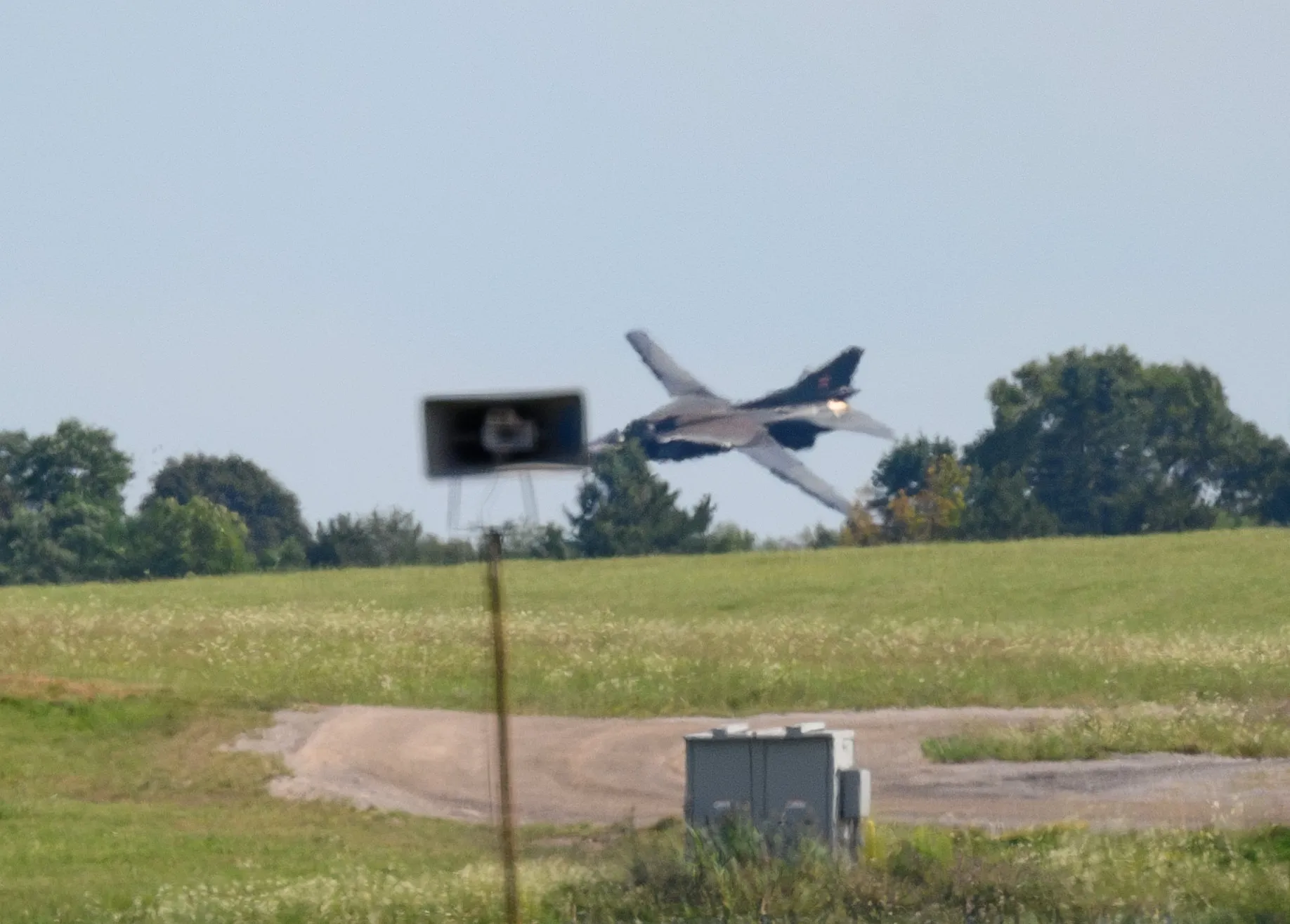
U.S. sources have officially confirmed the crash of a fighter jet in Iranian territory, raising questions about the circumstances surrounding the incident. This event occurs during a sensitive time of regional tensions, as fears of a potential military escalation in the area are increasing.
The aircraft, believed to be an F-15, crashed in a remote area of Iran, according to initial reports. No additional details regarding the cause of the crash have been disclosed, but U.S. officials have confirmed that they are investigating the incident.
Details of the Incident
Early this morning, reports emerged about the crash of a U.S. fighter jet in Iran. The incident occurred in a mountainous region, making access to the crash site difficult. Some experts have suggested that the aircraft may have experienced a technical failure, but this has not yet been confirmed.
It is noteworthy that this incident comes at a highly sensitive time, as tensions between the United States and Iran are on the rise. Relations between the two countries have been severely strained since the U.S. withdrawal from the Iranian nuclear deal in 2018, leading to an escalation of economic sanctions on Tehran.
Background & Context
Historically, U.S.-Iranian relations have witnessed numerous crises, ranging from the hostage crisis in 1979 to military conflicts in Iraq and Syria. This background complicates the recent incident, as it could significantly impact regional dynamics.
In recent years, there have been increasing reports of Iranian military activities in the region, including support for militias in Iraq and Syria. This activity has raised concerns among the United States and its allies, leading to an increased U.S. military presence in the area.
Impact & Consequences
The crash of the aircraft could lead to heightened tensions between the United States and Iran, as Tehran may use the incident as a pretext to bolster its military position. In turn, the United States may feel pressured to respond, increasing the risk of military escalation.
Any U.S. reaction could have far-reaching implications, not only for bilateral relations but also for regional stability. Should tensions escalate, we could witness impacts on oil prices and financial markets, as well as potential humanitarian repercussions.
Regional Significance
The impact of the incident will not be limited to U.S.-Iranian relations but may also extend to neighboring Arab countries. Many nations in the region are closely monitoring the situation, as any escalation could affect their security and stability.
The incident may also evoke memories of previous events in the region, such as attacks on commercial vessels in the Gulf, increasing the risks of conflict in regional waters.
In conclusion, the situation in the region remains tense, and the crash of the U.S. fighter jet in Iran could be a turning point in U.S.-Iran relations, warranting close attention from all concerned parties.