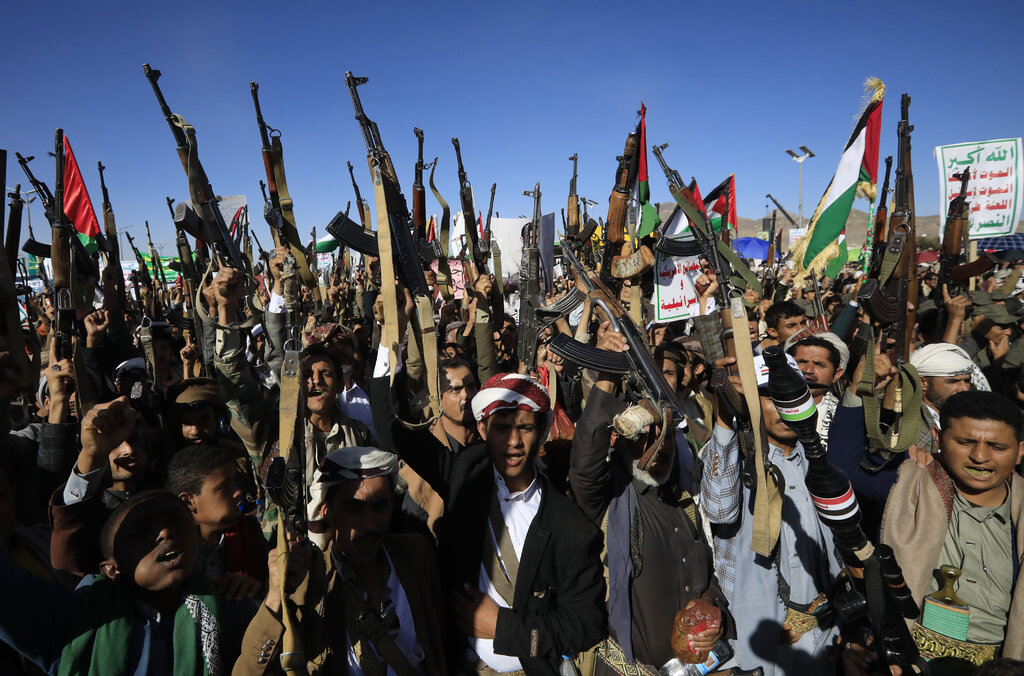
Mustafa Bakri, a member of the Egyptian Parliament, asserts that the ground war in Iran has been decisively resolved, marking a critical turning point in the region. He highlights that recent developments indicate a significant escalation in the situation, necessitating the international community's attention.
Bakri's statements come at a sensitive time for the region, where military and political tensions are escalating in several countries, raising concerns about the implications of these situations on regional and international security.
Details of the Event
In his remarks, Bakri pointed out that developments in Iran confirm that matters are heading towards military escalation, which could have far-reaching effects. The country has recently witnessed intense military movements, reflecting preparations to confront any potential threats. He also added that these circumstances could lead to radical changes in the balance of power in the region.
Bakri also discussed the impact of these events on international relations, emphasizing that major powers must intervene urgently to prevent the situation from worsening. He called for dialogue and negotiation as a means to resolve conflicts rather than military escalation.
Background & Context
Historically, Iran has experienced numerous political and military crises, always being at the heart of regional conflicts. Since the Islamic Revolution in 1979, Iran has become a key player in regional politics, making it a target for many Western and Arab countries. These dynamics have contributed to the escalation of military tensions in the area.
In recent years, tensions between Iran and the United States have intensified, especially following Washington's withdrawal from the nuclear agreement in 2018. These steps have led to an escalation of the situation, making the region more susceptible to military conflicts.
Impact & Consequences
The military escalation in Iran could significantly affect regional security, potentially leading to new armed conflicts in the area. Any escalation may also reflect on oil prices and global financial markets, increasing economic pressures on the involved countries.
Moreover, the escalation in Iran could lead to increased tensions among major powers, creating an unstable environment that hinders peace and stability efforts in the region.
Regional Significance
For Arab countries, the situation in Iran represents a major source of concern. Military tensions could have negative repercussions on the national security of neighboring countries, necessitating enhanced security cooperation among these nations to face common challenges.
Additionally, any escalation in Iran could affect relations between Arab countries and Iran, complicating the political landscape in the region. Therefore, dialogue and understanding among the different parties are essential to avoid further escalation.
In conclusion, Mustafa Bakri's statements represent a call for serious consideration of how to address the tense situations in Iran, as peace and stability in the region depend on the ability of the involved parties to overcome differences and seek peaceful solutions.