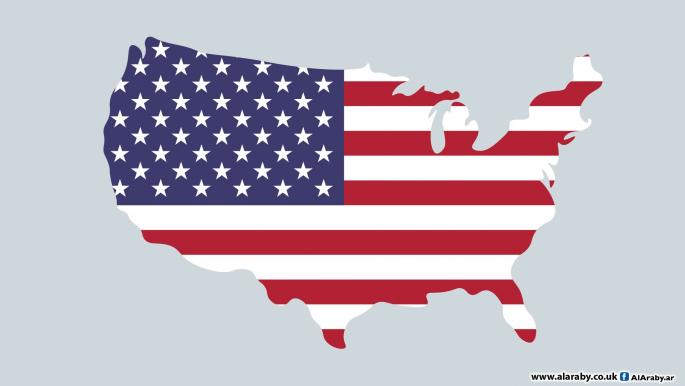
The United States of America is considered one of the greatest global powers; however, the consequences of the wars it has engaged in over the past two decades have profoundly impacted its image and position in the international system. America's losses extend beyond the economic or military costs of wars, reaching its reputation once regarded as a paragon of institutional quality, discipline, and transparency.
In light of current events, the wars America has participated in, whether in Iraq or Afghanistan, have showcased significant weaknesses in its military and psychological strategies. The repercussions are evident on the image of a state that sought to promote its democratic model as the most progressive in history.
Event Details
America has incurred losses estimated in the hundreds of billions of dollars amid various military operations, in addition to the lives lost during the conflicts. The war in Iraq, for instance, does not only represent a military challenge but also, for many, a setback in the ability of the American administration to present a model worthy of emulation in the areas of nation-building and achieving stability.
Political and social changes in the Middle East have produced an unstable environment, placing other political actors, such as Russia and China, in strong competitive positions against America. These nations are increasingly portraying themselves as potential partners capable of aiding countries that have suffered from America's wars, adding a new dimension to strategic transformations in the world.
Context & Background
In recent years, America has suffered from a disintegration of trust in its role as a supporter of democracy worldwide, a cornerstone of its foreign policy for decades. Events like the Iraq crisis of 2003 and Afghanistan, along with a withdrawal that was viewed as abrupt, have played a crucial role in weakening its traditional standing. Furthermore, contradictions in domestic policies and foreign trends have complicated the landscape.
In addition to these staggering costs, pressure has increased from voices within American society calling for a reassessment of the country's role on the global stage and an emphasis on the democratic values that have been ignored abroad.
Consequences & Impact
These events have collectively eroded foreign confidence in America's ability to lead the global system. This has raised questions about the legitimacy of its policies and its capacity to achieve peace. The rhetoric of some world leaders has significantly challenged American hegemony, redrawing the map of alliances.
Transcending borders, these events bolster the populist trends that are gaining popularity, which threaten to sustain chaos in the international system and indicate a period of instability that may affect peace and security in numerous regions.
Impact on the Arab Region
In the Arab world, the consequences of American interventions serve as a constant reminder of the human costs paid without achieving the stated objectives. Several countries, particularly in the Middle East, are witnessing the aftermath of wars in the form of escalating violence and instability. The economic and social effects have left many alienated from the systems supported by America, branding them as failures.
Beyond that, these events could serve as a lesson for Arab nations in understanding the dynamics of power and its effects on their domestic and regional policies, potentially leading to a need for alternative strategies that achieve security and stability without relying on great powers.
In conclusion, reflecting on the current American landscape and its consequences is not merely an exploration of historical facts but a call to look toward the future, where there is an emerging need for new checks that reshape the global situation in line with human values.