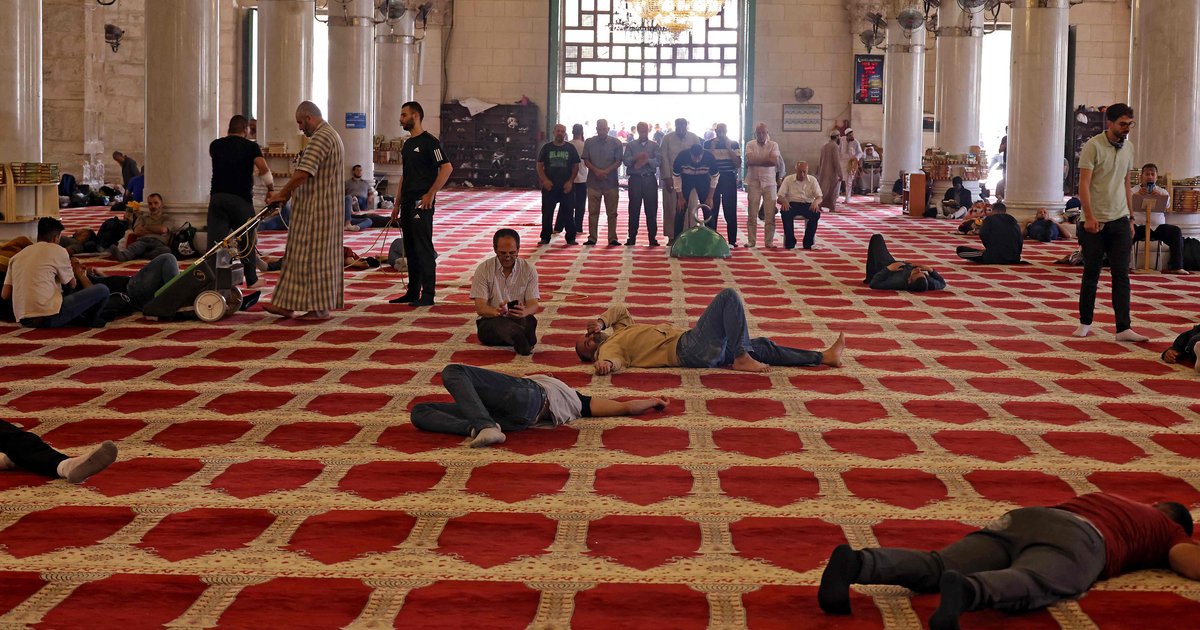
The Israeli occupation continues to close the doors of Al-Aqsa Mosque for the twenty-ninth day, raising increasing concerns among Palestinians and international observers. This closure comes amid escalating tensions in the holy city, where Al-Aqsa is considered an important religious and cultural symbol for Palestinians and Arabs.
There are growing fears that these measures will exacerbate the situation, especially with increasing calls from extremist groups to storm the mosque. In recent days, confrontations between Palestinians and occupation forces have resulted in numerous injuries and arrests.
Details of the Event
The closure operations imposed by the occupation forces on Al-Aqsa Mosque have continued since the beginning of last month, with doors closed to worshippers and their entry into the mosque courtyards prohibited. This measure is seen as part of the occupation's policy aimed at controlling Islamic holy sites in Jerusalem.
At the same time, local sources reported that the occupation forces have reinforced their military presence around Al-Aqsa, further heightening tensions in the area. The closure of Al-Aqsa has been announced amid fears of new confrontations in the coming days, especially with the approach of Jewish holidays, which usually witness an escalation in incursions.
Background & Context
Historically, Al-Aqsa Mosque is considered one of the holiest places in Islam and is central to the Palestinian-Israeli conflict. Since the occupation of Jerusalem in 1967, the holy city has witnessed numerous tensions and confrontations, as the occupation seeks to impose its control over Al-Aqsa through strict security measures.
In recent years, incursions by Israeli settlers have escalated, leading to angry reactions from Palestinians. These incursions have resulted in violent confrontations, complicating the security situation in the city.
Impact & Consequences
These measures affect the security and social situation in Jerusalem, where Palestinians are concerned about losing control over their holy sites. Furthermore, the continued closure of Al-Aqsa may lead to an escalation of confrontations between Palestinians and occupation forces, threatening stability in the region.
Moreover, these events raise concerns in the international community, as many countries and organizations have called for the need to respect the rights of Palestinians and their right to worship. Human rights reports have emphasized the necessity of opening Al-Aqsa to worshippers, warning of the implications of the closure on peace in the region.
Regional Significance
The events at Al-Aqsa Mosque have a significant impact on the situation in the Arab region, stirring feelings of anger and solidarity with the Palestinians. Many Arab countries have witnessed solidarity protests with Palestinians, reflecting the importance of Al-Aqsa in the Arab consciousness.
Additionally, the continued tensions in Jerusalem may affect relations between Arab countries and Israel, as these events are viewed as part of the broader conflict between Palestinians and Israelis. In light of these circumstances, hope remains pinned on international peace efforts to end this conflict and achieve justice for the Palestinians.