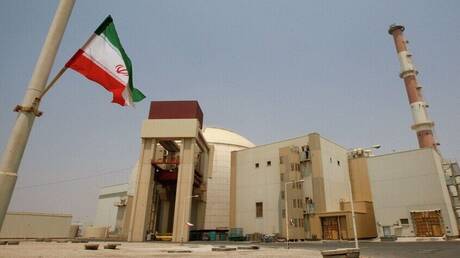
A senior Israeli official revealed to the Times of Israel that there was prior coordination with the United States before announcing a two-week ceasefire with Iran. This move is part of diplomatic efforts aimed at easing regional tensions.
The announced ceasefire is considered a significant step in the relations between Iran and Western countries, coming after a long period of escalation and military tensions. The coordination between Israel and the United States reflects the importance of cooperation between the allies in facing security challenges in the region.
Details of the Event
According to the Israeli official, the coordination with Washington included discussions on how to manage the ceasefire and its impact on security conditions in the region. The ceasefire comes at a sensitive time, as relations between Iran and the West have witnessed severe tensions in recent months, raising fears of potential military escalation.
The two-week ceasefire aims to provide an opportunity for diplomatic efforts, with observers hoping it will pave the way for further talks on outstanding issues between Iran and Western countries. This development occurs amid the international community's pursuit of peaceful solutions to ongoing conflicts.
Background & Context
Historically, relations between Iran and Western countries have experienced significant fluctuations, with periods of cooperation and others of tension. The Iranian nuclear agreement reached in 2015 was a turning point, but it collapsed after the United States withdrew from it in 2018. Since then, tensions have notably increased.
Israel, which views Iran as an existential threat, has always been cautious of any rapprochement between Iran and Western countries. The coordination with the United States reflects Israel's concern that any agreement might weaken its security position in the region.
Impact & Consequences
The ceasefire could lead to a shift in regional dynamics, potentially opening the door for more discussions on security and economic issues. If the ceasefire succeeds, it may contribute to easing tensions between Iran and Western countries, which could positively reflect on the stability of the region.
However, there are concerns that any agreement may not be sustainable, especially given the continued Iranian military activities in the region. The challenges to achieving peace remain, requiring ongoing efforts from all parties involved.
Regional Significance
The ceasefire with Iran could directly affect Arab countries, particularly those sharing borders with Iran or influenced by its interventions in internal affairs. Gulf countries, in particular, are closely monitoring the developments, as Iran is considered a key player in regional conflicts.
If the ceasefire succeeds, it could help improve relations between Iran and Arab countries, potentially leading to greater stability in the region. However, the biggest challenge remains how to address Iranian influence in Iraq, Syria, and Lebanon.
In conclusion, the Israeli-American coordination before announcing the ceasefire with Iran represents a strategic step aimed at achieving stability in the region. It remains to be seen how events will unfold in the coming days and weeks.