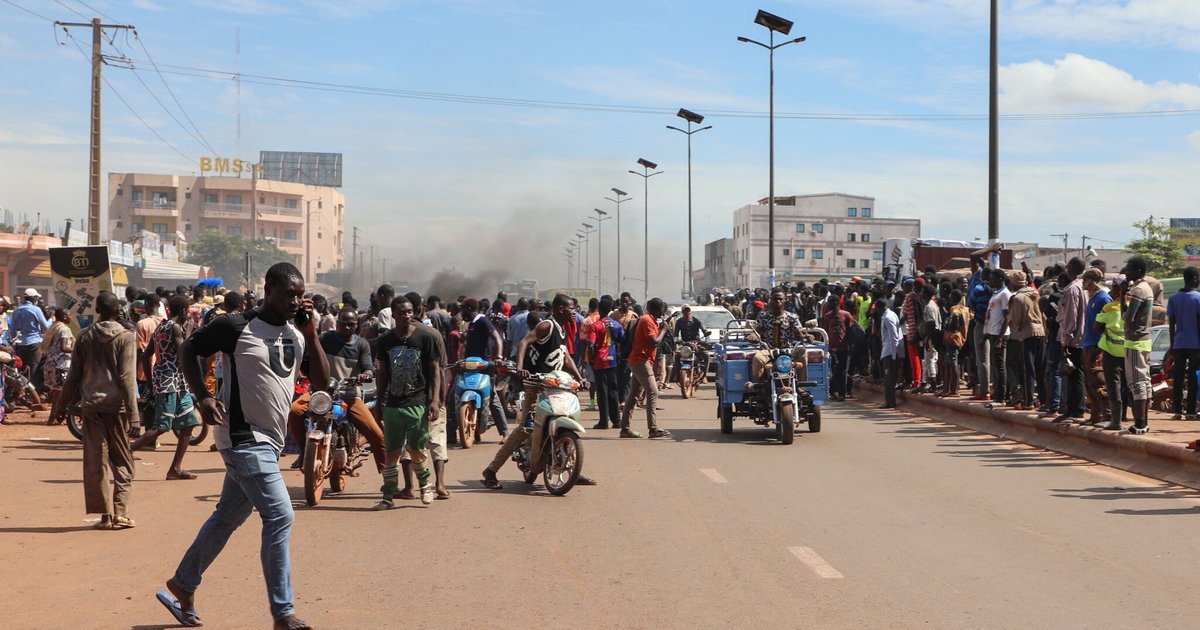
Mali has recently witnessed a marked escalation in coordinated attacks targeting military bases, raising considerable alarm regarding the security situation in the country. These assaults, believed to be carried out by armed groups, occur at a critical juncture as the government strives to restore order following years of chaos.
In recent days, several military bases across different regions of the country have been attacked, resulting in casualties among armed forces personnel. These incidents reflect the substantial challenges the Malian government faces in combating extremist groups that exploit the prevailing disorder to achieve their objectives.
Details of the Attacks
The recent attacks were executed using sophisticated methods, with armed groups employing heavy weaponry and explosives to target military installations. Reports indicate that these assaults are not random; rather, they have been meticulously planned to exploit vulnerabilities in military defenses.
These developments coincide with rising tensions in the African Sahel region, where numerous extremist groups are active. The Malian government, grappling with resource shortages, finds itself in a precarious position in confronting these escalating security challenges.
Background & Context
Historically, Mali has faced numerous security crises since 2012, when a rebellion in the north led to armed groups seizing control of vast territories. Despite the intervention of international forces, the security situation remains fragile, allowing extremist groups to expand their influence.
Mali is a strategic point in the Sahel region, where various international and local interests intersect. This complexity makes it difficult for the Malian government to achieve stability, especially amid the economic and social challenges it faces.
Impact & Consequences
These attacks significantly affect stability in Mali, potentially leading to an escalation of violence and increased divisions among different factions. Furthermore, the deterioration of security conditions may hinder development efforts and exacerbate the suffering of civilian populations.
Moreover, the rise in violence in Mali could negatively impact neighboring countries, as chaos may spread to other areas in the African Sahel, complicating the security landscape in the region.
Regional Significance
The situation in Mali is part of broader security challenges facing the Sahel region, which has direct implications for regional security. Arab countries, particularly those with interests in the area, must remain aware of these developments and work to enhance security cooperation to address common threats.
In conclusion, the situation in Mali remains concerning, with an urgent need for effective strategies to tackle the increasing security challenges. It is crucial for the Malian government to collaborate with the international community to achieve stability and peace in the country.