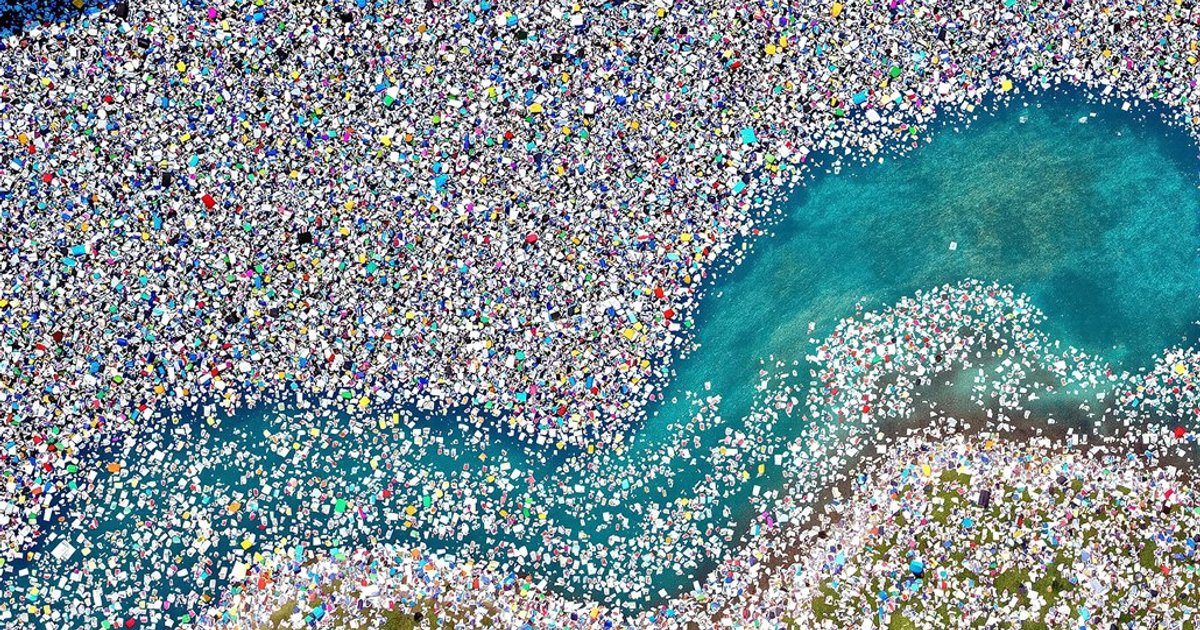
The UK’s largest poultry production company, alongside a water company, is facing allegations of causing pollution in the Wye, Lugg, and Usk rivers. This case is considered one of the largest environmental lawsuits in UK history, with more than 4500 local residents joining the claim.
The lawsuit includes accusations that the pollution in the rivers is a result of chicken manure spreading on agricultural land, in addition to sewage leaks. The plaintiffs are demanding action to improve the rivers' conditions and compensation for those affected by the water pollution.
Details of the Case
The affected rivers, particularly the Wye, are among the longest and most famous in the UK. Local residents have reported a green discoloration of the water during the summer, leading to unpleasant odors. Justin Evans, the lead claimant, stated that the current state of the river does not reflect its natural condition, prompting them to take legal action.
Concerns are growing regarding the impact of industrial farming on the environment, with an estimated 24 million chickens raised in the Wye Valley, representing a quarter of the total chicken population in the UK. The lawsuit accuses the involved companies of negligence and causing public and private nuisance.
Background & Context
Historically, farming in the Wye Valley has relied on using chicken manure as a cheap fertilizer, but this has led to nutrient runoff into the rivers, causing increased levels of phosphorus and nitrogen. In 2023, Natural England classified the state of the Wye River as "unfavorable - deteriorating," indicating that agriculture and climate change are the main causes of water quality degradation.
The defendant companies, including Avara Foods, are defending themselves by stating that the allegations are not based on strong scientific grounds and that river quality is affected by multiple factors. However, the plaintiffs insist that the companies were aware of the impact of their operations on the environment.
Impact & Consequences
This case marks a significant milestone in how the UK addresses environmental pollution issues, as it may lead to changes in legislation related to agriculture and industry. Additionally, this case could affect the future of industrial farming in the country, as the plaintiffs demand that companies be held accountable for environmental damages.
Moreover, the deterioration of water quality impacts wildlife and economic activities such as fishing, with the Wye River experiencing a sharp decline in salmon populations, threatening this traditional industry.
Regional Significance
This lawsuit underscores the environmental challenges faced by industrial agriculture and its impact on water resources. It highlights the urgent need for sustainable farming practices that do not compromise the health of vital ecosystems.
As the case unfolds, it may set a precedent for future environmental litigation in the UK, emphasizing the importance of protecting natural resources for future generations.