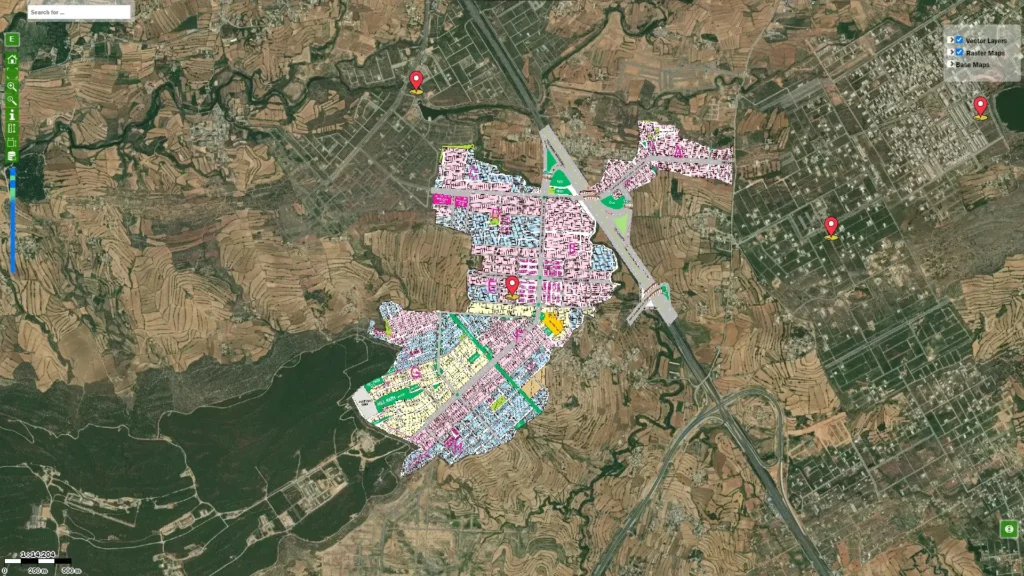
Islamabad is preparing to host a prominent negotiation table that brings together representatives from different countries, aiming to enhance regional and global balance. This event occurs during a time when the world is experiencing complex geopolitical changes, making diplomatic dialogue more crucial than ever.
The agenda of the meeting includes discussions on a range of vital issues, including regional security, economic cooperation, and environmental challenges. Participants are also seeking to find common solutions that promote stability in the region and contribute to sustainable development.
Event Details
The negotiation table will feature a series of discussion sessions led by prominent experts and diplomats. The discussions are expected to focus on how to enhance cooperation among participating countries, particularly in the areas of security and trade. Hot topics such as regional conflicts and their impact on global stability will also be addressed.
This meeting is part of Islamabad's efforts to strengthen its role as a mediator in regional and international issues, as it seeks to present itself as a platform for constructive dialogue. Several major countries and influential players on the international stage have been invited to participate in these discussions.
Background & Context
Historically, Islamabad has been a center for numerous regional negotiations, playing a pivotal role in addressing security and economic issues. In recent years, the city's importance as a negotiation destination has increased, especially amid rising tensions among major powers.
This negotiation table comes at a sensitive time, as challenges facing the international system are escalating, including armed conflicts, economic crises, and climate change. Therefore, dialogue among nations becomes an urgent necessity to achieve stability.
Impact & Consequences
The outcomes of these negotiations are expected to shape the contours of regional and international policy in the near future. If tangible agreements are reached, this could lead to improved relations among participating countries and enhanced regional security.
Furthermore, the success of these negotiations may encourage other countries to engage in similar dialogues, contributing to building a more stable and cooperative international environment. Conversely, failure to make progress could exacerbate existing crises and increase tensions.
Regional Significance
The Arab region is part of the broader geopolitical landscape and is directly affected by developments in South Asia. Therefore, the results of these negotiations may have implications for security and stability in Arab countries, especially those experiencing internal conflicts or tensions with their neighbors.
Moreover, enhancing cooperation among countries could open new avenues for trade and investment in the region, benefiting Arab economies.
In conclusion, the negotiation table in Islamabad presents an important opportunity to enhance dialogue among nations and provide innovative solutions to current challenges. The success of these negotiations could contribute to building a more stable future for the region and the world.