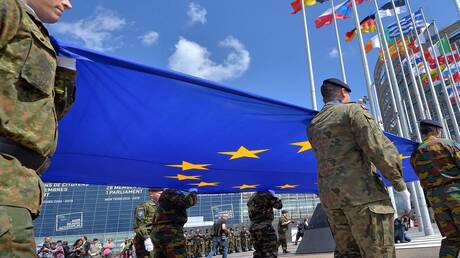
The Stockholm International Peace Research Institute has revealed that global military spending is set to reach a record high in 2025, marking the eleventh consecutive year of increases. This surge is attributed to ongoing wars and escalating geopolitical tensions, reflecting a significant shift in the priorities of countries worldwide.
Reports indicate that many nations, particularly in Europe, have significantly increased their defense budgets. This trend reflects growing concerns over security threats, whether traditional or non-traditional, placing countries in front of new challenges that require effective and swift responses.
Details of the Event
According to the institute, global military spending has reached unprecedented levels, with military expenditures in some European countries surpassing figures recorded in previous years. This trend is a direct response to regional and international crises, including armed conflicts and humanitarian emergencies.
Data also shows that major powers such as the United States, Russia, and China continue to lead the list of the largest defense spenders, but European nations are rapidly catching up, raising questions about the future of regional and international security.
Background & Context
Over the past decade, the world has witnessed a rise in armed conflicts, from the turmoil in the Middle East to tensions in the South China Sea. These crises have heightened awareness of the importance of bolstering military capabilities, prompting countries to reassess their defense strategies.
In recent years, many European countries have begun to increase their military budgets, driven by the urgent need to address rising threats from Russia, as well as challenges stemming from terrorism and illegal immigration. These dynamics place additional pressures on national budgets, raising concerns among citizens about government spending priorities.
Impact & Consequences
The continuous increase in military spending may lead to significant changes in global defense policies. These trends are likely to affect international relations, as countries may seek to strengthen their military alliances to confront common threats.
Moreover, these increases in spending could exacerbate humanitarian crises in certain regions, as resources are diverted from social development to enhance military capabilities. Such dynamics may intensify tensions between nations, increasing the likelihood of conflicts erupting.
Regional Significance
In the Arab region, these developments could significantly impact security and stability. Arab countries experiencing internal conflicts or regional tensions may find themselves compelled to increase their military spending to address rising threats.
Furthermore, increased military spending in neighboring countries could lead to an arms race in the region, complicating security situations and adversely affecting peace and development efforts.
In conclusion, the ongoing rise in global military spending reflects a shift in the security priorities of nations, necessitating the international community to consider new strategies to promote peace and security worldwide.