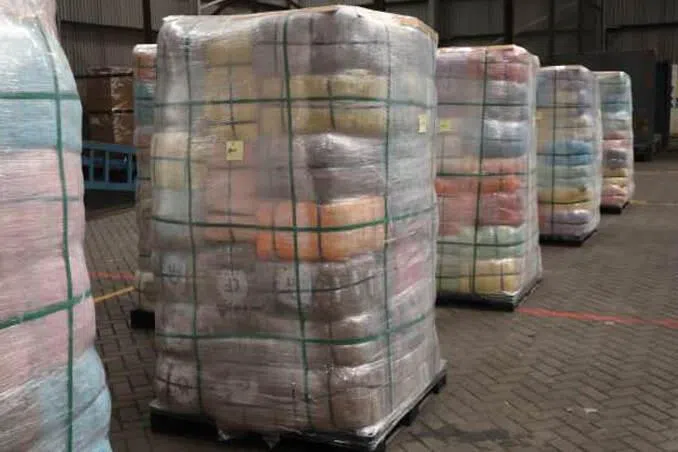
In a significant step towards combating drug trafficking, British authorities revealed the success of a joint operation with other nations, which thwarted the distribution of massive quantities of drugs within the United Kingdom. This operation reflects the increasing international cooperation in addressing the challenges of drug smuggling, which has become a major threat to public safety.
The operation, coordinated with several countries, resulted in the seizure of large amounts of drugs intended for distribution in British markets. This operation is considered one of the largest conducted in recent years, demonstrating the ongoing efforts of authorities to combat this phenomenon.
Details of the Operation
The operation was executed in collaboration with law enforcement agencies in Britain and other countries, involving the exchange of intelligence and coordination of efforts to apprehend those involved. The operation led to the arrest of several suspects believed to be part of a complex international network engaged in drug trafficking across borders.
The operation also included thorough inspections of locations suspected of being used for drug storage, resulting in the seizure of significant quantities of narcotics. These substances included various types of drugs commonly used in British markets, highlighting the importance of this operation in protecting the community.
Background & Context
Drug trafficking is one of the largest challenges facing many countries worldwide, negatively impacting social and economic security. In recent years, drug smuggling operations have significantly increased, prompting countries to enhance their cooperation to tackle this phenomenon.
Historically, Britain has been one of the countries that experienced a rise in drug abuse rates, making it a primary target for smuggling networks. With the growing awareness of the health and social risks associated with drug use, the British government has begun to take stringent measures to combat this issue.
Impact & Consequences
This operation is viewed as a positive step towards reducing the impact of drug trafficking on British society. By thwarting the distribution of these large quantities, authorities can contribute to lowering crime rates and drug use in the country.
Furthermore, the international cooperation demonstrated among countries underscores the importance of collective action in addressing global challenges. This operation may encourage other nations to strengthen their collaboration in drug enforcement, potentially leading to positive outcomes worldwide.
Regional Significance
Drug trafficking is not a phenomenon limited to Western countries; it also affects the Arab region. Many Arab nations face similar challenges in combating drug smuggling, necessitating enhanced regional and international cooperation to address this issue.
Successful experiences like this operation in Britain can serve as a model for Arab countries in their efforts to combat drugs. By exchanging information and expertise, Arab nations can bolster their capabilities in facing these challenges.
In conclusion, this operation represents a crucial step in the fight against drugs and emphasizes the importance of international cooperation in addressing shared challenges. Countries must continue to strengthen their efforts to combat drug trafficking and protect communities from its negative effects.