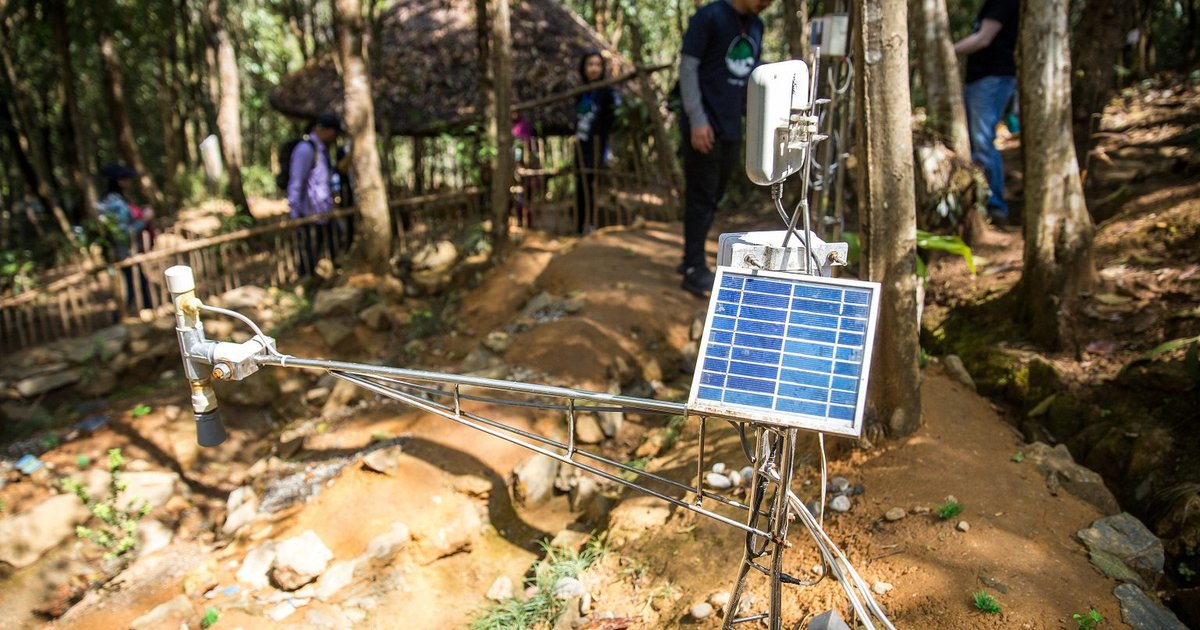
The Indonesian National Disaster Management Agency (BNPB) has announced the launch of a flood early warning system in Banda Aceh, designed to enhance coordination between local authorities and communities. This system is intended to empower officials to take swift and effective action during emergencies, helping to save lives and reduce damage.
During a press conference in Jakarta, the head of the agency's data, information, and communication center, Abdul Mahari, explained that the new system allows for the connection of data from field sensors to control panels, facilitating quick access to necessary information for officials in neighborhoods and villages.
Details of the Event
The early warning system includes five sensitive units for monitoring floods, installed in strategic locations such as Putro Vhang Park, Qutabank, Indra Buri, and the KM 0 area. These units provide real-time data on water levels, allowing officials to issue immediate instructions to residents in case of danger.
Through this system, neighborhood heads (RT) and council heads (RW) will be able to direct residents to evacuate more quickly upon receiving instructions from local authorities, based on information collected from sensors and surveillance cameras.
Background & Context
Indonesia is one of the countries most prone to natural disasters, including floods and earthquakes. Historically, the country has experienced numerous disasters that have resulted in loss of life and property destruction. Therefore, developing early warning systems is a vital step in enhancing the country's capacity to face these challenges.
This initiative is part of the Indonesian government's efforts to improve its disaster response, as floods represent one of the main threats facing local communities. The new system reflects the government's commitment to strengthening the necessary infrastructure to protect citizens.
Impact & Consequences
The early warning system is expected to improve the effectiveness of disaster response, thereby reducing potential damages. This system also enhances the local community's ability to handle crises, as it provides essential information in a timely manner.
The speed of information transfer is a critical factor in disaster management, as any delay can lead to dire consequences. Therefore, having an integrated system that ensures a smooth flow of information is essential.
Regional Significance
Many Arab countries face similar challenges in the area of natural disasters, such as floods and storms. Indonesia's experience in developing early warning systems can serve as a model for the region. Strengthening coordination between local authorities and communities can contribute to improving disaster response in Arab countries.
In conclusion, the early warning system in Aceh represents an important step towards enhancing communities' ability to face natural disasters, reflecting the significance of technology in improving crisis response.