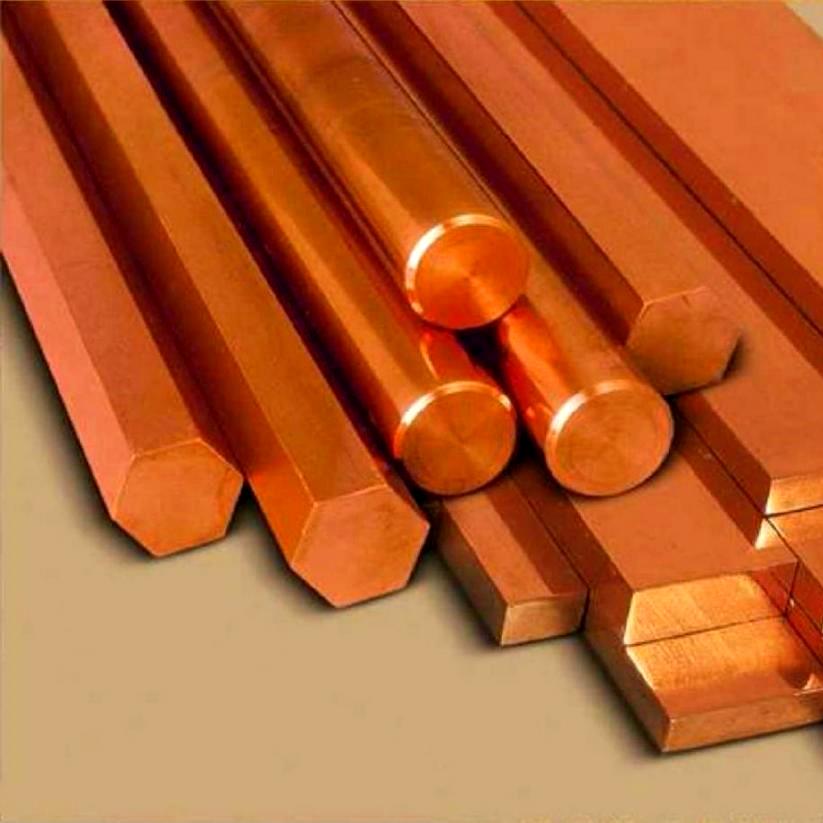
Copper prices, regarded as a primary indicator of changes in the global industrial economy, are witnessing unprecedented increases, trading as if they were high-tech stocks. Investors anticipate that the rising energy consumption in the field of artificial intelligence will lead to a substantial increase in copper demand, reflecting a shift in market thinking.
This new trend in copper prices emerges at a time when the world is undergoing radical transformations due to technological innovations. As reliance on artificial intelligence grows across various sectors, the demand for essential metals like copper, which is used in manufacturing electronic devices and renewable energy technologies, is also increasing.
Details of the Event
Recently, copper prices have seen a notable rise, surpassing the $4 per pound threshold, indicating growing interest from investors. This increase is not merely coincidental but is a direct result of market expectations regarding the future of artificial intelligence and its expanding applications across different fields.
This price surge signals that copper may become one of the most sought-after metals in the near future, with experts predicting that demand will outstrip supply, potentially leading to further price increases.
Background & Context
Historically, copper has been viewed as a barometer of global economic health. During periods of prosperity, the demand for copper rises significantly, while it declines during recessions. However, current technological shifts, particularly in artificial intelligence, may alter this traditional pattern.
In recent years, we have witnessed a substantial increase in the use of artificial intelligence across various industries, resulting in heightened demand for essential metals. Copper, being a fundamental element in the manufacturing of electrical devices, has become central to this increasing demand.
Impact & Consequences
The rise in copper prices could have significant repercussions for the global economy. With increasing demand, industries reliant on copper may be heavily impacted, potentially leading to higher production costs. These cost increases may be passed on to consumers, resulting in higher prices in the markets.
Moreover, these shifts may lead to increased investments in the mining sector, as investors seek to capitalize on the rising demand for copper. This could result in further advancements in mining technologies and production methods, contributing to improved efficiency and reduced environmental impact.
Regional Significance
For Arab countries, this trend may have multiple implications. Some nations, such as Chile and Peru, are among the largest copper producers in the world, meaning that rising prices could benefit their economies. Conversely, countries that rely on copper imports may face challenges amid rising prices.
Additionally, Arab nations aiming to develop their technology and innovation sectors may benefit from the increased demand for copper, as this could lead to enhanced investments in this sector.
In conclusion, the rise in copper prices is not merely a transient phenomenon but a sign of a significant transformation in the global economy. With the increasing reliance on artificial intelligence, copper is likely to remain at the forefront of the most sought-after metals in the future.