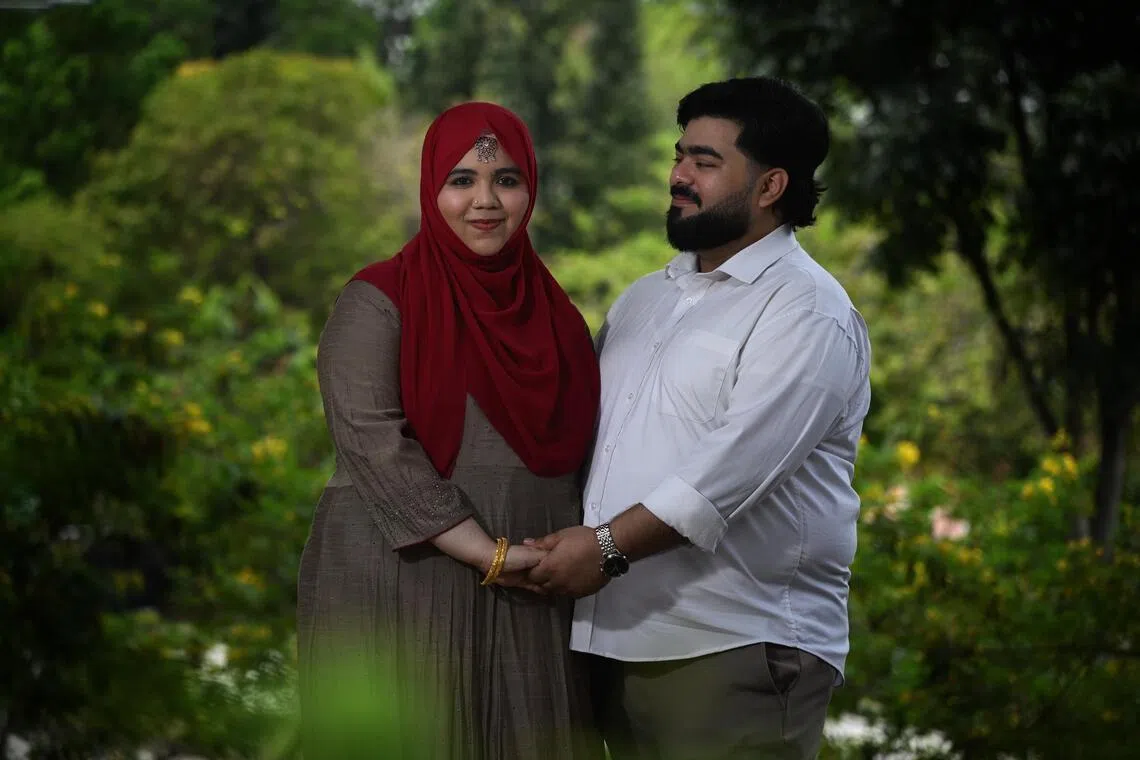
In a unique traditional marriage experience, a couple in Singapore became engaged just two weeks after their first meeting. This story highlights how relationships can develop quickly within the framework of arranged marriages, as both partners confirmed that their understanding of each other deepened over time.
This phenomenon is common in many cultures where marriages are arranged by families, reflecting long-standing social traditions. In the case of the Singaporean couple, the first meeting served as the beginning of a new relationship, allowing them to get to know each other's personalities better in a short period.
Details of the Event
Initially, the couple's first meeting was simple, taking place at a social event. However, things quickly began to evolve as they decided to engage shortly thereafter. This type of marriage reflects a Singaporean culture that embraces family traditions, where families play a significant role in selecting the right partner.
While discussing their experience, the couple noted that early acquaintance helped them understand each other better, contributing to strengthening their relationship. They also emphasized that open and honest communication had a significant impact on building trust between them.
Background & Context
Historically, arranged marriages have been an essential part of many cultures around the world, including Arab and Asian cultures. In many societies, arranged marriages are seen as a way to ensure compatibility of values and goals between families. In Singapore, where cultures are diverse, arranged marriages remain very popular, viewed as a means to strengthen family ties.
Traditional relationships in Singapore are characterized by a balance between tradition and modernity, as many young people seek to combine traditional values with the demands of modern life. This trend reflects the social and economic changes that the country has undergone in recent years.
Impact & Consequences
This story sheds light on how relationships evolve within the framework of arranged marriages, potentially encouraging more young people to be open to this idea. Positive experiences like this may lead to a shift in public perception towards arranged marriages, which are seen as a suitable option for many.
Moreover, these experiences can contribute to strengthening family and social ties, leading to a more cohesive community. In light of contemporary challenges, arranged marriages may play a role in providing emotional and social stability for individuals.
Regional Significance
In the Arab world, arranged marriages remain a part of the prevailing culture, with families playing a pivotal role in partner selection. This story can inspire many young Arabs facing challenges in romantic relationships amid social and economic pressures.
Understanding how relationships evolve in different contexts can help foster dialogue about arranged marriages in Arab communities, potentially leading to a reevaluation of some traditional concepts.
The experience of the couple in Singapore highlights how arranged relationships can be successful and fruitful, reflecting the importance of acquaintance and communication in building strong relationships. This story is not just a personal experience but also reflects cultural and social transformations that may influence other communities.