The President of the Israeli Supreme Court, Esther Hayut, has issued directives to the Israeli police to allow the organization of protests against a potential war on Iran. This decision comes at a time when regional tensions regarding Iran's nuclear program are escalating, which many Israeli officials view as a threat to national security.
Hayut emphasized that freedom of expression and the right to protest are fundamental rights that must be respected, even under sensitive political circumstances. This decision follows previous instances where protests were banned due to concerns over worsening security conditions, which sparked widespread criticism from human rights activists and citizens who see this as a violation of their rights.
Details of the Event
These directives come at a time when Israel is experiencing intense debates on how to address Iranian threats. Many analysts have pointed out that these protests may reflect a division within Israeli society regarding how to deal with Iran, with some advocating for dialogue and diplomacy, while others call for military action.
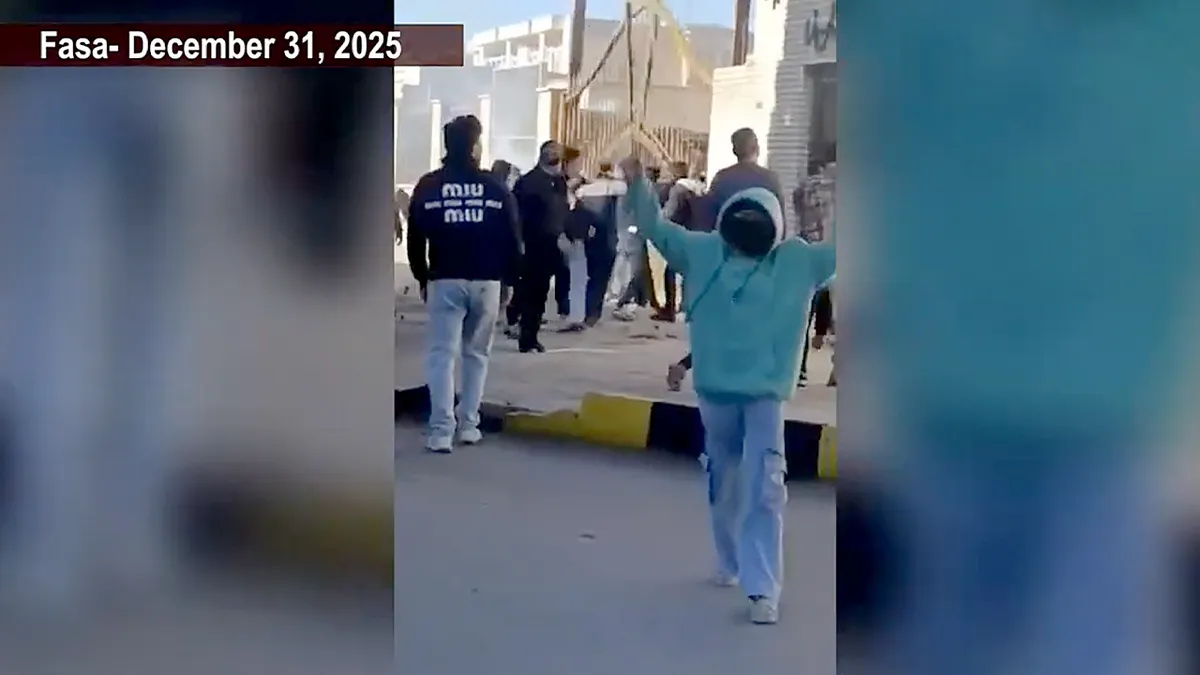
In recent weeks, several protests have been organized in various Israeli cities, where demonstrators gathered to express their opposition to any military action against Iran. These protests have seen broad participation from different age and political groups, indicating that the issue resonates with a wide segment of society.
Background & Context
Historically, relations between Israel and Iran have been tense, especially following the Iranian Revolution in 1979. Since then, Israel has viewed Iran as an existential threat, particularly with the advancement of Iran's nuclear program. This has led to several proxy wars in the region, with Israel supporting opposition groups against Iran in countries like Syria and Lebanon.
In recent years, fears have escalated that Iran may be close to developing a nuclear weapon, prompting Israel to adopt a more hardline stance. The past years have witnessed several military operations by Israel against Iranian targets in Syria, further heightening tensions between the two countries.
Impact & Consequences
This decision may have significant implications for how the Israeli government deals with Iranian threats in the future. Allowing protests could reflect the government's desire to show that it is listening to the voices of its citizens, but at the same time, it may increase pressure on it to take more cautious steps in dealing with Iran.
Moreover, these protests could lead to greater public awareness regarding the Iranian issue, potentially contributing to shaping Israeli public opinion on how to handle this threat. This may encourage further discussions about available options, whether diplomatic or military.
Regional Significance
The Israeli-Iranian relationship is a sensitive issue that directly affects security and stability in the Arab region. A potential war between Israel and Iran could escalate conflicts in the Middle East, impacting neighboring Arab countries.
The positions of Arab countries towards Iran vary, with some viewing Iran as a threat to regional security, while others seek to improve relations with it. Therefore, any escalation in tensions between Israel and Iran could lead to a reshaping of alliances in the region.
In conclusion, the Israeli Supreme Court's decision to allow protests against a war on Iran reflects the increasing tensions surrounding this issue and also indicates a division in Israeli public opinion on how to handle Iranian threats. It remains to be seen how these protests will influence Israeli policy in the future.