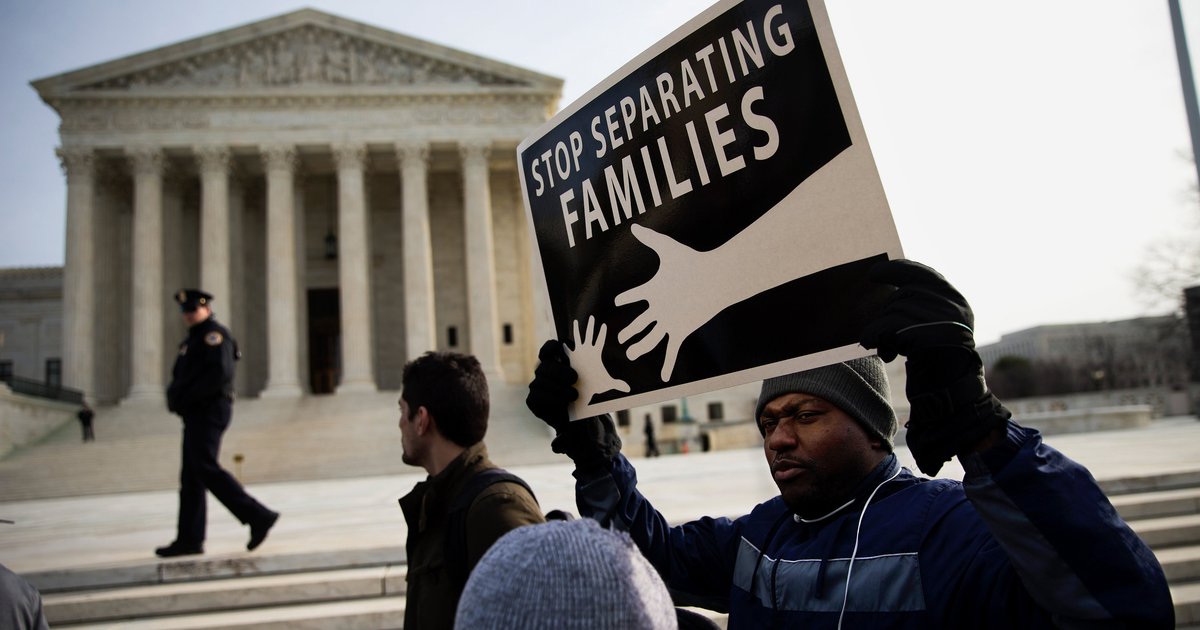
The U.S. Court of Appeals has rejected former President Donald Trump's policy that permitted the detention of immigrants without bail, paving the way for a potential review by the Supreme Court. This ruling emerges amid increasing challenges related to immigration policies in the United States, as many immigrants seek safe haven.
The decision, issued by the Ninth Circuit Court of Appeals, reflects a deep division over how to handle immigration issues. The court deemed that detention without bail violates immigrants' rights, raising questions about how the U.S. government manages immigration cases.
Details of the Ruling
The case involves immigrants who were detained without the possibility of being released on bail, which the court considered a violation of their rights. This ruling followed a series of legal challenges faced by the Trump administration during its tenure, which adopted strict policies towards immigrants.
This decision is seen as a turning point in how the U.S. judicial system addresses immigration matters, potentially significantly impacting thousands of immigrants seeking asylum or residency.
Background & Context
Historically, the United States has been viewed as a refuge for immigrants, but recent years have seen significant changes in immigration policies. During Trump's presidency, numerous policies aimed at reducing the number of immigrants were implemented, including the construction of a wall along the Mexican border.
It is noteworthy that many human rights organizations have criticized these policies, indicating that detention without bail can lead to severe human rights violations. This has intensified the debate over how immigration issues are handled in the United States.
Impact & Consequences
This ruling could have a substantial impact on how immigration cases are managed in the future. If the Supreme Court agrees to review the case, it could lead to radical changes in current policies, potentially providing immigrants with a better chance to secure their rights.
Furthermore, this decision may influence political discussions surrounding immigration in the United States, as pressure mounts on the government to adopt more humane policies towards immigrants.
Regional Significance
For the Arab region, this ruling may have indirect effects on Arab migrants seeking to reach the United States. With crises escalating in many Arab countries, the number of individuals seeking asylum or migration to countries like the United States is increasing.
Ultimately, this ruling highlights the importance of immigrant rights and reflects the ongoing challenges faced by U.S. policies in this area.