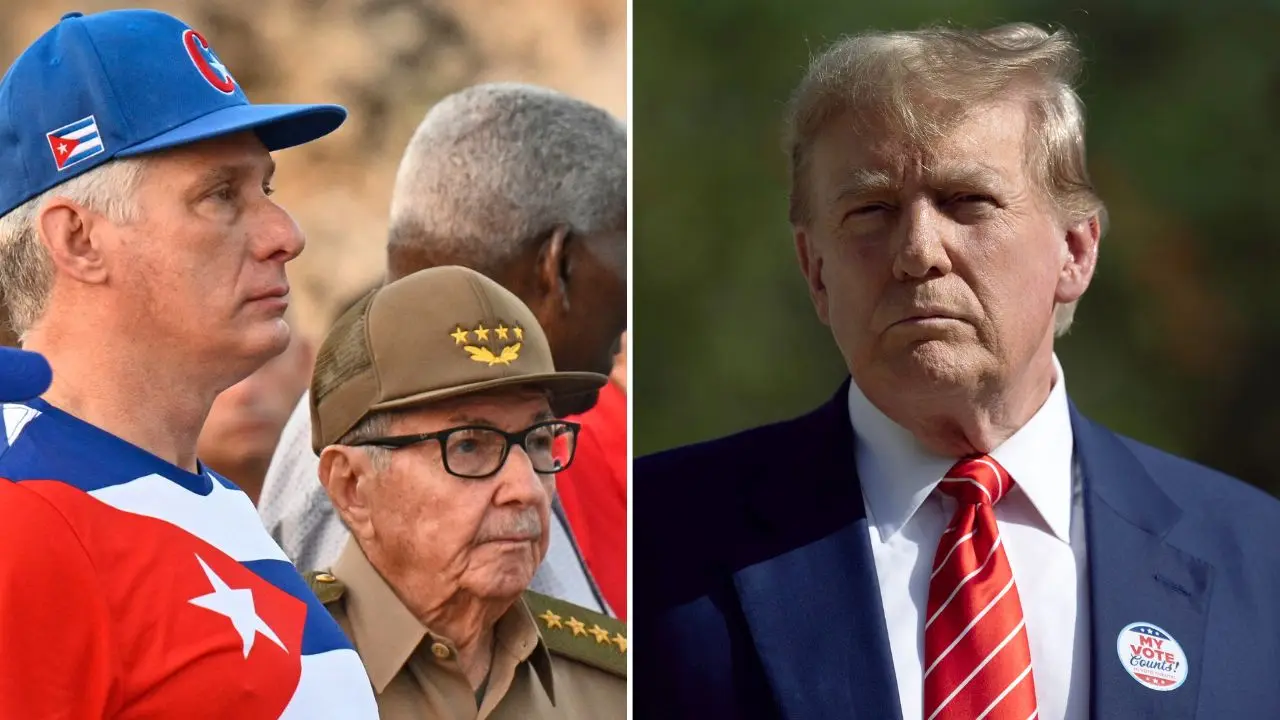
In a controversial move, the U.S. Senate has rejected an attempt to prevent President Donald Trump from taking military action against Cuba. This decision reflects the escalating tensions between the United States and Cuba and comes at a critical time when fears of conflict escalation in the region are rising.
The vote on this measure took place during a special session, where members showed a sharp divide on how to handle Cuba. Many lawmakers considered that any military intervention could exacerbate the situation in the region and increase tensions between the two countries.
Details of the Decision
This attempt to block Trump from taking military action followed a rise in threats from Cuba, with Washington accusing Havana of supporting armed groups in Latin America. Some legislators argued that these threats necessitate a firm response, while others believed that diplomatic solutions are the most effective.
In this context, some experts pointed out that this decision could open the door to further military escalation, potentially impacting U.S. relations with other Latin American countries. They warned that any military intervention could have serious repercussions for regional security.
Background & Context
Historically, relations between the United States and Cuba have been tense since the Cuban Revolution in 1959. These relations have seen many fluctuations, from the economic embargo imposed on Cuba to attempts at negotiations between the two sides. However, the current tensions reflect growing concerns that Cuba may play a larger role in regional conflicts.
Cuba is a strategic point in the Caribbean and has always been of interest to the United States. In recent years, Washington has increased its pressure on Havana, leading to heightened tensions between the two nations.
Impact & Consequences
This decision could have far-reaching effects on U.S. foreign policy. As tensions escalate, the United States may find itself compelled to take military action, which could worsen the situation in the region. Additionally, this decision may provoke strong reactions from other countries in Latin America, which may view it as a threat to their sovereignty.
Furthermore, this decision could impact trade relations between the United States and Cuba, potentially leading to new sanctions against Havana, which would increase the suffering of the Cuban people. At the same time, it may bolster popular support for the Cuban government in the face of external pressures.
Regional Significance
The implications of this decision extend beyond U.S.-Cuba relations, as it may influence the dynamics of power in the entire Latin American region. The potential for military action raises concerns about stability and security, not only for Cuba but for neighboring countries as well.
In conclusion, the Senate's rejection of the measure to block military action against Cuba underscores the complexities of U.S. foreign policy in the region and the potential for increased conflict, which could have dire consequences for all involved.