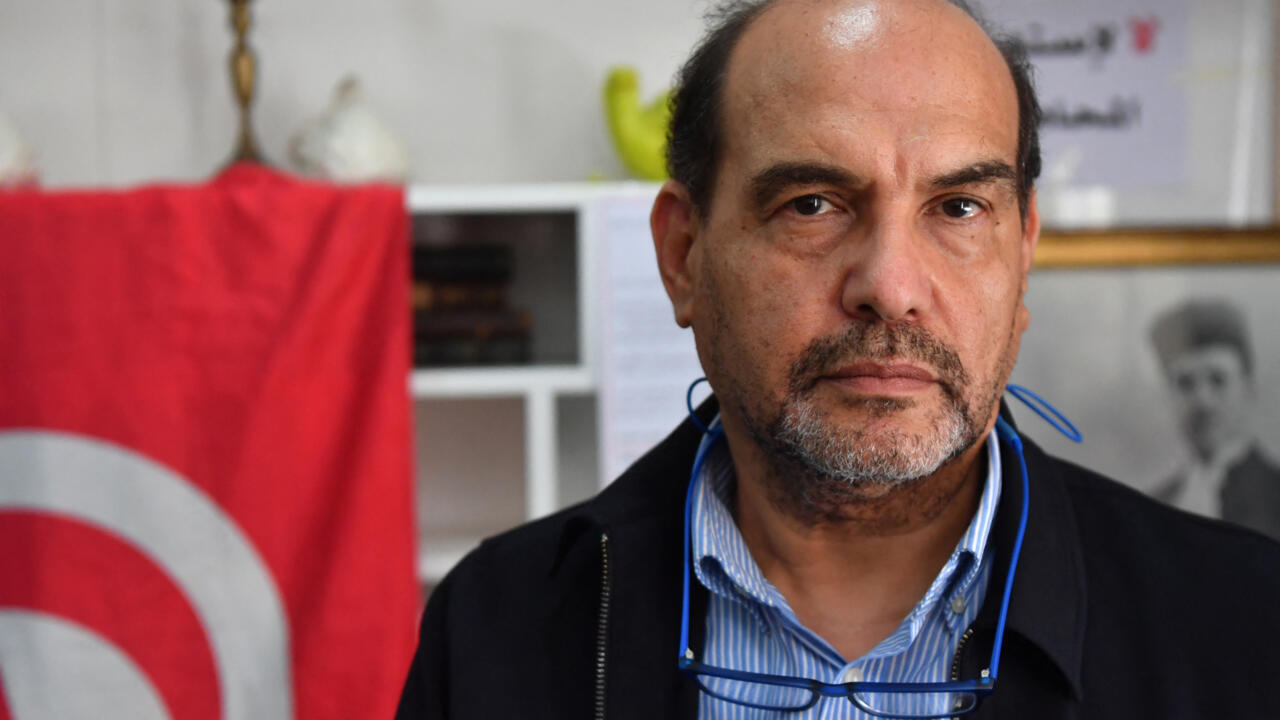
In a significant judicial decision, the primary court in Tunis has sentenced Chawki Tabib, the former president of the National Anti-Corruption Authority, to 10 years in prison for the charge of "holding and using forged documents." This ruling came after a hearing held on Thursday, where his lawyer Samir Dilou explained the details of the case.
Chawki Tabib, aged 62, is a well-known figure in legal circles, having previously served as the former president of the Bar Association in Tunisia. He led the National Anti-Corruption Authority from January 2016 until August 24, 2020, playing a prominent role in the fight against corruption in the country.
Details of the Case
The case dates back to a report sent by the National Anti-Corruption Authority to the former House of Representatives in 2020, which included data accusing the then Prime Minister Youssef Chahed of conflict of interest. Chahed had not divested shares he owned in a waste management company that received government contracts, according to Dilou and local media reports.
It is noteworthy that Chawki Tabib has been in custody since April 14 of last year and faces legal action in several cases related to "violations" in the management of the National Anti-Corruption Authority. He is also pursued on other charges including "embezzlement and money laundering" during his tenure at the authority.
Background & Context
The National Anti-Corruption Authority was established in Tunisia as part of the state's efforts to combat corruption and enhance transparency following the Tunisian revolution in 2011. The authority has played a vital role in uncovering corruption within government institutions, but it has faced significant challenges, especially after President Kais Saied decided to dissolve the authority in the summer of 2021.
This decision was part of a series of measures taken by Saied to consolidate his power, including suspending parliamentary activities and dismissing the then Prime Minister Hichem Mechichi. These steps have sparked widespread debate in Tunisia regarding the future of democracy and human rights.
Impact & Consequences
The sentencing of Chawki Tabib is considered an important step in the context of combating corruption in Tunisia, reflecting a judicial trend towards holding former officials accountable. However, this ruling raises questions about the independence of the judiciary in the country, especially given the current political circumstances.
This ruling could significantly impact public trust in judicial institutions, as citizens observe how the government will handle corruption cases in the future. It may also affect the relationship between the current government and civil society, which is calling for greater transparency and accountability.
Regional Significance
This ruling represents part of a broader trend in the Arab region towards holding corrupt individuals accountable and enhancing transparency. In many Arab countries, corruption remains a significant challenge to sustainable development and political stability.
Tunisia is seen as a model in this context, striving to build strong institutions capable of tackling corruption. Tunisia's success in this area may encourage other countries in the region to take similar steps.
In conclusion, the ruling against Chawki Tabib marks a milestone in Tunisia's journey towards achieving justice and accountability, reflecting the challenges the country faces in its pursuit of a robust democratic system.